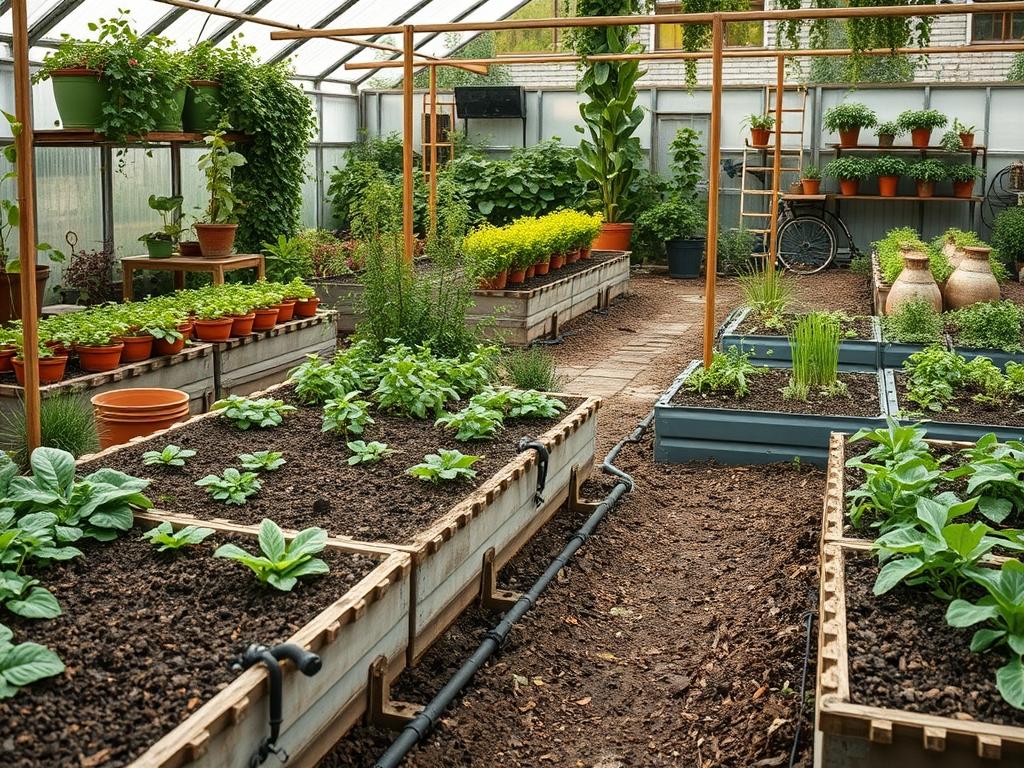
The transformation of a residential exterior begins long before the first flower is planted. It starts with the structural skeleton of the garden, the defined boundaries that separate wild growth from curated design. Building woven edges, a technique known historically as wattle, offers a sophisticated and organic solution for homeowners looking to elevate their curb appeal while maintaining ecological integrity. Unlike rigid plastic or concrete borders, woven timber boundaries provide a soft, textural transition that harmonizes with the surrounding environment. This method is particularly effective in regions where modern materials might look stark or out of place. By utilizing natural saplings and sturdy stakes, a landscape architect can create undulating lines that guide the eye through the property, defining functional zones such as seating areas, vegetable plots, or ornamental borders. Beyond the aesthetic benefits, these structures serve a vital role in soil retention and drainage management, ensuring that the microclimate of the garden bed remains stable throughout the changing seasons.
Landscape Design Principles
When integrating woven boundaries into a professional landscape, the first consideration is the balance between symmetry and organic flow. A well designed garden uses Building Woven Edges to establish clear focal points, often leading the visitor toward a specific destination like a water feature or a stone bench. To achieve this, we look at elevation layers. A flat garden often lacks visual interest; however, by creating raised beds with woven wattle, we introduce height. These layers allow for the placement of different species that benefit from varying drainage levels. The bottom-most layer might house moisture loving plants, while the elevated sections, backfilled with high quality topsoil, support Mediterranean herbs or species that require rapid drainage.
Irrigation planning is the next critical pillar. Before any weaving begins, the layout for drip lines or subterranean irrigation must be finalized. Because woven edges are semi-permeable, they allow for a degree of lateral water movement, which helps prevent the boggy conditions often found behind solid timber retaining walls. Walkways should also be mapped in tandem with the edges. A path of crushed gravel or river stone looks particularly striking when it sits against the dark, textured wood of a newly woven boundary. The goal is to create a visual balance where the weight of the hardscaping, such as flagstone or pavers, is offset by the lightness and airiness of the woven wood. This contrast is what defines high end landscape architecture.
Plant and Material Selection
The success of any garden bed depends on matching the plant palette to the physical structure and the local environment. When you are building woven edges, you are creating a container that mimics a natural forest floor or meadow edge. The following table provides a selection of species that thrive in these structured yet naturalistic environments.
| Plant Type | Sun Exposure | Soil Needs | Water Demand | Growth Speed | Maintenance Level |
| :— | :— | :— | :— | :— | :— |
| English Lavender | Full Sun | Well Drained | Low | Moderate | Prune Annually |
| Dwarf Boxwood | Full to Part Sun | Loamy/Rich | Moderate | Slow | High Shaping |
| Japanese Forest Grass | Part Shadow | Moist/Humus | Moderate/High | Slow | Low |
| Blue Star Juniper | Full Sun | Sandy/Rocky | Low | Slow | Very Low |
| Coral Bells (Heuchera) | Part Sun/Shade | Rich/Well Drained | Moderate | Fast | Low |
For the structural materials, the best results come from using willow, hazel, or dogwood whips. These woods are flexible enough to bend without snapping but durable enough to withstand several years of exposure. The vertical uprights, or stakes, should be made of a harder wood like oak or sweet chestnut, which decays more slowly when in direct contact with the ground.
Implementation Strategy
The process of building woven edges begins with site preparation. First, the area must be cleared of existing sod and weeds. Use a spade or a power edger to cut a clean trench along the desired line of the bed. This trench serves as the foundation. Grading is the next step; the soil behind the line should be slightly sloped to ensure that water moves away from the foundation of the home and toward the garden beds or a dedicated French drain.
Once the ground is prepared, drive the stakes into the soil at intervals of approximately 12 to 18 inches. Each stake should be buried at least 8 to 10 inches deep to provide the necessary leverage against the weight of the soil. When the uprights are secure, beginning the weaving process is a matter of patience and precision. Take a long, flexible willow whip and weave it in an over-under pattern through the stakes. The next whip should follow the opposite pattern. As you progress, use a rubber mallet to gently tap the layers down, ensuring there are no large gaps.
To increase the longevity of the structure, line the interior side of the woven edge with landscape fabric before adding your soil. This prevents fine particulates from washing through the weave during heavy rain while still allowing the wood to breathe. Finally, fill the bed with a mix of organic compost and topsoil, leaving approximately 2 inches at the top for a thick layer of cedar mulch or pine bark. This finish not only looks professional but also pins down the moisture and regulates soil temperature.
Common Landscaping Failures
One of the most frequent mistakes witnessed in professional consultations is the neglect of drainage requirements. While building woven edges allows for more airflow than solid brick, the area behind the weave can still become compacted. This compaction leads to hydrostatic pressure, which can bow the stakes outward over time. Always ensure the backfill soil contains enough perlite or coarse sand to stay friable.
Root overcrowding is another issue that surfaces three to five years after installation. Homeowners often plant for the size the garden is today, rather than the size it will be at maturity. If a shrub is placed too close to the woven edge, its expanding root mass can physically push the structure apart. Proper spacing, as dictated by the specific requirements of the botanical species, is mandatory. Furthermore, using untreated or soft woods for the vertical stakes often leads to premature failure. Without the use of rot resistant wood like cedar or oak, the foundation of your edge will crumble long before the woven horizontal whips do.
Seasonal Maintenance
A proactive maintenance schedule ensures that the garden remains a highlight of the property throughout the year. In the spring, the focus should be on structural integrity and nutrient replenishment. Check the stakes for any signs of heaving caused by winter frost. If any whips have snapped during the cold months, they can be easily replaced by sliding new pieces into the existing weave. This is also the time to apply a fresh 2 inch layer of mulch and a balanced, slow release fertilizer to the base of your plants.
Summer maintenance is largely centered on water management. During high heat, even drought tolerant species like Lavender or Juniper may require supplemental irrigation. Monitor the woven edges for excessive drying; if the wood becomes too brittle, a light misting can help maintain its flexibility. Autumn is the season for pruning and cleanup. Remove dead foliage from Heuchera and cut back any perennials that have finished their bloom cycle. In the winter, the architectural beauty of the woven edges is most apparent. Clear away heavy snow that might weigh down the top layers of the wattle, and check the drainage outlets to ensure they are not blocked by fallen leaves or ice.
Professional Landscaping FAQ
How long do woven edges typically last?
Depending on the wood species and local climate, a well constructed woven edge usually lasts between five and eight years. Using rot resistant stakes and lining the interior with fabric can extend this lifespan significantly by reducing direct soil contact.
Can I build these edges on a slope?
Yes, building woven edges is an excellent solution for mild to moderate slopes. They act as mini retaining walls that slow down water runoff and prevent erosion. For steep inclines, ensure the stakes are driven deeper into the ground.
Which wood is best for weaving?
Willow and hazel are the gold standards due to their incredible flexibility and straight growth. If these are unavailable, any flexible, non toxic sapling like birch or dogwood can be used effectively for the horizontal weavers.
Do I need any specialized tools?
You will need a heavy mallet, a pair of sharp bypass loppers, a spade, and a level. A string line is also helpful for ensuring that your stakes are driven to a consistent height across the length of the bed.
How do I prevent weeds from growing through the weave?
The best defense is a heavy duty landscape fabric liner on the interior and a thick layer of mulch on the exterior base. Regular hand weeding during the spring will prevent invasive roots from becoming established within the woven structure.