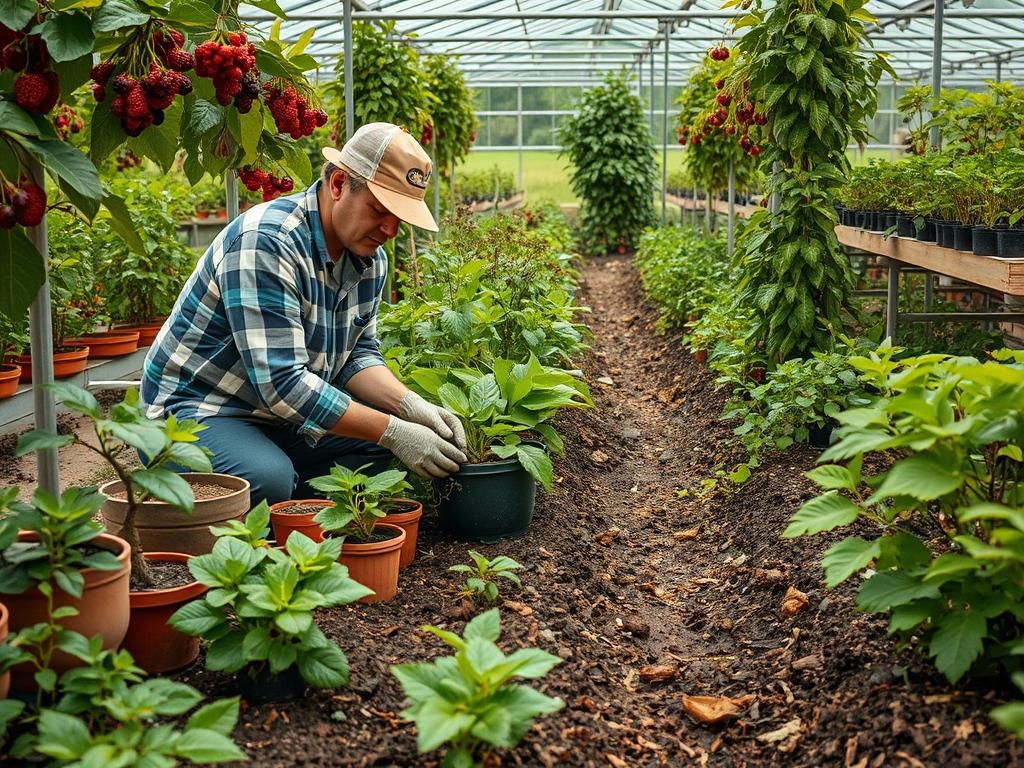
Incorporating edible elements into a professional landscape design transforms a standard backyard into a multi-functional ecosystem that provides both aesthetic beauty and high-quality yields. For the modern homeowner, the integration of fruit-bearing shrubs and trees is no longer just about utility; it is about “foodscaping.” This practice requires a sophisticated understanding of microclimates, soil horizons, and the botanical lifecycle of local flora. When we track the best window for native berry harvesting, we are essentially looking at the intersection of landscape architecture and seasonal peak performance. A well-planned garden ensures that when the harvest window arrives, the plants are accessible, the soil remains uncompacted, and the curb appeal of the property is actually enhanced by the ripening fruit rather than diminished by messy drop.
The primary landscape challenge lies in balancing the aggressive growth habits of many native berries with the clean lines required for high-end residential design. Without proper planning, a Serviceberry tree or a patch of Black Raspberries can quickly become a tangled thicket that traps debris and invites pests. By focusing on outdoor functionality, we treat the berry harvest as a design objective. This means planning for the weight of the fruit, the accessibility of the interior branches, and the transition of the plant from its flowering stage to its fruiting stage. A professional consultant views the harvest duration as a peak aesthetic moment where the vibrant reds, deep purples, and blues of the berries act as natural pigments against the greenery of the surrounding softscape.
Landscape Design Principles
Successful native berry integration begins with the principle of elevation layers. In a professional landscape, we categorize plants into the canopy, understory, and groundcover layers. Large shrubs like Elderberry function as excellent focal points or natural privacy screens when placed along the perimeter of a property. By utilizing symmetry in the placement of these shrubs, we can frame a view or define the boundaries of an outdoor living room. The goal is to ensure the berry-producing plants do not look like an afterthought but rather a deliberate structural component of the site plan.
Walkways are perhaps the most overlooked element of the harvest-ready landscape. To prevent soil compaction around the root zones during the peak native berry harvesting window, we design dedicated paths using Crushed Granite or Flagstone. These walkways allow the homeowner to reach the center of a planting bed without stepping on the delicate network of feeder roots. Furthermore, irrigation planning must be customized for these zones. While many native species are drought-tolerant once established, supplemental water during the fruit-set stage is critical for berry size and sugar content. We often specify Drip Irrigation Lines buried under two to three inches of Organic Cedar Mulch to maintain consistent moisture levels without promoting fungal growth on the leaves.
Visual balance is achieved by pairing the coarse texture of berry foliage with the fine texture of ornamental grasses or the smooth surfaces of hardscape elements like Retaining Walls. When used on a slope, Jersey Blueberries or Lingonberries can be planted behind a stone wall to bring the fruit closer to eye level, making the harvest physically easier and turning the ripening fruit into a “living art” feature. This elevation also improves drainage, which is a vital requirement for the health of many native berry species.
Plant and Material Selection
| Plant Type | Sun Exposure | Soil Needs | Water Demand | Growth Speed | Maintenance Level |
| :— | :— | :— | :— | :— | :— |
| Serviceberry | Full Sun to Partial Shade | Well-drained, Loamy | Moderate | Medium | Low |
| Elderberry | Full Sun | Rich, Moist, Acidic | High | Fast | Moderate |
| Black Raspberry | Full Sun | Well-drained, Sandy | Moderate | Very Fast | High (Pruning) |
| Highbush Blueberry| Full Sun | Sandy, Acidic (pH 4.5-5.2) | Moderate | Medium | Moderate |
| Chokecherry | Full Sun to Partial Shade | Adaptable, Well-drained | Low | Fast | Low |
| Arborvitae (Screening)| Full Sun | Moist, Well-drained | Moderate | Medium | Low |
Implementation Strategy
The first step in garden layout planning is professional grading. Proper site grading ensures that water moves away from the foundation of the home while settling in areas where moisture-loving plants like Elderberry are located. We use a Transit Level to establish the slope, ensuring a minimum two percent grade for functional drainage. Once the skeleton of the landscape is established, we mark the edges of the planting beds using Steel Edging or Tumbled Paving Stones. This creates a crisp line that separates the manicured turf from the wilder aesthetic of the native berry patches.
Next, we address soil preparation. For a successful harvest, the soil must be amended based on a professional laboratory soil test. If we are planting Blueberries, we may need to incorporate Elemental Sulfur to lower the pH. The plants are then spaced according to their mature width to avoid the “instant landscape” mistake where plants look good on day one but are choked out within three years. After planting, we apply a 3-inch layer of Mulch to suppress weeds and regulate soil temperature.
Hardscaping elements should be installed before the plants go into the ground. Whether it is a Pergola for shade or a Natural Stone Bench for a resting spot during the harvest, these structures provide the “bones” of the garden. We also plan for bird deterrents. In a professional setting, we might design custom Steel Frames that allow for nearly invisible netting to be draped over the plants during the three-week window when the berries are ripening, protecting the crop without ruining the backyard’s visual appeal.
Common Landscaping Failures
The most frequent error in edible landscaping is improper drainage. Many homeowners assume that because a plant produces juicy fruit, it wants to sit in standing water. In reality, saturated soil leads to root rot and the eventual death of the shrub. Another common failure is improper spacing. When Black Raspberries are planted too closely together, airflow is restricted, leading to powdery mildew and other fungal pathogens that can destroy an entire season’s yield.
Soil compaction is a silent killer in the garden. During the construction of a landscape, heavy machinery can crush the pore spaces in the soil, making it impossible for roots to penetrate or for oxygen to reach the underground biology. We emphasize the use of Aeration Tools and the strict designation of “no-walk zones” within the planting beds. Finally, irrigation inefficiencies often ruin the harvest. Overhead sprinklers that wet the foliage instead of the root zone invite disease. We always recommend Pressure-Compensating Drip Emitters to deliver water exactly where it is needed.
Seasonal Maintenance
Spring is the season of preparation. This is when we perform structural pruning on late-summer fruiting species. Using Bypass Pruners, we remove dead, damaged, or diseased wood and thin out the center of the shrubs to allow light to reach the interior branches. This is also the time to apply a slow-release Organic Fertilizer and refresh the Mulch layers.
Summer is the primary window for native berry harvesting. Maintenance during this period focuses on hydration and monitoring. We check the soil moisture at a depth of 4 inches to ensure the plants aren’t under drought stress. As the berries ripen, we keep the area clean of fallen fruit to avoid attracting wasps or rodents.
Autumn is about transition. Once the harvest is complete, we provide a final deep watering before the ground freezes. For some species, this is the time for “cane management,” where old stalks that have already fruited are cut back to the ground to make room for new growth next year. Winter is the dormant phase where we focus on protecting the plants from heavy snow loads and deer browsing using Burlap Wraps or Wire Cages where necessary.
Professional Landscaping FAQ
How do I know when the harvest window has arrived?
The window usually begins when the fruit transitions from green to its final deep pigment. For most native berries, the fruit should be soft to the touch and pull away from the stem with zero resistance.
Can I grow berries in a small urban backyard?
Yes, by using vertical transition techniques. Training Native Blackberries on a Cedar Trellis or planting Lowbush Blueberries in large Glazed Ceramic Pots allows for a significant harvest even in limited square footage while maintaining a modern aesthetic.
Why are my berries small and sour?
This is typically a result of poor irrigation or a lack of sunlight. Most berry species require at least 6 to 8 hours of direct sun and consistent water during the final ripening stage to develop sugars.
Do I need two different plants for pollination?
While many native berries are self-fertile, planting two different varieties of the same species, such as two types of Blueberries, often results in a much larger yield and a longer harvesting window for the homeowner.
What is the best mulch for berry-producing shrubs?
We recommend an acidic mulch like Pine Bark Nuggets or Pine Needles for acid-loving berries. For other species, a high-quality Hardwood Shredded Mulch works well to maintain moisture and suppress weed competition effectively.