
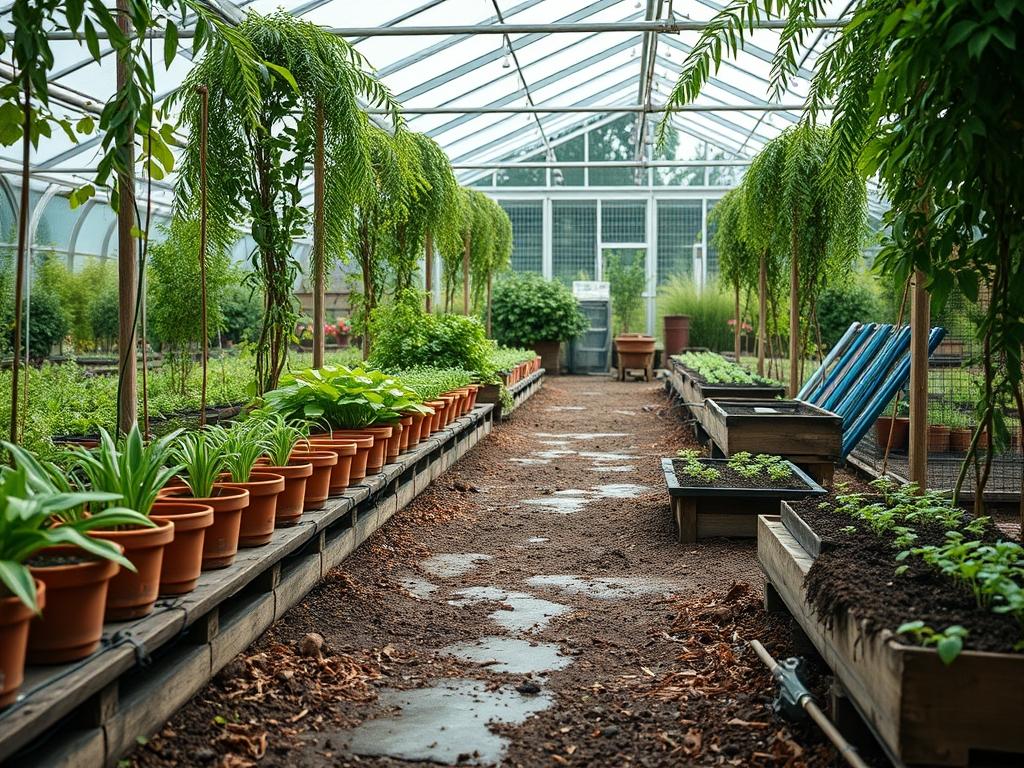
Landscaping is an exercise in time management as much as it is in spatial design. When we approach Building Willow Arbors, we are not just installing a static ornament; we are planting a functional, evolving architecture that will shift in texture and density throughout the years. Unlike timber or wrought iron structures that begin to degrade the moment they are placed in the soil, a living willow arbor strengthens over time. This architectural choice addresses several landscaping challenges, including the need for sustainable shade, natural privacy screening, and the desire for a focal point that harmonizes with a wilder, more organic aesthetic. From a consultant perspective, the success of these structures depends heavily on understanding the local climate, the hydrological profile of the site, and the long-term maintenance commitment required to keep the living walls from becoming an unruly thicket.
The primary goal of a living arbor is to create an outdoor room that feels both secluded and breathable. In professional backyard design, we often use these structures to mask unsightly views or to provide a transition point between a formal lawn and a more naturalized woodland area. To maximize curb appeal, the arbor should be sited where it can draw the eye toward a specific destination, such as a water feature or a tucked-away seating area. Because willows are deciduous, the architect must also consider how the skeletal form will appear during the winter months. A well-constructed willow frame provides a striking geometric pattern even when dormant, provided the original weaving was performed with precision and structural integrity.
Landscape Design Principles
Successful garden planning relies on fundamental principles like symmetry, focal points, and elevation layers. When Building Willow Arbors, the structure often serves as the most significant vertical element in a flat landscape. To achieve visual balance, it is essential to consider the golden ratio. An arbor that is too narrow for its height will feel unstable, while one that is too squat will lack the “cathedral” effect that makes living willow so desirable. We typically recommend an apex height of 8 feet to 10 feet for a standard walkway, allowing for at least 2 feet of growth to be woven back into the structure without obstructing the path.
Elevation layers are equally important. The willow arbor provides the canopy, but it must be supported by understory planting to ground the structure. Using hostas or ferns at the base can hide the initial structural ties and create a lush, tiered look. Furthermore, irrigation planning must be integrated into the design phase. Willows are famously thirsty; therefore, the arbor should be located in a low-lying area of the yard where natural runoff accumulates, or a dedicated drip irrigation line should be installed during the initial grading process. This ensures the rods take root quickly and do not suffer from the mid-summer drought stress that often stunts new growth.
Symmetry can be achieved by using a template or a temporary wooden jig during the planting phase. This ensures that the two sides of the arch meet perfectly at the center point. However, for a more “cottage garden” or “English countryside” feel, an asymmetrical design where one side leans more heavily over a bench can create a charming, informal atmosphere. Whatever the aesthetic choice, the transition from the arbor to the surrounding walkways should be seamless. We recommend using natural stone pavers or crushed slate to define the path under the arbor, as these materials handle the increased moisture requirements of the willow better than traditional turf.
Plant and Material Selection
Choosing the correct variety of willow, or Salix, determines the longevity and flexibility of your arbor. Below is a professional selection guide for the most common species used in living structures.
| Plant Type | Sun Exposure | Soil Needs | Water Demand | Growth Speed | Maintenance Level |
| :— | :— | :— | :— | :— | :— |
| Salix viminalis (Basket Willow) | Full Sun | Heavy Clay/Moist Loam | Very High | Rapid (up to 8ft/year) | High |
| Salix purpurea (Purple Willow) | Full Sun to Part Shade | Well-Drained to Moist | Moderate | Fast | Moderate |
| Salix alba ‘Britzensis’ (Scarlet Willow) | Full Sun | Deep, Rich Soil | High | Moderate | High |
| Salix triandra (Almond Willow) | Part Shade to Full Sun | Loamy/Wet | High | Moderate | Low |
| Salix x sepulcralis (Weeping Willow) | Full Sun | Moist/Boggy | Very High | Aggressive | Professional Only |
In addition to the biological materials, you will need specific tools to ensure a professional finish. Long-handled lopping shears are necessary for clean cuts that prevent disease. For the structural binding, use natural jute twine or biodegradable paper-covered wire, as synthetic ties can girdle the growing stems and eventually kill the plant. To help retain moisture during the first year of growth, a 3-inch layer of organic cedar mulch or pine bark nuggets should be spread around the base of the rods.
Implementation Strategy
The process for Building Willow Arbors begins with meticulous site preparation. First, assess the grading of your garden. You want a site that is level or slightly recessed to help with water retention. Use landscape chalk to mark out two parallel lines for your planting trenches, typically spaced 4 feet to 6 feet apart depending on the desired width of your walk. Dig a trench at least 15 inches deep and 10 inches wide. This depth is crucial because willow rods need a significant amount of subterranean contact to establish a strong root system capable of supporting the vertical weight of the arch.
Before planting, enrich the soil with a mixture of compost-enriched loam and a small amount of slow-release organic fertilizer. Insert the 10-foot willow rods (also known as withies) into the trench at an angle of roughly 60 degrees. By planting them in a crisscross diamond pattern, you create a self-supporting lattice. Each rod should be spaced approximately 12 inches apart along the trench line. Once the rods are positioned, backfill the trench and tamp the soil down firmly to eliminate air pockets.
The next step is the weaving process. Bend the tops of the rods toward each other to form the arch. Secure the overlapping points with natural twine at the center. As you weave together the lateral branches, ensure you are not tying them too tightly; the stems need room to expand as they thicken. Once the skeleton is complete, install your edging material, such as retaining wall blocks or metal landscape edging, to keep the mulch contained and prevent lawn grass from encroaching on the willow’s root zone.
Common Landscaping Failures
One of the most frequent mistakes in living architecture is poor site selection relative to underground infrastructure. Willows have aggressive, moisture-seeking root systems that can easily penetrate cracked sewer lines or septic drain fields. Always perform a utility sweep before digging. Another common failure is root overcrowding. If rods are planted too closely together, they will compete for nutrients and water, leading to “die-back” in the center of the arbor. Maintaining that 12-inch spacing is the best way to ensure each plant has enough room to thrive.
Improper drainage can also lead to failure. While willows love water, they cannot survive in anaerobic, stagnant “black muck” where no oxygen reaches the roots. If your site has standing water that does not drain within 24 hours, consider installing a French drain or a perforated drainage pipe bedded in 3/4-inch crushed stone nearby to keep the water moving. Finally, many homeowners fail to account for “wind sail.” A fully leafed-out willow arbor catches a significant amount of wind; if the rods were not planted deeply enough or if the weaving is loose, a summer storm can topple the entire structure.
Seasonal Maintenance
Seasonal management is what separates a professional landscape from a backyard project. In the Spring, the focus is on “weaving in.” Take the new, flexible growth from the previous year and tuck it back into the existing lattice. This increases the density of the arbor and reinforces the structural joints. This is also the time to apply a fresh 2-inch layer of compost to the base.
Summer maintenance is dominated by irrigation. During heatwaves, a willow arbor may require deep watering every other day. Use a soaker hose coiled around the base to provide slow, deep hydration. If you notice yellowing leaves at the bottom of the structure, it is likely a sign of drought stress. Autumn is the time for structural audits. Check all twine ties to ensure they are not cutting into the bark. If the structure has become self-supporting through a process called inosculation (where the branches naturally graft together), you can begin to remove the original ties.
Winter is the most critical time for heavy pruning. Use your hand pruners to remove any dead or diseased wood. You should also “window” the arbor by thinning out excessive internal growth to allow for better airflow. This reduces the risk of fungal infections like willow scab or rust, which thrive in humid, overcrowded conditions. By keeping the center of the arch clear, you also maintain the clean, architectural lines that make the structure a winter interest piece.
Professional Landscaping FAQ
How long does it take for a willow arbor to become self-supporting?
Typically, a willow arbor becomes structurally sound within two to three growing seasons. By the third year, the base rods have thickened significantly, and many of the contact points will have begun to graft together naturally through inosculation.
Can I build a willow arbor in a dry climate?
Yes, but it requires a dedicated drip irrigation system and heavy mulching. In arid regions, you must select more drought-tolerant varieties like Salix purpurea and ensure the roots are shaded by other plantings to prevent moisture loss.
What is the best time of year to plant a living arbor?
The ideal window is late winter or early spring, while the willow rods are still dormant. This allows the rods to focus energy on root development before the leaves emerge and begin demanding water during the heat of summer.
Will the willow roots damage my nearby patio or walkway?
If you use permeable pavers or a sand-based foundation, the roots may shift the stones over time. It is best to keep living willow structures at least 10 feet away from permanent concrete foundations and underground utility lines.
How often do I need to prune the new growth?
For a manicured look, light pruning can be done throughout the summer. However, the primary structural pruning and weaving should happen once a year during the dormant winter months to maintain the shape and health of the living architecture.