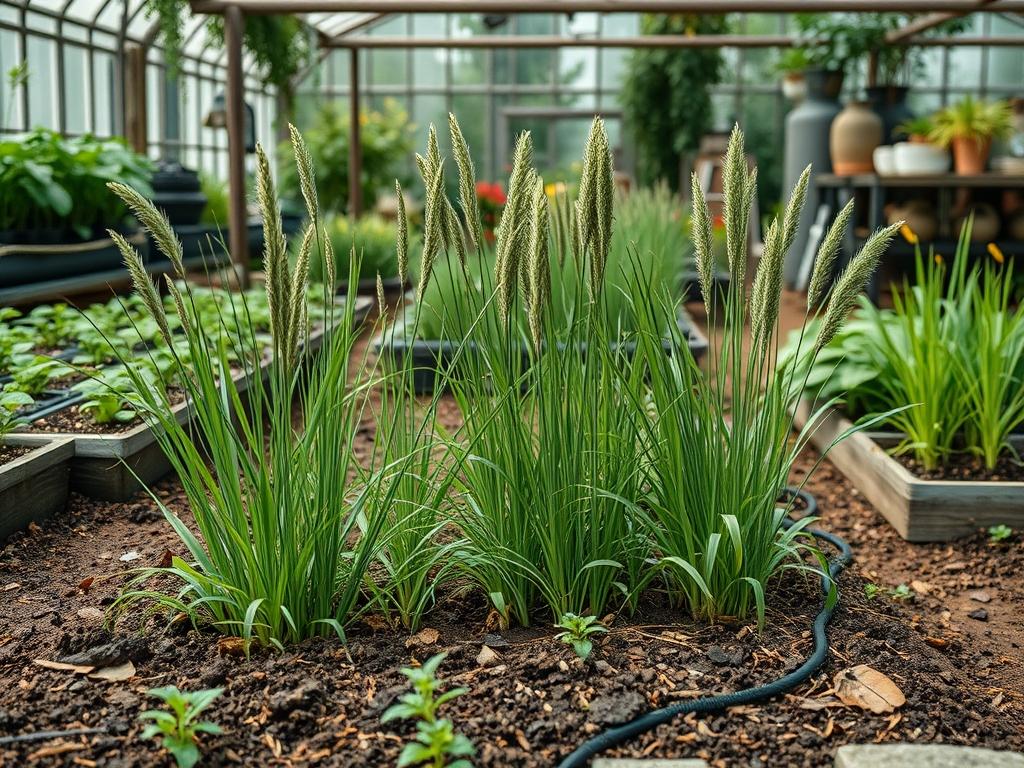
Designing with native grasses requires a fundamental shift in how we approach the landscape. While many property owners view turf as the primary ground cover, professional landscape architects increasingly turn to native grasses to provide texture, movement, and ecological value. Starting Native Grass Seedlings indoors provides a distinct advantage by bypassing the erratic germination rates often found in direct-seeding methods. This controlled start allows for a uniform aesthetic when the plants are finally transitioned into the designed environment. Successful integration requires a harmonious balance between the wild nature of these species and the structured needs of a residential or commercial property. By beginning the process in a controlled setting, you ensure that every individual plant possesses a robust root system capable of thriving in its permanent outdoor location.
Landscape Design Principles
Effective landscape design relies on the intentional placement of elements to create a sense of cohesion and purpose. When incorporating native grasses, symmetry and focal points serve as the primary anchors. You might use tall, upright species like Big Bluestem to create a vertical focal point at the end of a sightline. Symmetrical groupings of grasses on either side of a natural stone walkway can frame a view or lead the eye toward a specific architectural feature of the home. These plants are not merely fillers; they are structural components that provide rhythm and repetition throughout the site.
Elevation layers are equally critical in modern garden planning. We categorize these layers into the foreground, mid-ground, and background to create depth. Low-growing species such as Blue Grama serve as a soft edge for retaining walls, while taller varieties provide a backdrop for flowering perennials. This layering also aids in irrigation planning. By grouping plants with similar water requirements together, a practice known as hydrozoning, you can design an irrigation system that minimizes waste. Furthermore, the visual balance is achieved by contrasting the fine texture of grass blades with the solid, static nature of hardscaping materials like pavers or boulders.
Plant and Material Selection
Selecting the right species involves analyzing the microclimates of your specific site. The following table provides a professional baseline for several high-performance native grasses.
| Plant Type | Sun Exposure | Soil Needs | Water Demand | Growth Speed | Maintenance Level |
| :— | :— | :— | :— | :— | :— |
| Little Bluestem | Full Sun | Well-drained | Low | Moderate | Low |
| Prairie Dropseed | Full Sun | Dry to Medium | Low | Slow | Very Low |
| Switchgrass | Full to Part Sun | Diverse | Moderate | Fast | Moderate |
| Indiangrass | Full Sun | Deep, Rich | Moderate | Fast | Moderate |
| Sideoats Grama | Full Sun | Rocky, Sandy | Low | Moderate | Low |
For indoor starts, you will require high-quality seedling trays, a soil-less germination mix, and adjustable grow lights. Because native grasses often have deep primary roots, using air-pruning pots or deep plug trays is highly recommended. These tools prevent the roots from circling the bottom of the container, which can lead to stunted growth once they are installed in the landscape.
Implementation Strategy
The transition from indoor trays to the backyard begins with meticulous site preparation. First, assess the grading of the area to ensure that water moves away from the home foundation and toward designated drainage zones. If the soil is heavily compacted, use a broadfork or tiller to incorporate organic matter, though you must be careful not to over-amend, as many native grasses prefer leaner soils. Once the ground is prepared, establish your edging. A deep steel edge or a stone border creates a clean line between the wilder grass aesthetic and maintained lawn or walkways.
When you are ready to plant, space the Native Grass Seedlings according to their mature width to avoid overcrowding. For most medium-sized grasses, this means a spacing of 18 to 24 inches on center. Dig a hole twice the width of the plug and exactly the same depth. After placing the seedling, backfill with native soil and firm it gently with your hands to remove air pockets. Immediately apply a 3-inch mulch depth using shredded hardwood mulch or pine straw. This layer suppresses weeds while the young grasses establish their root systems. If your design includes retaining walls or dry creek beds, ensure the grasses are positioned at the top of these features to accentuate the elevation changes.
Common Landscaping Failures
One of the most frequent mistakes in native grass installation is improper drainage management. Even drought-tolerant species cannot survive in “clutter” or standing water if the soil lacks porosity. If your site has high clay content, installing a French drain or a dry well may be necessary before planting begins. Another common failure is root overcrowding. When seedlings are left in their indoor trays too long, they become root-bound. These plants struggle to anchor themselves in the landscape and often fail during the first heatwave of the summer.
Irrigation inefficiencies also plague many new installations. While native grasses are hardy, they require consistent moisture during their first growing season. However, over-irrigation can lead to “flopping,” where the grass stems become too weak to stand upright. Soil compaction is the final major hurdle. Heavy foot traffic or the use of heavy machinery during the construction of patios and walkways can crush the soil structure. This prevents oxygen from reaching the roots, effectively suffocating the plant. Always use layout laths and temporary fencing to keep foot traffic away from newly planted zones.
Seasonal Maintenance
A professional landscape management plan is essential for maintaining the integrity of the design throughout the year. In the spring, the primary task is the removal of the previous year’s growth. Use hedge shears or a string trimmer to cut the grasses back to about 4 to 6 inches above the ground. This should be done before new green shoots emerge from the crown. This is also the time to inspect your irrigation heads and timer settings to ensure they are functioning correctly for the upcoming heat.
Summer maintenance involves monitoring for invasive weeds that may attempt to outcompete your native selections. Hand-pulling is preferred to avoid damaging the grasses with broadleaf herbicides. In autumn, the focus shifts to aesthetics and winter preparation. Many native grasses, such as Switchgrass, provide stunning fall color and should be left standing to provide structural interest during the winter months. Their seed heads also serve as a vital food source for local bird populations. To prepare for winter, ensure your 3-inch mulch depth is maintained to insulate the roots against freeze-thaw cycles. Avoid heavy pruning in the winter; the standing stalks actually protect the crown of the plant from extreme cold.
Professional Landscaping FAQ
How long should I grow native grass seedlings indoors?
Most species require 6 to 10 weeks of indoor growth before they are ready for transplanting. Ensure the seedlings have at least two sets of true leaves and a well-developed root plug before moving them to the outdoor landscape.
Can I use standard potting soil for starting these seeds?
It is better to use a well-draining seed-starting mix. Standard potting soils often contain high levels of peat and added fertilizers that can be too rich for native species, potentially leading to weak, leggy growth or damping-off disease.
What is the best way to prevent erosion on a sloped area?
Install native grasses with deep, fibrous root systems like Little Bluestem. Combine these with erosion control blankets and timber terracing to stabilize the soil while the seedlings establish their permanent root network into the hillside.
How much water do established native grasses need?
Once established, typically after one full growing season, most native grasses require very little supplemental water. In regions with average rainfall, they can survive entirely on natural precipitation, though they may benefit from occasional deep watering during extreme droughts.
When is the best time to transplant seedlings outdoors?
Transplant in the late spring after the danger of frost has passed and the soil temperature has reached at least 60 degrees Fahrenheit. This allows the warm-season grasses to begin active growth immediately upon entering the garden environment.