
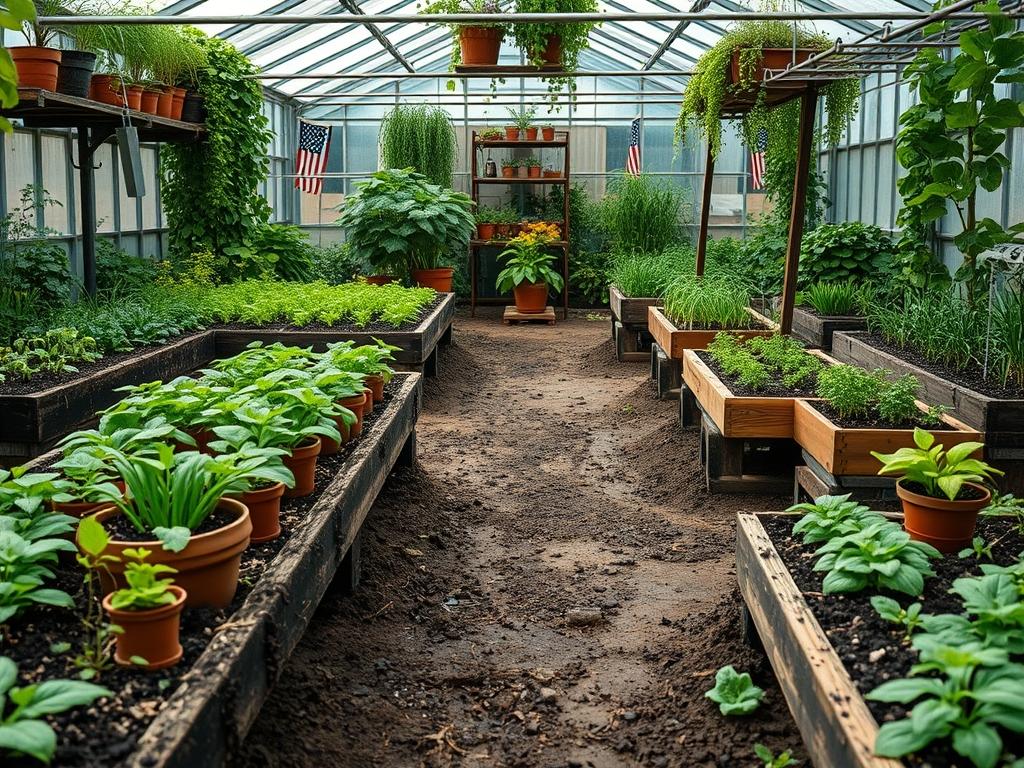
Refining a high-end landscape requires more than just aesthetic intuition; it demands a fundamental understanding of the soil horizon and nutrient availability. In many modern estates, the primary obstacle to achieving lush curb appeal is the degradation of the topsoil during construction. Heavy machinery often leaves behind compacted, nutrient-poor surfaces that struggle to support vibrant ornamental flora. While synthetic fertilizers offer a temporary boost, they frequently wash away during heavy rain, contributing to runoff issues rather than long-term soil structure. Using duckweed for soil health represents a sophisticated, biological approach to nutrient management. This organic amendment, harvested from controlled aquatic systems, provides a rapid injection of nitrogen and phosphorus that is immediately bioavailable to terrestrial plants. By integrating these aquatic biomass yields into a professional land management strategy, consultants can create a self-sustaining cycle that enhances both the outdoor functionality and the ecological value of the property.
Successful landscape architecture balances form and function through the orchestration of elevation, texture, and biological health. When we consider the design of a premium outdoor environment, we must view the soil as the primary infrastructure. A well-designed site utilizes symmetry to guide the eye toward focal points, such as a custom water feature or a curated specimen tree like a Japanese Maple. However, the visual success of these elements is entirely dependent on the underlying soil chemistry. If the nutrient profile is unbalanced, even the most expensive nursery stock will exhibit stunted growth or chlorosis.
Landscape Design Principles
In professional practice, we prioritize the concept of elevation layers to create depth. This involves the use of retaining walls and tiered planting beds that allow for varied drainage patterns. When incorporating organic amendments like duckweed, these tiers become critical. The upper levels can benefit from the high moisture retention properties of duckweed mulch, while the lower levels manage the controlled runoff. Visual balance is achieved by pairing the dense, green foliage of nitrogen-loving shrubs with the delicate textures of perennial grasses. Symmetry in the planting plan creates a sense of order, but the actual health of the plants provides the vibrant color palette that defines luxury landscaping.
We also focus heavily on irrigation planning. A common mistake is treating all zones with the same water volume. By using duckweed for soil enrichment, we actually modify the water-holding capacity of the earth. The high organic content of the biomass acts as a biological sponge, allowing for more efficient irrigation cycles and reducing the total water demand of the landscape. Walkways should be positioned to avoid compacting these enriched zones, ensuring that the soil remains aerated and the microbial life can thrive without the pressure of foot traffic.
Plant and Material Selection
The choice of flora determines the maintenance trajectory and the ultimate maturity of the design. The following table outlines standard selections for a high-performance landscape that utilizes organic soil amendments.
| Plant Type | Sun Exposure | Soil Needs | Water Demand | Growth Speed | Maintenance Level |
| :— | :— | :— | :— | :— | :— |
| Boxwood Shrub | Full to Partial | Well-drained | Moderate | Slow | Medium |
| Fescue Turf | Full Sun | High Nitrogen | High | Fast | High |
| Hostas | Full Shade | High Organic | Moderate | Medium | Low |
| Lavender | Full Sun | Sandy/Lean | Low | Medium | Low |
| Hydrangea | Partial Sun | Rich/Moist | High | Fast | Medium |
| Duckweed (Lemna) | Aquatic/Full | High Nutrient | N/A | Very Fast | High (Harvesting) |
Implementation Strategy
Implementing a landscape plan that involves using duckweed for soil requires a systematic approach to site preparation. First, the professional must address the grading of the property. Proper grading ensures that water moves away from the foundation of the home while still hydrating the primary planting zones. Once the grade is established, we define the edges of the garden beds using metal or stone edging to prevent the encroachment of turf grass into the ornamental areas.
The incorporation of duckweed begins with the harvesting of the biomass from a local pond or a dedicated on-site aquatic vessel. Because duckweed can double its mass in less than forty-eight hours, it provides a continuous supply of green manure. For a backyard installation, we recommend a layering technique. Start by tilling a thin layer of the fresh biomass into the top 3 inches of the soil. This provides an immediate burst of nitrogen as the cellular walls of the tiny plants break down. Following this, apply a secondary layer of duckweed combined with hardwood mulch to a depth of 2 to 4 inches. This top-dressing prevents the sun from drying out the nutrients and keeps the soil temperature stable.
For hardscaping elements, such as pavers or natural stone paths, it is vital to ensure that the base material consists of compacted crushed stone or polymeric sand. Do not allow the organic soil amendments to seep under the pavers, as the decomposition process can lead to shifting and uneven surfaces over time. Drainage pipes should be installed behind any retaining walls to prevent hydrostatic pressure from compromising the structural integrity of the stone work.
Common Landscaping Failures
One of the most frequent failures in residential landscaping is the lack of proper drainage planning. When the soil becomes waterlogged, the roots of expensive ornamentals transition into anaerobic respiration, leading to root rot. Even when using duckweed for soil improvement, if the site lacks a clear exit point for excess water, the organic matter will ferment rather than decompose into healthy humus.
Root overcrowding is another significant issue. Many homeowners plant for the immediate look rather than the five-year maturity of the species. When plants are spaced too closely, they compete for the very nutrients that you are trying to provide. This competition leads to a weakened immune system in the plants, making them more susceptible to pests. Soil compaction is the silent killer of the landscape. If a crew drives a heavy truck over a newly prepared bed, the micro-pores in the soil are crushed. This prevents oxygen from reaching the roots and halts the beneficial activity of earthworms and fungi that are necessary to process organic amendments.
Seasonal Maintenance
Landscape management is a year-round commitment that shifts with the regional climate. In the spring, the focus is on reactivation. This is the ideal time to apply a fresh layer of duckweed to the beds to support the vigorous growth flush. Check the irrigation system for any leaks or clogged nozzles and sharpen the blades on all pruning tools.
During the summer, the priority shifts to moisture retention. As temperatures rise, the rate of evaporation increases. Maintaining a thick mulch layer is essential. If the landscape includes a water feature used for duckweed production, ensure that the water remains oxygenated to prevent stagnant odors. Autumn is the season for soil building. As the perennials go dormant, you can aggressively incorporate large amounts of duckweed into the soil. This allows the material to break down over the winter, creating a nutrient-rich environment for the following year. Finally, in the winter, maintenance involves protecting the structure of the landscape. Prune dormant trees to remove deadwood and ensure that drainage channels are clear of debris to prevent ice damming.
Professional Landscaping FAQ
How does duckweed improve soil faster than traditional compost?
Duckweed has a very low lignin content and a high nitrogen-to-carbon ratio. This allows the plant tissues to decompose almost immediately upon contact with soil microbes, releasing nutrients in days rather than the months required for traditional woody compost.
Can I use duckweed directly on my lawn?
Yes, duckweed can be used as a top-dressing for turf. However, it should be dried slightly and finely chopped or blended before application. This ensures it settles into the thatch layer where it can provide nitrogen without smothering the grass blades.
Will using duckweed for soil attract pests to my garden?
When incorporated properly into the soil or covered with a thin layer of mulch, duckweed does not attract pests. However, if left in thick, wet piles on the surface, it may attract gnats or flies during the initial decomposition phase.
Is it safe to harvest duckweed from public ponds for my landscape?
You must exercise caution because duckweed is a bio-accumulator. If the public pond contains heavy metals or chemical runoff, those toxins will be transferred to your garden soil. It is safer to grow your own in a controlled environment or a clean source.
What is the best way to store excess duckweed biomass?
If you have a surplus of duckweed, the best storage method is sun-drying. Spread the plants on a tarp in a thin layer. Once dehydrated, the material can be stored in bags and used as a potent, dry fertilizer crumpet later in the season.