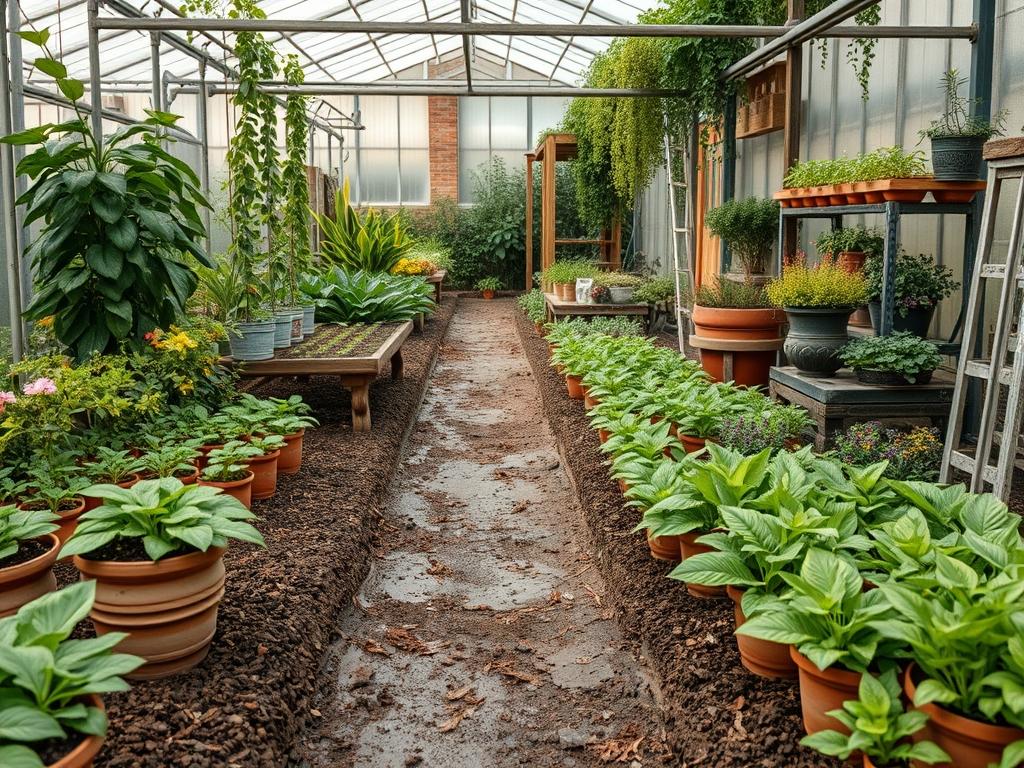
Integrating a collection of Traditional Dyeing Plants into a professional landscape design requires a careful balance between horticultural productivity and aesthetic sophistication. For the modern homeowner or estate manager, the challenge lies in transforming what was historically a purely utilitarian plot into a cohesive outdoor environment that boosts curb appeal while providing a sustainable source of natural pigments. Architects must consider the varying growth habits of dye species, ranging from the sprawling, vine-like nature of Madder to the upright, structural presence of Weld. Because many of these plants are not traditional nursery staples, the landscape must be engineered to accommodate diverse soil requirements and microclimates. Functionality is paramount; the design should facilitate easy harvesting access without disturbing the visual symmetry of the garden. By treating these plants as both botanical resources and ornamental assets, we can create a landscape that serves the artisan while anchoring the property in a timeless, pastoral elegance.
Landscape Design Principles
Successful integration begins with the application of formal design principles to ensure the garden does not appear unkempt during the later stages of the growing season. Symmetry plays a vital role here. Using structured Boxwood hedging or Steel Edging to contain dye beds prevents the more aggressive species from blurring the defined lines of the property. Focal points are equally essential. A large Copper Vat or a custom Stone Plinth can serve as a sculptural element that references the traditional processing of pigments. This provides visual interest even in winter when many dye plants have been harvested or have gone dormant.
Elevation layers create a sense of depth and professionalism in the design. We recommend placing taller, sun-hungry species like Dyer’s Sunflower or Weld in the background, while lower-growing crops such as Japanese Indigo or Coreopsis occupy the mid-ground. This tiered approach ensures that every plant receives optimal sunlight and that the “Traditional Dyeing Plants” are visible from the main sightlines of the home. Furthermore, irrigation planning must be invisible yet efficient. Subsurface Drip Irrigation lines are preferable to overhead sprinklers, as they deliver moisture directly to the root zones, reducing the risk of foliar diseases that can degrade the quality of the harvested leaves and flowers.
Plant and Material Selection
| Plant Type | Sun Exposure | Soil Needs | Water Demand | Growth Speed | Maintenance Level |
| :— | :— | :— | :— | :— | :— |
| Japanese Indigo | Full Sun | Rich, Loamy | High | Fast | Moderate |
| Madder | Partial to Full | Deep, Sandy | Moderate | Slow (3 years) | High |
| Woad | Full Sun | Alkaline, Well-drained | Low | Moderate | Low |
| Weld | Full Sun | Poor, Chalky | Low | Fast | Low |
| Dyer’s Coreopsis | Full Sun | Any, Well-drained | Moderate | Fast | Minimal |
| Safflower | Full Sun | Light, Dry | Low | Medium | Moderate |
When selecting materials for the hardscaping surrounding these plants, prioritize natural tones that complement the earthy palette of the dyes. Flagstone walkways or Decomposed Granite paths offer a permeable surface that stays cool under the summer sun. For the planting medium, a custom blend of Screened Topsoil, Mushroom Compost, and Coarse Sand is often necessary to provide the specific drainage and nutrient profiles required for high pigment concentration.
Implementation Strategy
Developing a dye-focused landscape requires a methodical implementation strategy that begins with precise Grading. Proper site leveling ensures that water does not pool near the roots of Madder, which is susceptible to rot in anaerobic conditions. For beds located on an incline, the construction of a Low-Profile Retaining Wall using Natural Fieldstone can provide the necessary flat planting surface while adding a sense of permanence to the design.
Once the grade is established, define the garden boundaries with Heavy-Duty Edging to prevent rhizomatous dye plants from invading the turf. Edging should be buried at least 4 Inches deep to be effective. The planting process itself should follow a 12-inch or 18-inch On-Center Spacing strategy, depending on the specific species, to ensure adequate airflow. After the Traditional Dyeing Plants are installed, apply a 2-Inch Layer of Hardwood Mulch or Pine Bark. This mulch depth is critical; it suppresses weeds that compete for nutrients while maintaining the soil temperature required for optimal pigment synthesis. For processing functionality, designate a small, shaded Work Station with a Quartz Countertop or Teak Table nearby, allowing for the immediate sorting and drying of harvested botanicals.
Common Landscaping Failures
The most frequent mistake in designing a dye garden is a failure to account for the invasive potential of certain species. Plants like Woad are prolific self-seeders and can quickly escape the intended landscape boundaries if not deadheaded precisely. Without a clear plan for containment, the landscape can shift from a curated environment to an overgrown field in a single season.
Another common failure involves the lack of proper Drainage. Many designers overlook the subsurface soil compaction that occurs during home construction. When Traditional Dyeing Plants are installed in compacted soil, the lack of oxygen prevents the roots from expanding, leading to stunted growth and poor dye yield. Irrigation inefficiencies also plague many projects. If Drip Emitters are not adjusted as the plants mature, the water delivery remains concentrated at the stem rather than the expanding root drip line. Finally, root overcrowding is a significant issue for perennials like Madder, which requires at least three years of growth before harvest. If planted too densely, the roots will become intertwined, making the eventual harvest a destructive process for the entire bed.
Seasonal Maintenance
Seasonal management is the key to preserving both the aesthetic and the productivity of the site. In Spring, the focus is on soil preparation and the installation of annuals. This is the time to apply a Slow-Release Organic Fertilizer and to check the pH Levels of the soil, ensuring an alkaline environment for plants like Woad. Any Winter Mulch that has become matted should be turned or replaced to allow the soil to warm.
During the Summer, maintenance shifts to harvesting and hydration. Regular deadheading of Coreopsis and Cosmos will prolong the flowering period and maximize the pigment yield. Ensure that the Irrigation Controller is adjusted for peak heat to prevent wilting. As Autumn arrives, it is time for the primary harvest of perennial roots and late-season foliage. Once the harvest is complete, the beds should be cleared of debris to prevent the overwintering of pests. Apply a fresh layer of Mulch to protect the crowns of perennial dye plants. In Winter, the landscape’s structural elements take center stage. This is the season for hardscape repairs, tool maintenance, and the strategic pruning of any woody dye-producing shrubs or trees such as Sumac or Black Walnut.
Professional Landscaping FAQ
How do I prevent dye plants from becoming invasive?
Utilize Deep Steel Edging and practice diligent deadheading. For aggressive self-seeders like Woad, harvest the flowers before they transition to seed. This maintains the garden’s architectural integrity while preventing unwanted spread into neighboring turf or natural areas.
What is the best way to ensure high pigment yield?
Focus on soil health and sunlight. Most Traditional Dyeing Plants require at least Six Hours of direct sun daily. Testing soil for mineral deficiencies and ensuring proper Phosphate Levels will significantly enhance the color concentration within the plant tissues.
Can I integrate dye plants into existing ornamental borders?
Yes, many dye plants possess striking foliage or blooms. Japanese Indigo has lush green leaves that pair well with perennials, while Safflower provides unique structural textures. Ensure the existing plants share similar Water and Light Requirements for a harmonious installation.
Are these plants safe for a landscape with pets?
While many are safe, some species can be toxic if ingested in large quantities. Always verify the safety of specific Traditional Dyeing Plants before planting in areas accessible to animals. Use Physical Barriers like small decorative fences if necessary.
How does drainage affect the quality of natural dyes?
Poor drainage leads to root stress, which often results in smaller plants and diluted pigment. Installing French Drains or raising the planting beds by Six Inches ensures that excess water moves away from the root systems quickly.