
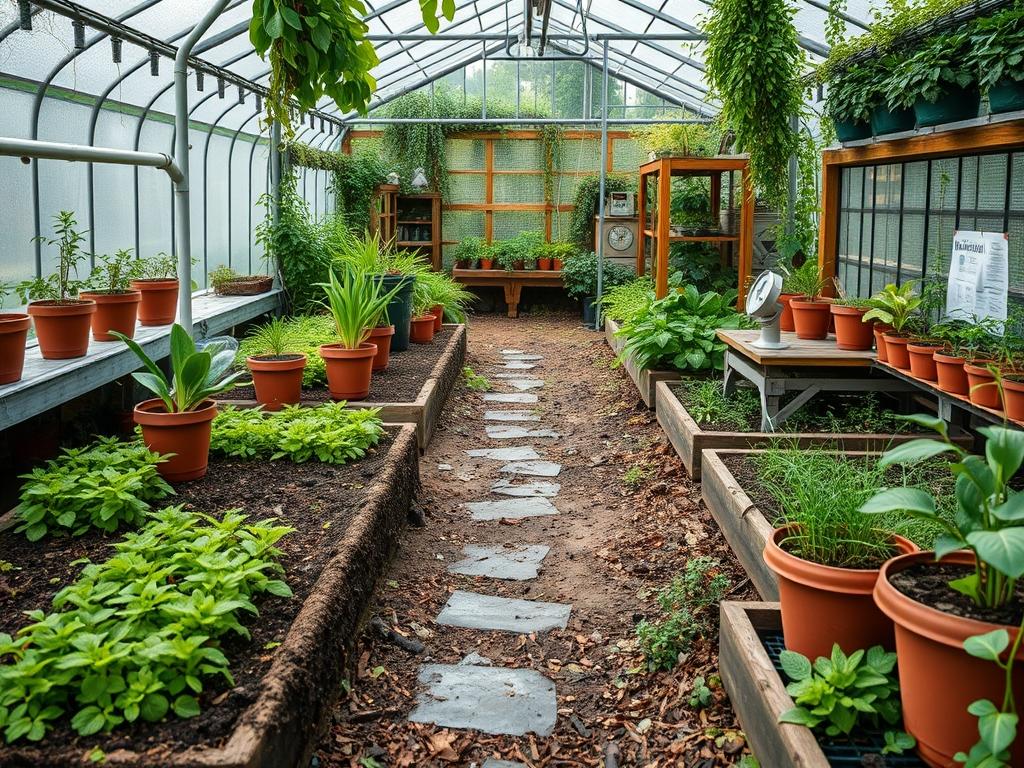
Creating an outdoor sanctuary requires a sophisticated balance between aesthetic appeal and ecological management. For many homeowners, the primary obstacle to enjoying a backyard retreat is the presence of biting insects, specifically mosquitoes. Designing for Natural Mosquito Control is not merely about scattering a few fragrant herbs near a patio; it is a holistic architectural approach that addresses site topography, hydrology, and botanical selections. A professional landscape consultant views the yard as a living system where every Retaining Wall, Drainage Pipe, and Perennial Shrub plays a role in disrupting the mosquito life cycle. By integrating these functional elements into a high end design, you can enhance curb appeal while significantly reducing the need for chemical interventions. The goal is to maximize outdoor functionality, ensuring that the transition from the interior living space to the exterior environment is seamless and comfortable regardless of the season.
Landscape Design Principles
Effective landscape architecture begins with the mastery of movement, both for people and for the elements. To mitigate insect populations, the design must prioritize airflow and water management. Stagnant air is a sanctuary for mosquitoes, so the arrangement of Privacy Hedges and structural focal points should allow for prevailing winds to sweep through the property. Using a tiered approach with various elevation layers can facilitate this movement. Lower areas of the yard are prone to moisture accumulation, which necessitates the use of raised garden beds or strategic Grading to ensure that water moves away from social zones.
Symmetry and visual balance are achieved by mirroring aromatic plantings across Walkways and entries. When planning these paths, a consultant considers the proximity of the plants to the user. Placing Lavender or Lemon Grass along a high traffic Flagstone Path ensures that as people pass by, they brush against the foliage, releasing essential oils that act as a natural deterrent. Furthermore, irrigation planning is paramount. Over-saturated soil from poor Irrigation System calibration is a leading cause of pest breakthroughs. A professional plan utilizes drip irrigation rather than overhead sprayers to deliver water directly to the root zone, keeping the surface soil and foliage dry.
Plant and Material Selection
Selecting the right biological palette is the most visible aspect of your control strategy. While no plant offers a total shield, certain species contain phytochemicals that mask the scents mosquitoes use to find hosts. The following table outlines high performance options for a functional landscape.
| Plant Type | Sun Exposure | Soil Needs | Water Demand | Growth Speed | Maintenance Level |
| :— | :— | :— | :— | :— | :— |
| Lavender (Lavandula) | Full Sun | Well-drained, sandy | Low | Moderate | Low |
| Citronella Grass | Full Sun | Rich, loamy | Moderate | Fast | Moderate |
| Rosemary (Salvia rosmarinus) | Full Sun | Sandy, dry | Low | Slow to Moderate| Low |
| Bee Balm (Monarda) | Full to Part Sun | Rich, moist | Moderate | Fast | Moderate |
| Marigolds (Tagetes) | Full Sun | Versatile, well-drained | Moderate | Fast | Low |
| Catnip (Nepeta cataria) | Full to Part Sun | Average, well-drained | Low to Moderate | Fast | Moderate |
| Peppermint (Mentha x piperita) | Part Shade to Sun | Moist, rich | High | Aggressive | High (Potting recommended) |
In addition to flora, the choice of hardscaping materials impacts pest density. Using Cedar Mulch is a professional standard because the natural oils in the wood repel a variety of insects. In contrast, heavy organic composts might retain too much moisture near the surface if not properly tilled.
Implementation Strategy
The transition from a design concept to a finished landscape requires a disciplined, step by step execution. The first phase is always a topographic assessment. You must identify the lowest points of the property and determine where water naturally collects during a heavy rain. If these areas are near social hubs, you must install Catch Basins or a French Drain to redirect the flow. Ideally, the yard should have a slope of at least 2% away from any foundation or paved area.
Once the Grading is established, define the boundaries using high quality Edging. Whether you choose Steel Edging or Concrete Pavers, a physical barrier prevents grass and weeds from encroaching on garden beds, which reduces hidden pockets of humidity. When planting, pay close attention to the mature width of each specimen. For instance, a Rosemary bush might look small in a 1-gallon nursery pot, but it can expand to 4 feet wide over time. Crowding plants prevents sun from reaching the soil, leading to damp conditions.
After the plants are in the ground, apply a layer of mulch at a depth of exactly 3 inches. This thickness is sufficient to suppress weeds and retain soil moisture for the plants, but it is not so deep that it becomes a spongy breeding ground for pests. Finally, consider the integration of hardscaping like Decks or Patios. These should be elevated slightly, with the area beneath them properly cleared and gravelled to prevent standing water.
Common Landscaping Failures
The most frequent error in residential design is the neglect of drainage. Even the most beautiful garden will become a liability if it holds pockets of standing water for more than 24 hours. Improperly installed Retaining Walls often act as dams, trapping water behind them if Weep Holes are not correctly placed. Another common failure is the use of plastic landscape fabric under mulch. Over time, fines and organic matter clog the pores of the fabric, creating a waterproof barrier that allows puddles to form just beneath the mulch layer.
Root overcrowding is another significant issue. When homeowners plant too densely for immediate “fullness,” they unintentionally create a microclimate of high humidity and zero airflow. This is particularly problematic with Boxwoods and other dense evergreens. Furthermore, soil compaction from heavy equipment during construction can destroy the soil’s ability to absorb water. Without oxygen and pore space, the ground becomes a hard, anaerobic surface that sheds water into low spots rather than filtering it down. Lastly, many irrigation systems are set to a “set and forget” timer. Over-watering during the humid summer months provides exactly the environment that mosquito larvae need to thrive.
Seasonal Maintenance
A landscape designed for Natural Mosquito Control is not a static entity; it requires seasonal management to remain effective.
In the Spring, the focus is on clearing the “winter debris.” Leaves that have collected in corners or under shrubs can hold moisture and provide a perfect nursery for the first wave of pests. This is also the time to inspect your Drip Irrigation lines for leaks. A single pinhole leak can create a persistent muddy patch that attracts insects for miles.
During the Summer, maintenance shifts to pruning. You must thin out the interior branches of dense shrubs to facilitate airflow. This period also demands vigilance regarding any decorative containers or Bird Baths. Ensure the water is changed every 48 hours or treated with biological controls like BTI dunks.
Autumn requires a thorough cleanup of fallen foliage. Decaying organic matter provides thermal protection for insect eggs during the colder months. It is also the ideal time to aerate the lawn to combat Soil Compaction, ensuring that winter rains and snowmelt can penetrate the earth rather than pooling on the surface.
In Winter, the landscape architect focuses on structural integrity. Check Retaining Walls for shifting and ensure that Gutters and Downspouts are clear. Water that spills over a clogged gutter creates the exact type of stagnant puddle that will cause problems the moment the temperature rises in the spring.
Professional Landscaping FAQ
How does elevation affect mosquito populations in my yard?
Mosquitoes prefer low-lying, damp areas with minimal wind. By using Retaining Walls and Grading to create elevated social zones, you increase airflow and ensure that water drains away from where people gather, making the area less hospitable.
Is Cedar Mulch really better than standard hardwood mulch?
Yes. Cedar Mulch contains natural thujone, a chemical compound that many insects find repellant. Additionally, cedar heartwood is more decay-resistant, meaning it does not break down into a soggy, soil-like consistency as quickly as cheaper forest products.
What is the best way to manage water in a flat yard?
In a flat landscape, you should install a French Drain or a dry creek bed using River Rock. These features guide water to a Catch Basin or a designated rain garden, preventing the saturation of the surface soil.
Can I use aromatic plants instead of professional pest services?
Plants are a supplemental layer of a broader Integrated Pest Management strategy. While they help disrupt sensors, they work best when combined with proper Grading, drainage, and the elimination of standing water across the entire property.
Why is airflow so important in my garden layout?
Mosquitoes are weak fliers. By designing paths and planting beds that do not block the wind, you create a turbulent environment that makes it difficult for them to land or track the carbon dioxide that humans exhale.