
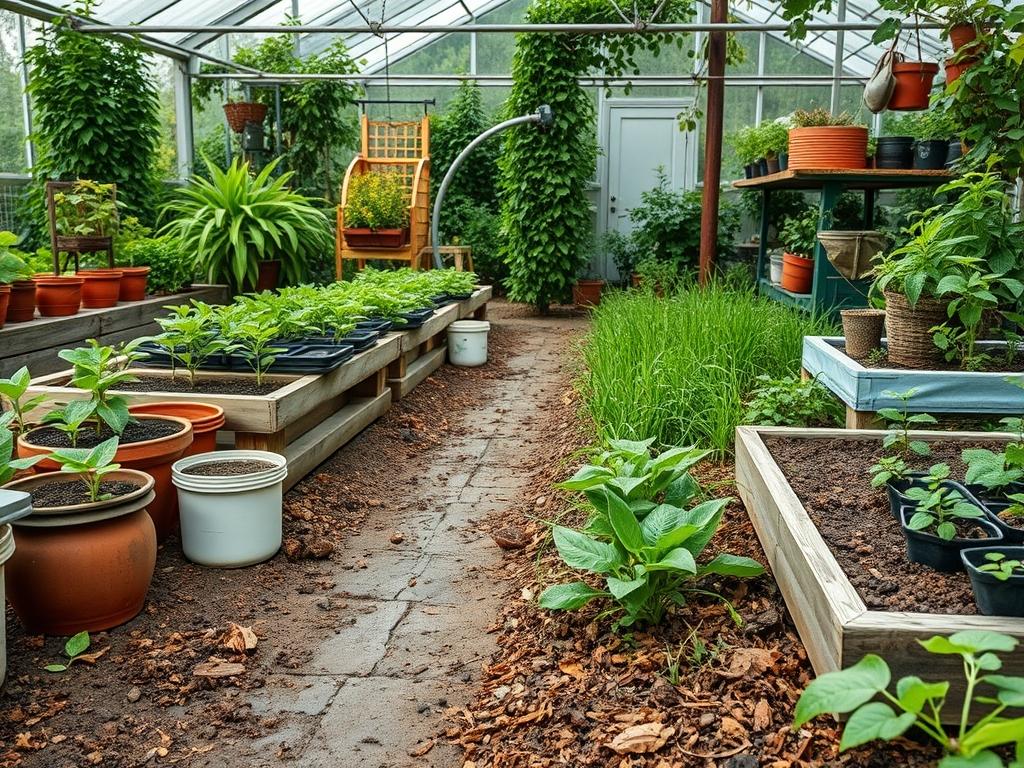
Maintaining a pristine outdoor environment during the peak of summer requires more than just regular irrigation and mowing. For landscape architects and homeowners alike, the arrival of warmer temperatures often signals the emergence of migratory pests that can compromise curb appeal and destroy years of horticultural investment. Natural Grasshopper Control is not merely an exercise in pest management; it is a fundamental component of sustainable landscape design. When these insects descend upon a property, they target high-value focal points, stripping the foliage from ornamental shrubs and leaving unsightly damage that can take seasons to repair. A professional approach to this challenge involves a transition from reactive chemical applications to a proactive, design-led strategy that integrates ecological balance with aesthetic excellence. By understanding the intersection of plant physiology, soil health, and insect behavior, we can create resilient outdoor living spaces that remain vibrant even when local infestations peak.
Focusing on the functionality of the garden is paramount. A landscape that serves as a sanctuary for humans should not be a feeding ground for local orthoptera. Effective Natural Grasshopper Control begins with the strategic placement of structural elements and the selection of flora that provides a natural defense. We must consider how the garden interacts with surrounding unmanaged lands, as these are often the staging grounds for grasshopper populations. By establishing a professional-grade buffer zone and utilizing various physical and biological deterrents, we protect the long-term health of the site. This comprehensive guide examines how to architect a landscape that resists infestation through intelligent design, material selection, and disciplined maintenance protocols.
Landscape Design Principles
Visual balance and symmetry in a landscape are often the first victims of a grasshopper swarm. To prevent this, professional design must prioritize diversity over monoculture. When a single species, such as a specific Turfgrass, dominates a large area, it provides a consistent food source that can support massive insect populations. By instead utilizing elevation layers, we create fragmented micro-environments that are less hospitable to swarming pests. For instance, using Retaining Walls to create raised planters allows for better soil drainage and creates a physical barrier that can be easily monitored. These elevation changes also provide ideal habitats for natural predators like lizards and birds, which play a crucial role in maintaining the ecological balance of the site.
Focal points should be constructed using materials or plants that are inherently resistant to damage. Integrating Hardscaping elements, such as Natural Stone Pavings or Architectural Concrete, reduces the total biomass available for pests to consume. Walkways should be designed to serve as both functional paths and firebreaks for pest movement. A Decomposed Granite path, at least 36 Inches in width, can act as a transition zone where grasshoppers are more exposed to avian predators. Furthermore, irrigation planning must be precise. Over-irrigated margins attract pests looking for moisture in the summer heat. Using a Drip Irrigation System ensures that water is delivered directly to the root zones of desired plants, keeping the surrounding soil dry and less attractive for grasshopper egg-laying.
Plant and Material Selection
Selecting the right plant material is the most effective way to ensure long-term Natural Grasshopper Control. Certain species contain essential oils or possess leaf textures that are unpalatable to these insects. Incorporating these into the primary visual layers of the landscape reduces the need for constant intervention. Use the following table to guide your selection process for a resilient summer landscape.
| Plant Type | Sun Exposure | Soil Needs | Water Demand | Growth Speed | Maintenance Level |
| :— | :— | :— | :— | :— | :— |
| Salvia (Sage) | Full Sun | Well-Drained | Low | Moderate | Low |
| Lavender | Full Sun | Sandy/Loam | Very Low | Moderate | Prune Annually |
| Yucca | Full Sun | Arid/Rocky | Minimal | Slow | Minimal |
| Juniper | Full/Partial | Versatile | Low | Moderate | Occasional Trim |
| Artemisia | Full Sun | Poor Soil | Low | Fast | Seasonal Cutback |
| Russian Sage | Full Sun | Alkaline | Low | Fast | High (Pruning) |
| Lilac | Full/Partial | Rich Loam | Moderate | Moderate | Moderate |
In addition to these plants, the choice of Mulch plays a significant role. Avoid using excessively fine, dyed wood mulches that retain too much surface moisture. Instead, opt for Cedar Bark Mulch or Crushed Gravel. Cedar contains natural thujone, which acts as a mild repellent for many insects. Using a layer of 3 Inches helps suppress weeds while keeping the soil temperature regulated without creating the damp, humid environment that grasshoppers frequent during the hottest parts of the day.
Implementation Strategy
A successful backyard layout planning phase must begin with professional grading. Proper slope ensures that water moves away from high-traffic zones and does not pool. Standing water or consistently soggy turf is a magnet for pests. Once the grade is established, use Steel Edging or Concrete Curbing to define the boundaries between managed beds and wilder perimeter zones. This creates a clean aesthetic and prevents the encroachment of tall grasses, which are the preferred habitat for young grasshoppers.
When planting, use a staggered layout rather than straight lines of the same species. This disruption of visual and chemical signals makes it harder for pests to target specific plants. For high-priority ornamental specimens, such as young Japanese Maples or prized Rose Bushes, the use of Floating Row Covers made of lightweight Polypropylene Fabric can provide a physical barrier during peak migration weeks. These covers can be removed once the local population pressure subsides, preserving the aesthetic integrity of the garden for late summer hosting.
Drainage is another critical factor. Install French Drains or Catch Basins in areas prone to runoff. By controlling the moisture profile of the entire property, you manipulate the environment to favor your chosen flora over opportunistic pests. If you are developing a new area, consider a Sub-grade Preparation that includes a Geotextile Fabric layer under Hardscaping to prevent soil movement and unwanted weed growth, further limiting the resources available to grasshoppers.
Common Landscaping Failures
One of the most frequent mistakes in residential landscaping is root overcrowding. When plants are spaced too closely to achieve an “instant” full look, they compete for nutrients and water, leading to stress. Stressed plants emit chemical signals that attract pests, including grasshoppers. Always follow professional spacing guidelines, typically leaving 18 to 24 Inches between medium shrubs to allow for airflow and predator access.
Irrigation inefficiencies also contribute significantly to pest problems. Over-watering, particularly in the evening, leaves foliage wet overnight, which can lead to fungal issues and attract nocturnal pests. Soil compaction is another silent killer of landscape health. In high-traffic areas, compacted soil prevents deep root growth, making the plants more susceptible to the defoliation caused by grasshoppers. Use an Aerator annually to ensure that oxygen and water can reach the root systems. Finally, many owners fail to realize that high-nitrogen fertilizers create flush, succulent growth that is essentially a feast for pests. Use Slow-Release Organic Fertilizers to encourage steady, hardy growth rather than weak, green tissue.
Seasonal Maintenance
Landscape management is a year-round commitment. In the spring, the focus should be on soil disturbance. Grasshoppers lay their eggs in the top 2 Inches of soil during the previous autumn. By lightly tilling unplanted garden margins or using a Power Rake on the lawn, you can expose these egg pods to the elements and birds, significantly reducing the summer population.
Summer maintenance involves vigilant monitoring and the use of biological controls. Applying Nolo Bait, which contains the natural pathogen Nosema locustae, is most effective when grasshoppers are still in their nymph stage, roughly 0.5 Inches in length. During autumn, the goal shifts to cleanup. Removing dead leaf litter and spent annuals deprives the insects of hiding spots for their final egg-laying cycle. Winter provides a hiatus, but it is the ideal time to inspect Hardscaping for cracks and to plan any structural changes, such as adding Bird Houses or Bat Boxes to encourage natural predators for the coming year.
Professional Landscaping FAQ
How does mulch type affect Natural Grasshopper Control?
Cedar Mulch and inorganic options like River Rock are superior to standard dyed chips. They provide less hospitable environments for egg-laying and offer natural repellent properties that discourage pests from congregating near the foundations of structural plantings.
Can irrigation timing really reduce insect damage?
Yes, by watering in the early morning using Drip Emitters, you ensure the foliage is dry by the time grasshoppers are most active. This reduces the humidity levels within the plant canopy, making the micro-environment less attractive for swarming insects.
Is there a specific height for turf to discourage pests?
Maintaining Turfgrass at a height of 3 Inches promotes deep root health and resilience. However, keeping perimeter “buffer zones” trimmed shorter than the main lawn can expose migrating grasshoppers to predators before they reach your ornamental beds.
What is the most durable plant for a grasshopper-prone area?
Artemisia and Lavender are exceptionally resilient. Their strong volatile oils and silver-gray, hairy foliage are highly unpalatable. These species maintain their structural integrity and color even when other plants in the vicinity are under heavy pest pressure.
How do retaining walls assist in pest management?
Retaining Walls built with Segmental Retaining Wall Blocks create vertical displacement. This disrupts the low-level movement of nymphs and provides sunning spots for predatory reptiles, effectively integrating a natural biological control mechanism into the architectural fabric of the landscape.