Integrating productive vegetable elements into a high-end landscape requires a delicate balance between aesthetic appeal and functional biology. When we approach the task of saving pea seeds, we are not merely looking at a harvest; we are managing the final lifecycle stage of a vertical design element. The challenge for many homeowners lies in the aesthetic decline of the legume during its drying phase. Traditionally, landscape architects prioritize lush, green foliage, yet seed saving demands that we allow the plant to achieve a state of desiccated maturity that many mistake for garden failure. To successfully integrate this process without compromising curb appeal, one must understand the site’s microclimate, the structural integrity of supporting Trellises, and the specific visual indicators of a seed pod that has reached its physiological peak.
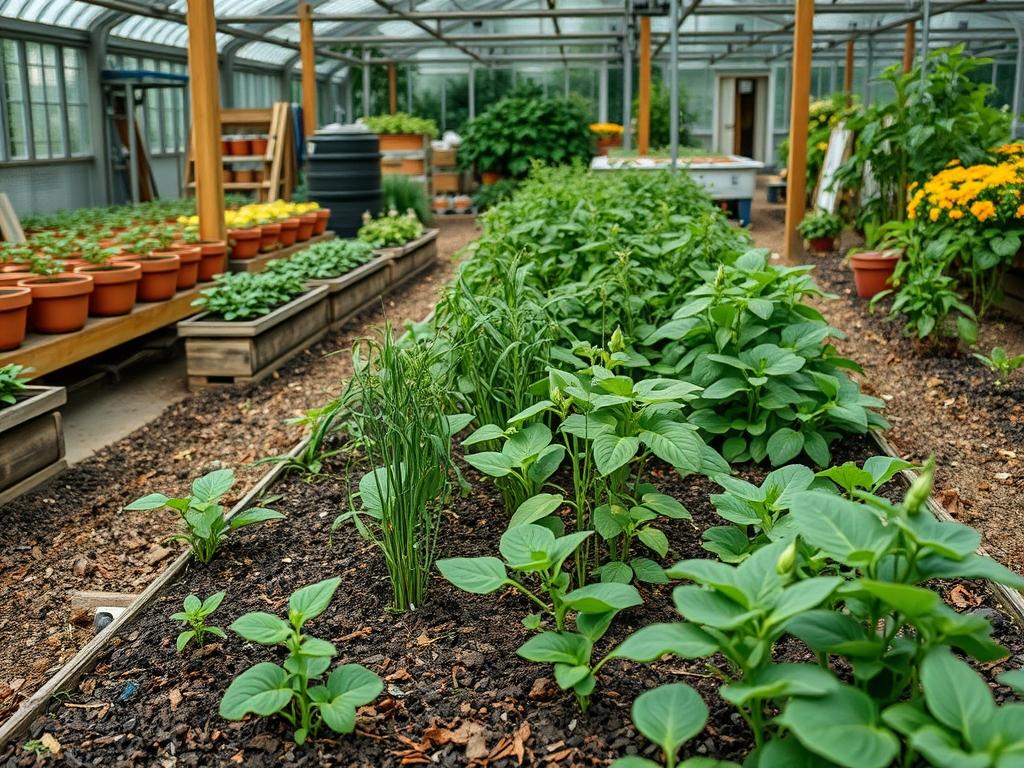
Strategic placement is essential for managing the visual transition of these plants. By situating Pisum sativum at the mid-ground of a border or behind lower-profile evergreen shrubs, the browning foliage remains hidden while the seeds mature. The goal is to maximize the sun exposure to at least 6 hours per day while ensuring the area has excellent air circulation. This spatial planning prevents the onset of powdery mildew, a common landscape blight that can compromise seed health before the pods are fully dry. A well-designed garden utilizes the pea vine as a temporary screen, allowing the transition from a spring flowering feature to a late-summer seed repository.
Landscape Design Principles
Symmetry and focal points are the foundations of any professional outdoor environment. When planning for seed saving, utilize Obelisks or Cattle Panels as focal points within the garden beds. These structures provide the necessary elevation, allowing the pea vines to climb and display their pods in a manner that is easy to monitor. By elevating the plants, we also improve the lighting at the lower layers of the landscape, preventing the bottom leaves from becoming a damp harbor for pests. The verticality of the Pea Vine should be balanced by horizontal elements like Stone Pavers or Flagstone Walkways, which provide stable access for harvesting without compacting the surrounding soil.
Elevation layers play a role in moisture management. Ideally, the seed-saving area should be slightly elevated, perhaps through the use of Capped Retaining Walls or Raised Garden Beds. This grading ensures that excess irrigation or rainwater moves away from the root zone during the final weeks of the seed’s development. Proper drainage is paramount because consistent moisture at the base of a maturing plant can lead to pod rot, even if the upper portions appear dry. Irrigation planning should switch from overhead sprays to Drip Emitters or Soaker Hoses late in the season. This targeted watering keeps the roots viable while preventing the pods themselves from becoming damp, which is the primary cause of premature germination or fungal infection.
Plant and Material Selection
| Plant Type | Sun Exposure | Soil Needs | Water Demand | Growth Speed | Maintenance Level |
| :— | :— | :— | :— | :— | :— |
| English Shelling Peas | Full Sun | Loamy, pH 6.0-7.5 | Moderate | Fast | Medium |
| Sugar Snap Peas | Full Sun | Well-drained | Moderate | Medium | Low |
| Snow Peas | Partial to Full | Rich Organic | Moderate | Fast | Low |
| Sweet Alyssum | Full Sun | Average | Low | Medium | Very Low |
| Marigolds | Full Sun | Any / Well-drained | Low | Moderate | Low |
| Cedar Trellis | N/A | Treated Base | N/A | N/A | Low |
Implementation Strategy
The process begins with the initial grading of the site. A 2 percent slope away from the primary structure ensures that water does not pool in the root zones. Once the site is prepared, install Cedar Posts or Steel Stakes to a depth of at least 12 inches to ensure stability against wind loads. When the plants reach maturity, the identification of the perfect pod becomes the priority. Research suggests that a pod is ready for seed saving when it has transitioned from a succulent green to a dry, parchment-colored tan. The texture should feel brittle, resembling thin paper rather than leather.
To test for readiness, a landscape professional will perform the rattle test. Gently shake the Pea Pod. The seeds inside should have detached from the interior wall and should produce a distinct clicking or rattling sound. If the pod is still flexible or “bendy,” it requires more time on the vine. Harvesting too early results in seeds that shrivel and fail to germinate in the following season. Use Pruning Shears or Garden Snips to remove the pods. Avoid pulling them by hand, as the desiccation process makes the main vine extremely brittle; pulling can snap the entire plant and damage neighboring pods that may still need a few days of sunlight.
Once removed, the seeds should be extracted in a dry environment. Lay them out on a Screen Mesh or a Wire Rack in a shaded area with high airflow for another 48 hours. This step ensures that any residual “field heat” or internal moisture is dissipated before they are moved into long-term storage in Glass Jars or Paper Envelopes. The final seed should be so hard that it cannot be dented by a fingernail.
Common Landscaping Failures
The most frequent failure in the landscape for this specific task is improper drainage. When Soil Compaction occurs around the base of the trellis, water sits at the crown of the plant. This slows the drying process and can cause the seeds to mold within the pod. Another common error is over-application of Mulch. While 3 inches of mulch is standard for moisture retention, excessive depth can trap humidity near the lower tiers of the vine. This humidity rises through the plant, keeping the pods soft and prone to decay.
Improper spacing is another professional oversight. In an attempt to create a “full” look, many designers crowd Pea Seeds only 1 inch apart. For seed saving, a spacing of 3 to 4 inches is required to ensure that wind can move through the foliage. This airflow is the primary engine of desiccation. Furthermore, irrigation inefficiencies often involve late-evening watering. If foliage remains wet overnight, the likelihood of Botrytis increases, which can ruin an entire season’s worth of potential seed stock.
Seasonal Maintenance
Spring maintenance focuses on soil preparation and structural checks. Ensure that Trellises are plumb and that Irrigation Lines are free of clogs. As the temperatures rise in summer, the focus shifts to monitoring moisture levels. Once the flowering ceases and pods begin to swell, reduce nitrogen-heavy fertilizers, as these promote green growth at the expense of seed maturation. In late summer, when the plants begin to yellow, resist the urge to prune them back for aesthetic reasons; this is the critical window where the plant’s energy moves from the leaves into the seeds.
Autumn maintenance involves the removal of the spent vines. Once the seeds are harvested, the remaining biomass is rich in nitrogen. Many landscape consultants recommend cutting the plants at the soil line, leaving the Root Nodules in the earth to decompose and naturally fertilize the soil for the next season. Winter care involves the sterilization of tools and the storage of seeds in a cool, dark, and dry environment. Temperatures should ideally remain below 50 degrees Fahrenheit to maintain the highest possible germination rates for the following spring.
Professional Landscaping FAQ
How do I know if the pod is dry enough?
A harvest-ready pod feels like brittle parchment and rattles when shaken. It should shatter easily under light pressure. If the pod remains leathery or flexible, the seeds inside haven’t reached full physiological maturity and require more time on the vine.
Can I save seeds from diseased plants?
Avoid saving seeds from plants showing signs of viral infections or heavy blight. Pathogens can linger on the seed coat and infect your landscape next season. Only select the healthiest, most vigorous plants to ensure the long-term success of your garden.
How does mulch depth affect seed saving?
Excessive mulch traps moisture at the base of the plant, raising local humidity. Keep mulch to a 3 inch depth and ensure it does not touch the stems directly. Proper airflow around the plant base is vital for drying pods.
Will cross-pollination ruin my seed harvest?
Peas are mostly self-pollinating, meaning different varieties can often be grown in the same landscape without significant crossing. To be safe, separate different varieties by at least 10 feet or use taller “border” plants to create a physical barrier between them.
What is the best way to store saved seeds?
Store fully dried seeds in airtight Glass Jars in a cool, dark place. Adding a small Silica Gel Packet can help absorb any remaining traces of moisture. Label each container with the variety and the harvest date for future planting.