
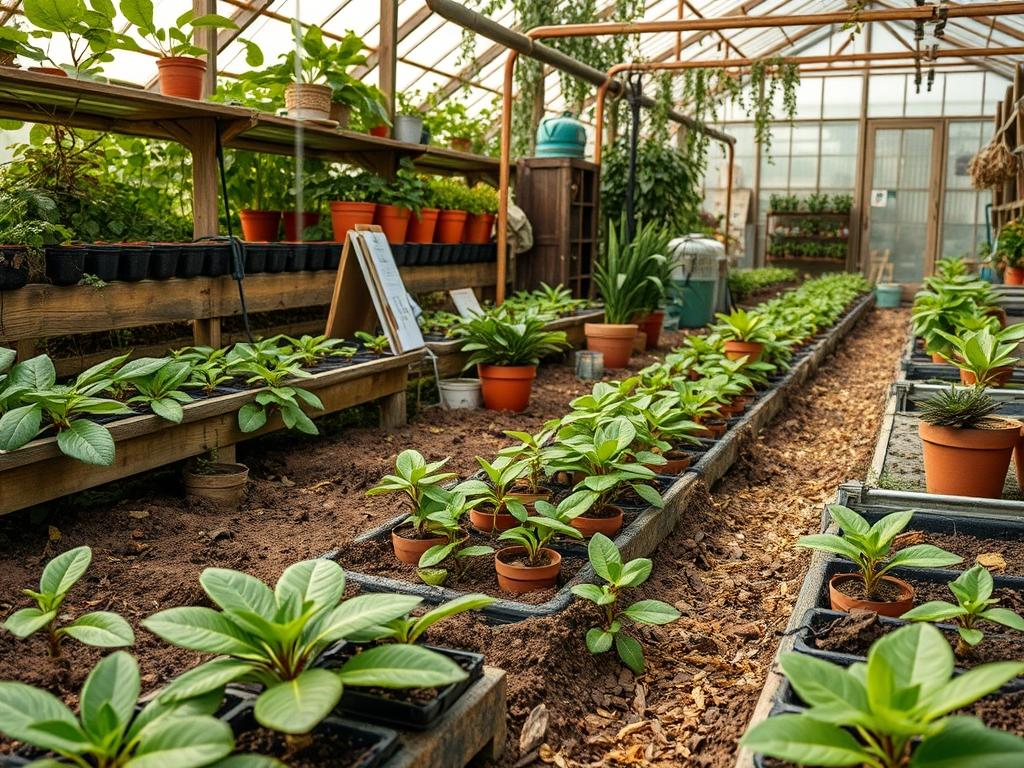
Designing a landscape focused on the harvest of traditional fruit leather requires a sophisticated blending of horticultural science and aesthetic architectural planning. This process begins with a comprehensive site analysis that evaluates microclimates, soil structure, and solar orientation. When a property owner transitions from a standard ornamental lawn to a productive orchard, the primary challenge involves maintaining curb appeal while maximizing the yield of high-sugar pome and stone fruits. A well-designed orchard should function as an outdoor room, providing shade, privacy, and architectural interest throughout the year. The ultimate goal is to create a sustainable ecosystem where the infrastructure supports the heavy weight of a ripening harvest, ensuring that the raw materials for traditional fruit leather are consistent in quality and flavor.
Landscape architects must consider the long term functionality of the site. This includes the management of water runoff and the integration of accessible pathways that allow for harvest equipment to move freely. A landscape designed for production cannot be cluttered; it requires clear lines of sight and intentional spacing to prevent the spread of fungal pathogens. By selecting species that thrive in the local hardiness zone, a designer ensures that the orchard remains a permanent fixture of the property rather than a temporary experiment. The integration of native pollinator plants around the perimeter further enhances the health of the fruit trees, creating a biodiverse environment that naturally manages pest populations. Strategic elevation changes, such as the use of retaining walls or terracing, can solve drainage issues on sloped lots while adding a sense of grandeur to the garden.
Landscape Design Principles
Symmetry and focal points are the cornerstones of a professional orchard layout. When planning for the production of traditional fruit leather, the placement of Malus domestica (apple) or Pyrus communis (pear) trees should follow a geometric pattern that creates visual rhythm. Linear rows or “allees” provide a structured look that complements modern and traditional home architectures alike. Using a central focal point, such as a large Prunus armeniaca (apricot) tree or a decorative stone fountain, draws the eye through the space and gives the landscape a sense of purpose.
Elevation layers play a vital role in the transition from the home to the productive zones of the garden. By placing shorter, bushier fruit varieties like Prunus cerasus (tart cherry) in the foreground and taller, standard-sized trees in the background, a designer creates a “stadium seating” effect that maximizes sun exposure for every plant. Visual balance is achieved by mirroring the types of trees used on either side of a central walkway. This walkway should be constructed from durable materials like crushed limestone or flagstone set in a permeable base. Proper irrigation planning is equally critical; a high-efficiency drip irrigation system installed beneath the surface ensures that water reaches the root zones directly, which minimizes evaporation and prevents the foliar diseases often caused by overhead sprinklers.
Plant and Material Selection
| Plant Type | Sun Exposure | Soil Needs | Water Demand | Growth Speed | Maintenance Level |
| :— | :— | :— | :— | :— | :— |
| Apple (Malus) | Full Sun | Well-drained, Loamy | Moderate | Medium | High (Pruning) |
| Pear (Pyrus) | Full Sun | Slightly Acidic | Moderate | Medium | Moderate |
| Apricot (Prunus) | Full Sun | Sandy Loam | Low to Moderate | Fast | Moderate |
| Plum (Prunus) | Full Sun | Moist, Rich | Moderate | Fast | Medium |
| Peach (Prunus) | Full Sun | Sandy, Well-drained | High | Fast | High |
| Currant (Ribes) | Partial Shade | Humus-rich | Moderate | Fast | Low |
The selection of specific cultivars is determined by the desired texture and sweetness of the fruit leather. For example, high-pectin apples provide a firm structure for the leather, while peaches add moisture and a vibrant orange hue. In addition to the trees, the hardscaping materials should be selected for durability. Pressure-treated timber or natural cedar for raised beds provides a clean edge that prevents soil erosion. Using dark basalt gravel for paths can help retain heat in cooler climates, extending the growing season for late-ripening varieties.
Implementation Strategy
The implementation of a productive orchard begins with professional grading. The land must be leveled or pitched at a 2 percent slope to ensure that water moves away from the tree trunks, preventing crown rot. Once the grade is established, the layout should be marked using surveyor stakes and landscape string. For an orchard intended for traditional fruit leather production, spacing is the most important variable. Semi-dwarf trees should be spaced roughly 12 to 15 feet apart, while standard trees require at least 20 feet of clearance to allow for full canopy expansion and light penetration.
After the trees are positioned, the installation of edging materials like powder-coated steel or tumbled brick will define the beds and prevent turf grass from encroaching on the root zones. A thick layer of organic arborist chips or shredded bark mulch, ideally 3 to 4 inches deep, should be applied around the base of each tree. This mulch layer serves three purposes: it suppresses weeds, retains soil moisture, and adds organic matter to the soil as it decomposes. Drainage should be further supported by French drains in low-lying areas of the yard to prevent standing water during heavy spring rains. Finally, the hardscaping elements, such as benches or garden sheds, should be positioned to provide utility and a place to process the harvest comfortably.
Common Landscaping Failures
One of the most frequent mistakes in orchard landscaping is root overcrowding. Designing a space based on the size of a sapling rather than its mature canopy width leads to a tangled mess of branches within five years. This lack of airflow increases the risk of powdery mildew and scab, which can ruin a crop intended for fruit leather. Another common failure is poor soil preparation. Planting directly into compacted clay without amending it with compost or expanded shale prevents roots from accessing oxygen, leading to stunted growth or tree death.
Irrigation inefficiencies also plague many residential orchards. Many homeowners rely on turf sprinklers, which deliver water to the leaves rather than the roots. This encourages shallow root systems that make trees vulnerable to drought. Furthermore, failing to account for “frost pockets” can lead to total crop loss. Cold air acts like water and flows downhill; planting fruit trees in a low-lying depression in the landscape often results in spring blossoms freezing before they can be pollinated. Proper elevation planning and the use of windbreaks or hedgerows can help mitigate these environmental risks.
Seasonal Maintenance
Maintenance in a productive landscape is a year-round commitment. In the spring, the focus is on structural pruning. This involves removing dead, damaged, or diseased wood (often called the three Ds) and thinning out the center of the tree to allow light to reach the interior fruit. Applying a dormant oil spray before the buds break helps manage overwintering pests without the need for harsh chemicals later in the season.
During the summer months, the priority shifts to fruit thinning. By removing excess fruit, the tree can direct more energy into the remaining crop, resulting in larger, sweeter fruits that are ideal for making leather. This is also the time to monitor the irrigation system for leaks or clogged emitters. As autumn arrives, the harvest begins. Fruit intended for leather should be picked at the peak of ripeness when sugar levels are highest. After the harvest, applying a fresh layer of compost and mulch prepares the trees for the winter. In the winter, the primary task is protection. Wrapping the trunks of young trees with plastic guards prevents damage from rodents and sunscald, ensuring the orchard remains healthy for another productive year.
Professional Landscaping FAQ
How much space do I need for a productive orchard?
For a functional home orchard, you should allocate at least 500 to 800 square feet. This allows for a variety of three to five semi-dwarf trees with enough clearance for maintenance paths and proper airflow between the canopies.
What is the best mulch for fruit-bearing trees?
Shredded hardwood mulch or pine bark is ideal. These organic materials break down slowly, improving soil structure over time. Avoid using dyed mulches or rocks, as they do not provide the necessary nutrients or moisture retention for heavy-fruiting species.
Can I grow fruit trees in heavy clay soil?
Yes, but you must amend the soil with organic compost and improve drainage. Planting on raised mounds or using perforated drainage pipes beneath the planting site helps prevent the root rot typical of heavy, non-porous clay environments.
How often should I prune trees for maximum yield?
Annual pruning is essential. Most professional arborists recommend late winter or early spring for structural thinning. A second, lighter pruning in mid-summer can help manage the size of the tree and Redirect energy toward fruit development rather than excessive foliage growth.
Do I need a professional irrigation system for fruit leather crops?
While manual watering is possible, a timed drip system is highly recommended. Consistent moisture levels are the key to high sugar content in fruit. Fluctuations in soil moisture can cause fruit to crack or drop prematurely, ruining the harvest.