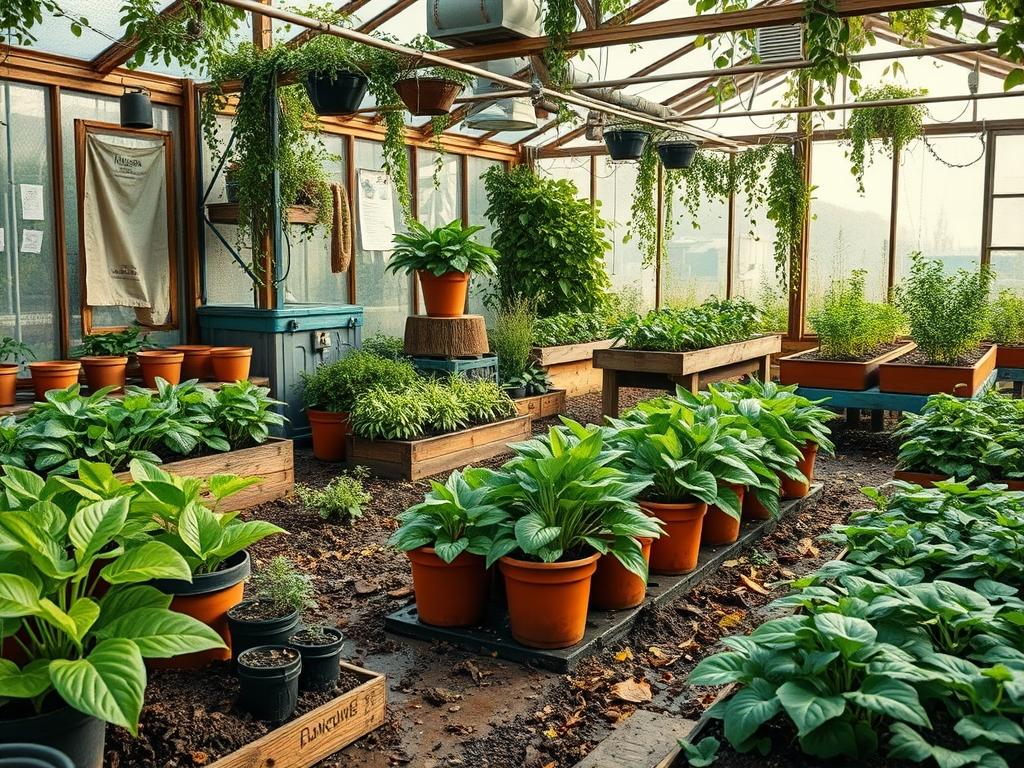
Establishing a landscape dedicated to Woad Leaf Fermentation requires a delicate balance between high-utility production and residential aesthetic standards. The primary challenge lies in the biennial nature of Isatis tinctoria, which produces a low rosette of bluish green leaves in its first year and a towering, four foot yellow floral display in its second. From a landscape architect’s perspective, this necessitates a planting rhythm that ensures perpetual curb appeal while facilitating a high volume harvest. We must consider the site’s sun exposure, the proximity of water sources for processing, and the structural integrity of the harvesting zones. A well-designed dye garden should serve as a retreat for the homeowner, providing visual interest through varying textures while functioning as a biological laboratory for pigment extraction. To achieve this, the outdoor environment must be graded correctly to prevent standing water, as the taproots of the woad plant are susceptible to rot in anaerobic soil conditions.
Successful landscape design for pigment production hinges on the integration of functional zones and aesthetic harmony. We utilize symmetry to frame the production areas, often employing boxwood hedges or steel edging to define the boundaries between woad beds and pedestrian walkways. Focal points are essential in a large scale garden; a central fermentation station or a decorative cedar drying shed can serve as a visual anchor. Elevation layers add depth, with taller perennial shrubs positioned at the rear of the property and the shorter first year woad rosettes placed in the foreground. Irrigation planning is perhaps the most critical technical component. We often specify drip irrigation systems with automated timers to ensure consistent moisture without wetting the foliage, which can lead to fungal issues and degrade the quality of the precursors needed for Woad Leaf Fermentation. Walkways should be constructed from porous materials like stabilized decomposed granite or flagstone to allow for heavy foot traffic during harvest without compacting the surrounding soil.
Landscape Design Principles
The architectural layout of a dye garden relies on the principle of accessibility; you must be able to reach the center of a bed without stepping on the soil. We recommend a maximum bed width of 4 feet to allow for bilateral harvesting. Elevation play is achieved through the use of retaining walls built from natural limestone or pressure-treated timber, which can also help manage slope transitions and prevent erosion. By terracing a sloped yard, we create distinct microclimates where heat-loving plants can thrive on higher, dryer ground while moisture-loving companion plants reside in the lower tiers. Visual balance is maintained by mixing the utilitarian woad plants with ornamental species that share similar cultural requirements. For example, the fine texture of lavender or salvia provides a sophisticated contrast to the broad, coarse leaves of the dye plants.
Plant and Material Selection
| Plant Type | Sun Exposure | Soil Needs | Water Demand | Growth Speed | Maintenance Level |
| :— | :— | :— | :— | :— | :— |
| Isatis tinctoria (Woad) | Full Sun | Alkaline, Well-drained | Moderate | Fast | Medium |
| Indigofera tinctoria | Full Sun | Loamy, Rich | High | Fast | High |
| Rubia tinctorum (Madder) | Partial Shade | Deep, Sandy | Moderate | Slow | Low |
| Reseda luteola (Weld) | Full Sun | Poor, Calcareous | Low | Medium | Low |
| Lavandula angustifolia | Full Sun | Gritty, Lean | Low | Medium | Medium |
| Buxus sempervirens | Sun to Shade | Adaptable | Moderate | Slow | High |
Implementation Strategy
The transition from a design on paper to a physical landscape begins with professional grading. We use a transit level to ensure a 2 percent slope away from any permanent structures, directing runoff toward French drains or bioswales. Once the site is leveled, we mark the beds using marking paint and surveyor stakes. For a site dedicated to Woad Leaf Fermentation, soil preparation is intensive. We incorporate agricultural lime to raise the pH level to approximately 7.0 or 7.5, which optimizes the indigo precursor content in the leaves.
After soil amendments are tilled to a depth of 12 inches, we install weed barrier fabric only under the walkways to keep the planting zones breathable. Edging is then installed to provide a clean break between the turf and the dye beds; 14-gauge steel edging is a preferred choice for its durability and slim profile. We recommend a 3-inch layer of hardwood mulch or pine bark nuggets to suppress weeds and retain moisture, though we keep the mulch several inches away from the base of the woad plants to prevent crown rot. Finally, the installation of low-voltage LED path lights ensures that the garden is navigable during early morning or late evening harvests, which are often necessary during peak fermentation season.
Common Landscaping Failures
The most frequent mistake in specialty dye gardens is improper drainage management. When water pools around the taproots of Isatis tinctoria, the plant often becomes stunted or dies before the harvest window. Overcrowding is another significant issue; woad requires significant airflow to prevent powdery mildew. We recommend a minimum spacing of 12 to 18 inches between plants. Another failure point is soil compaction caused by frequent foot traffic near the root zones. Without defined walkways, the soil loses its porosity, preventing the deep taproots from accessing nutrients.
Irrigation inefficiencies often result from using overhead sprinklers. This method wastes water through evaporation and increases the risk of foliar disease. Furthermore, many homeowners fail to account for the nutrient depletion caused by Woad Leaf Fermentation crops. Woad is a heavy feeder, particularly of nitrogen. Failing to replenish the soil with composted manure or a high-nitrogen organic fertilizer after the first year will result in a poor second year flower crop and diminished seed viability. Finally, neglecting the invasive potential of woad can be a disaster; if not harvested or deadheaded before the seeds turn black, it can quickly overwhelm the rest of the landscape.
Seasonal Maintenance
Spring maintenance begins with the removal of any winter debris and the application of a pre-emergent herbicide in non-production zones. This is the time to test the soil pH and add pelletized lime if the levels have dropped. As the first year woad rosettes emerge, we apply a balanced 10-10-10 fertilizer to jumpstart leaf production.
Summer is the season of intensive management. Irrigation schedules must be monitored closely during heat waves. This is also when the primary harvest for Woad Leaf Fermentation occurs. Landscape architects suggest a staggered harvest to maintain the garden’s visual integrity.
Autumn focuses on transition and collection. We harvest the dark, winged seeds from the second year plants to store for the following season. The spent flower stalks are removed with bypass pruners and composted. This is also the ideal time to plant spring flowering bulbs around the woad beds to provide early color before the dye plants take off.
Winter is a period of structural maintenance. We prune any deciduous shrubs, such as Indigofera, back to the ground or to a structural frame. Hardscape elements like pavers and retaining walls should be inspected for frost heave. If the ground is not frozen, applying a fresh 2-inch layer of mulch will protect the biennial roots from extreme temperature fluctuations.
Professional Landscaping FAQ
How much space do I need for a functional woad garden?
A minimum of 200 square feet is recommended to produce enough pigment for professional use. This allows for proper spacing and a rotation between first year and second year plants to ensure a consistent annual harvest for fermentation.
Can I grow woad in containers to save space?
While possible, it is not ideal due to the plant’s long taproot. If you must use containers, select pots at least 24 inches deep and use a high quality soilless potting mix to ensure adequate drainage and root expansion.
What is the best mulch for a dye garden?
We recommend shredded cedar mulch or pine bark nuggets. These materials break down slowly and provide a clean aesthetic. Avoid dyed mulches, as the chemicals can leach into the soil and potentially interfere with the woad’s chemistry.
How do I prevent woad from becoming invasive?
The key is timing. You must harvest the leaves in the first year and remove the seed heads in the second year before they drop. Using landscape edging also helps contain the root zone within designated areas.
Does woad require a specific type of irrigation?
Yes, drip irrigation or soaker hoses are superior. These methods deliver water directly to the soil, keeping the foliage dry and reducing the risk of disease, which is vital for maintaining the quality of the blue pigment precursors.