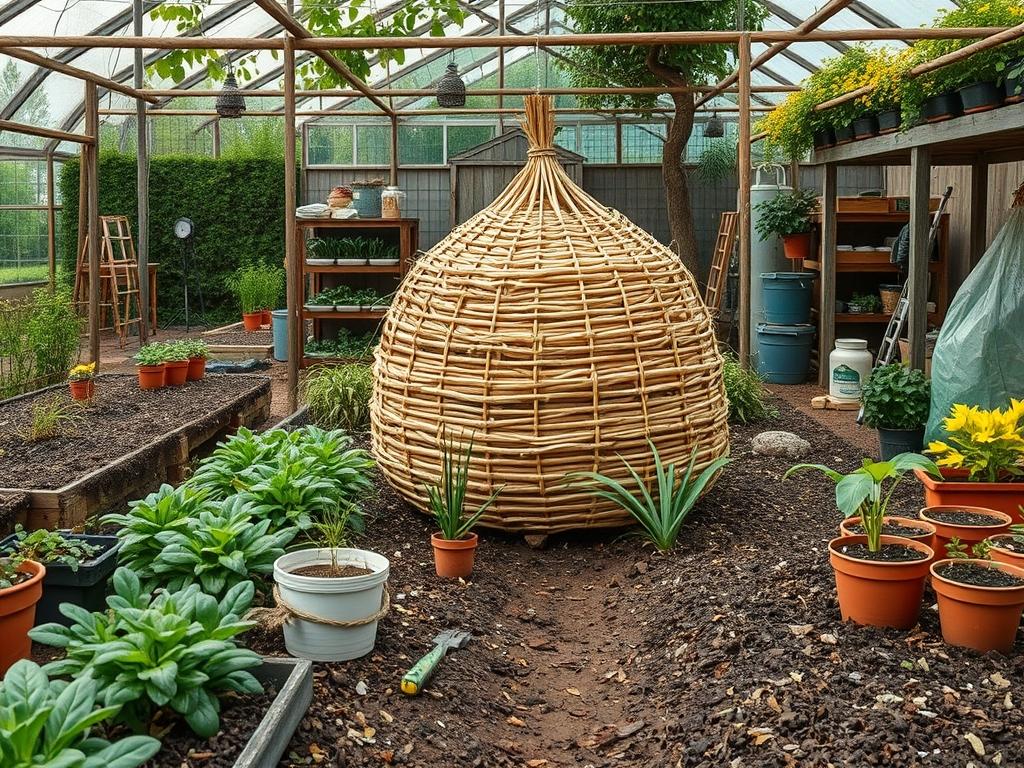
Integrating traditional apiary artifacts into modern horticulture represents more than a stylistic choice; it constitutes a deliberate return to ecological stewardship. The primary landscaping challenge involves marrying the rustic aesthetic of Straw Bee Skep Weaving with the precise requirements of a functional pollinator habitat. Most contemporary gardens suffer from a lack of architectural diversity, which often results in a visual monotony that fails to provide sanctuary for local fauna. By introducing the straw skep, a coiled, bell-shaped vessel traditionally made from long-stemmed rye straw and bramble bindings, designers create a compelling focal point that enhances curb appeal while serving a vital environmental purpose. This approach requires a careful balance of climate considerations, particularly regarding moisture management and UV exposure. A poorly placed skep will deteriorate within two seasons, whereas one integrated into a thoughtful garden plan can last for many years. Our goal is to synthesize these antique methods with high performance outdoor living standards, ensuring that the skep serves as a centerpiece within a sustainable, well-draining, and aesthetically balanced landscape.
Landscape Design Principles
In professional landscape architecture, the concept of a focal point is paramount. A hand-woven skep acts as a mid-level vertical element that bridges the gap between low-lying groundcovers and taller woody shrubs. To achieve symmetry, one might flank a central stone pedestal holding the skep with mirrored plantings of Lavandula angustifolia. Elevation layers are equally important to ensure the structure remains visible and protected. We recommend placing the skep on a raised stone plinth or a weather-resistant cedar platform to elevate it at least 12 inches above the mulch line. This elevation protects the organic fibers from ground moisture and provides a clear takeoff and landing zone for pollinators.
Irrigation planning must be surgical in these zones; overhead spray should never reach the rye straw. Instead, a subsurface drip irrigation system should be installed to hydrate the surrounding flora without compromising the integrity of the woven structure. Visual balance is maintained by grouping the skep with textural contrasts. The fine needles of Rosmarinus officinalis offer a sharp juxtaposition against the coarse, golden weave of the straw. Furthermore, the walkway leading to the apiary corner should be constructed from porous materials such as decomposed granite or irregular flagstone, allowing for natural drainage while guiding the viewer’s eye toward the artisan craftsmanship of the skep.
Plant and Material Selection
The success of a pollinator-centric landscape depends on the selection of species that provide a continuous nectar flow. When designing around a straw skep, the materials used for the structure itself must be as high quality as the plants surrounding it. Using harvested wheat straw or marsh grass ensures the skep is sturdy enough to withstand the elements.
| Plant Type | Sun Exposure | Soil Needs | Water Demand | Growth Speed | Maintenance Level |
| :— | :— | :— | :— | :— | :— |
| Monarda (Bee Balm) | Full Sun | Rich, Moist | Moderate | Fast | Medium |
| Echinacea (Purple Coneflower) | Full Sun | Well-Drained | Low | Moderate | Low |
| Borage (Borago officinalis) | Full/Partial | Average | Moderate | Fast | Low |
| Satureja montana (Winter Savory) | Full Sun | Gritty/Lean | Low | Slow | Low |
| Asclepias tuberosa (Butterfly Weed) | Full Sun | Sandy/Loamy | Low | Moderate | Low |
| Salvia nemorosa (May Night) | Full Sun | Well-Drained | Low | Fast | Medium |
Implementation Strategy
The creation of a dedicated pollinator sanctuary begins with proper site grading. The area intended for the skep must be graded at a 2 percent slope away from the center to prevent water from pooling at the base of the pedestal. Once the grade is established, the gardener should install a 6-inch gravel base topped with a retaining wall block or a natural boulder to provide the necessary elevation.
For the skep itself, the process of Straw Bee Skep Weaving involves using a fid, which is a tapered tool made of bone or wood, to create gaps in the straw coils for the binding material to pass through. Designers often use split bramble or rattan for these bindings. As you build the landscape around the skep, use steel edging to create a crisp border between the flower beds and the turf or walkway. This prevents invasive grass roots from encroaching on the pollinator plants.
When applying mulch, choose a triple-shredded hardwood mulch and maintain a depth of 3 inches. However, ensure the mulch is pulled back at least 4 inches from the base of the skep stand to avoid trapping moisture. Drainage is the most critical factor here; if the soil is heavy clay, incorporate organic compost and expanded shale to a depth of 12 inches to ensure the root systems of your nectar-rich plants do not rot during the rainy season.
Common Landscaping Failures
One of the most frequent mistakes in hobbyist apiary landscaping is improper spacing. Overcrowding plants too close to the skep inhibits airflow, which is essential for drying the straw after a rainstorm. Without adequate circulation, the rye straw will succumb to mildew and fungal decay. Another common failure is the neglect of soil compaction. In high traffic areas near the skep, the soil can become compacted, leading to poor drainage and stressed plants. Using a core aerator once a year can mitigate this issue.
Irrigation inefficiencies also rank high among common errors. Placing the skep within the reach of a standard oscillating sprinkler will destroy the fiber integrity of the straw weave within a single summer. Furthermore, many designers fail to account for root overcrowding. When planting aggressive species like certain mints near the skep, they can quickly overwhelm the more delicate nectar plants, creating a monoculture that provides less nutritional variety for bees. Finally, neglecting the “splashback” effect is a major oversight. If the skep is placed too close to bare dirt, heavy rain will splash mud onto the straw, leading to permanent staining and accelerated decomposition.
Seasonal Maintenance
Landscape management is a year round commitment, particularly when organic structures like straw skeps are involved. In the Spring, inspect the skep for any loose bindings or pest intrusions. This is the time to apply a pre-emergent weed control to the surrounding beds and to divide any overgrown perennials like Echinacea. Prune back the previous year’s dead growth to make room for new shoots.
During the Summer, focus on deadheading flowers to encourage a second flush of blooms. Monitor the irrigation system to ensure that the subsurface emitters are functioning correctly and that no water is spraying onto the straw. If the region experiences a severe drought, supplemental hand watering at the base of the plants may be necessary.
In the Autumn, the landscape requires preparations for the dormant season. Apply a fresh layer of hardwood mulch to insulate roots. This is also the best time to plant spring-flowering bulbs like Allium, which provide an early food source for bees. The skep itself may need to be moved to a dry shed or covered with a breathable burlap wrap if the winter is expected to be exceptionally wet.
The Winter months are for structural maintenance. While the garden is dormant, inspect the hardscaping, including the stone plinth and any retaining walls. Keep an eye on the skep for signs of rodent nesting. If the skep remains outdoors, ensure it is not sitting in a local low point where snowmelt might accumulate around the base.
Professional Landscaping FAQ
How long does a hand-woven straw skep last outdoors?
With a proper stone pedestal and protection from direct rain, a skep made from rye straw usually lasts three to five years. Ensuring proper airflow and using a copper cap on top can further extend its functional lifespan.
What is the best material for binding the straw coils?
Traditionally, split bramble or willow withes were used for their flexibility and strength. In modern applications, rattan or heavy-duty cane are excellent substitutes because they resist brittle fracturing in low humidity and provide a clean, professional finish.
Can I use a straw skep for actual honey production?
While historically used for colonies, modern regulations often require removable frame hives for disease inspection. Today, most landscape architects use skeps as decorative garden features or as temporary bait hives rather than for long-term honey production and harvesting.
How do I prevent the skep from blowing over in high winds?
The most effective method is to secure the skep to the pedestal using an internal anchor bolt or by weighting the interior with a heavy stone. Some designers also use galvanized wire discreetly tucked into the weave to tether it.
Which mulch is safest for a pollinator garden?
Avoid dyed mulches or those pre-treated with harsh chemicals. A natural cedar mulch or pine bark nuggets provide excellent moisture retention and weed suppression without introducing synthetic toxins that could harm the bees you are trying to attract.