
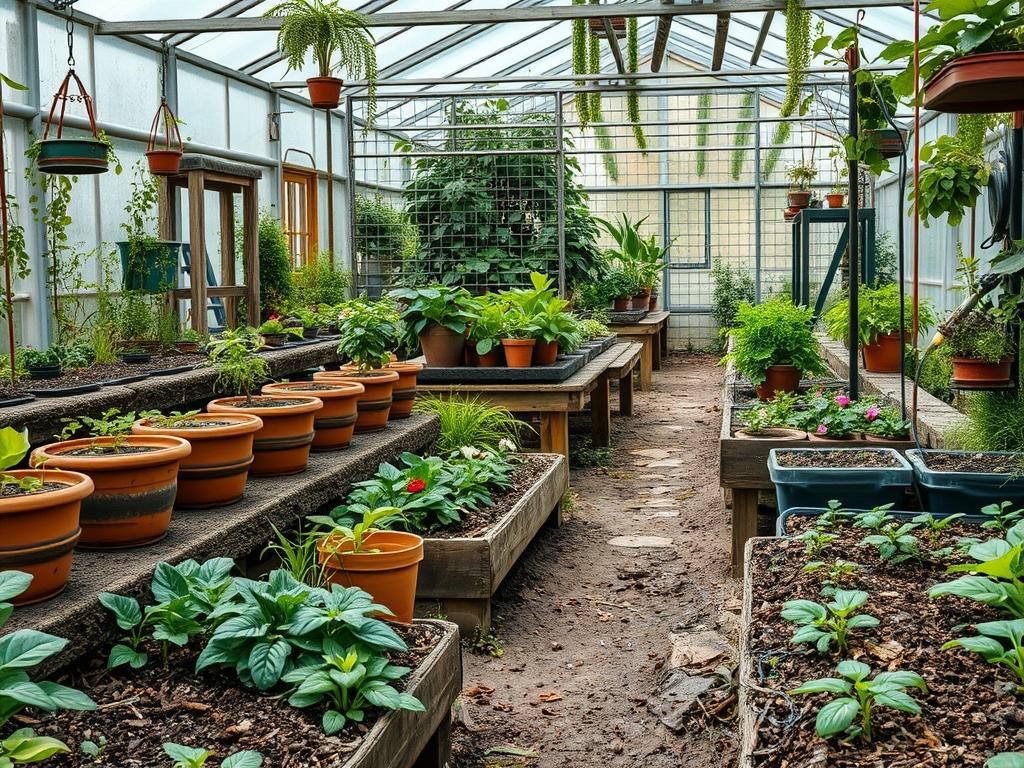
Designing a landscape that serves both aesthetic beauty and industrial utility requires a sophisticated understanding of biomass management and site engineering. For the ceramic artist or the homeowner interested in Traditional Ash Glazes, the garden is not merely a collection of decorative flora; it is a living laboratory of mineral chemistry. The primary landscaping challenge lies in selecting plant species that produce high-quality calcium, silica, and potassium once reduced to ash, while simultaneously ensuring the site maintains high curb appeal and proper outdoor functionality. Achieving this balance involves a strategic layout that accommodates timber growth, firewood seasoning, and safe combustion areas without compromising the visual harmony of the property. Climate considerations play a vital role here. A landscape in a temperate zone might focus on hardwoods like Oak or Maple, whereas a Mediterranean climate might leverage high-silica grasses or fruit wood.
Success in this specialized landscape design depends on how well the architect integrates the production cycle into the property flow. The goal is to create a space where the harvest of glaze materials feels like a natural extension of seasonal maintenance rather than a disruptive chore. This necessitates a focus on drainage, particularly around wood storage zones, and the clever use of elevation to separate utilitarian burn sites from social entertaining areas. By treating the garden as a source of raw artistic material, we can elevate a standard backyard into a productive estate that enhances the owner’s craft and the land’s value.
Landscape Design Principles
A professional landscape for ash production must adhere to the core principles of symmetry and focal points to maintain a sophisticated appearance. While a wood lot might otherwise look unrefined, framing it with formal walkways and structured borders transforms it into an intentional grove. Symmetry can be achieved by planting twin rows of Black Walnut or White Oak to flank a primary axis, leading the eye toward a central focal point such as a sculptural outdoor hearth or a custom-built kiln. This focal point serves a dual purpose: it acts as a visual anchor for the property and functions as the primary site for generating the raw ash required for ceramic glazes.
Elevation layers are equally critical in a potter’s garden. By using retaining walls constructed from natural stone or 10-gauge steel, designers can create terraced zones that allow for better management of different plant species. Higher elevations are ideal for deep-rooted hardwoods that prefer well-drained soil, while lower-lying areas can be used for moisture-loving grasses or shrubs that might contribute specific trace minerals to a glaze recipe. Irrigation planning must be meticulous. An automated drip irrigation system ensures that timber grows at a consistent rate, producing wood with a stable mineral profile. Furthermore, the inclusion of wide, reinforced permeable pavers or stone walkways ensures that heavy loads of timber can be transported from the cultivation zone to the processing area without causing soil compaction or ruts in the turf. Visual balance is maintained by mixing these functional elements with ornamental “buffer” plants, which soften the transition between the productive timber zones and the residential living spaces.
Plant and Material Selection
| Plant Type | Sun Exposure | Soil Needs | Water Demand | Growth Speed | Maintenance Level |
| :— | :— | :— | :— | :— | :— |
| White Oak | Full Sun | Well-drained, acidic | Moderate | Slow | Low |
| Common Apple | Full Sun | Rich, loamy | High | Moderate | High |
| Hard Maple | Partial Shade | Moist, fertile | Moderate | Moderate | Moderate |
| Bamboo | Full Sun | Any, consistently moist | Very High | Fast | High |
| Switchgrass | Full Sun | Adaptable, sandy | Low | Fast | Very Low |
| Grapevines | Full Sun | Deep, well-drained | Moderate | Fast | High |
| Silver Birch | Full Sun | Sandy, acidic | Moderate | Fast | Moderate |
Implementation Strategy
The implementation of a potter’s landscape begins with a precise site assessment and grading plan. To ensure the longevity of the wood harvest and the safety of the ash collection process, the land must be graded at a 2 percent slope away from any permanent structures or wood storage sheds. This prevents moisture accumulation, which can lead to fungal growth on the timber and negatively impact the purity of the resulting ash. After the initial grading, we move to hardscaping. A dedicated “processing pad” should be installed using crushed 3/4-inch gravel or reclaimed brick. This area serves as the site for splitting logs and drying the biomass before it is burned for glaze material.
The next step involves the installation of edging and mulch. Using 4-inch aluminum or steel edging creates crisp lines between the turf and the productive planting beds. In these beds, a heavy application of 3-inch organic bark mulch is essential to suppress weeds and retain moisture for young trees. However, near the burn site, organic mulch should be replaced with non-combustible materials like river rock or pea gravel for safety. Drainage must be addressed through the use of French drains or bioswales if the property has a high water table. This is especially important for the health of hardwood species, which require oxygenated root zones to produce the dense cellular structure ideal for high-yield ash production. Finally, the planting phase should follow a tiered approach, placing the tallest trees at the perimeter to act as a windbreak and privacy screen, while smaller shrubs and grasses occupy the mid-ground.
Common Landscaping Mistakes
One of the most frequent failures in a production-oriented landscape is improper drainage around the storage and processing zones. If timber intended for Traditional Ash Glazes sits in standing water, it absorbs excess iron and local contaminants from the soil, which can unpredictably color the final ceramic piece. Another common issue is root overcrowding. Designers often plant trees too close together to achieve an immediate “full” look, but this leads to competition for nutrients and results in pithy wood with irregular mineral concentrations. A minimum spacing of 15 to 20 feet is recommended for most hardwood species to allow for proper canopy development and airflow.
Soil compaction is another silent killer of landscape productivity. Heavy machinery used during the construction of retaining walls or patios can crush the delicate pore spaces in the soil, preventing roots from accessing water and air. Professionals should use aeration tools or incorporate expanded shale to remedy compacted areas before planting. Irrigation inefficiencies also pose a threat. Over-watering can lead to root rot, while under-watering stunts growth, making the wood less efficient for fuel. Lastly, many hobbyists fail to account for the clearance required for maintenance. A workspace that is too cramped prevents the use of a wood splitter or a wheelbarrow, making the garden more of a burden than a benefit.
Seasonal Maintenance
Spring is the season for revitalization and soil preparation. This is the time to apply a balanced, slow-release fertilizer to the timber groves to encourage the uptake of minerals that will eventually end up in the glaze. Pruning should be completed before the first buds break, with the resulting “brush” being sorted and stored for high-silica ash production. Inspect the irrigation lines for leaks caused by winter freezes and ensure the emitters are clear of debris.
Summer maintenance focuses on moisture management and pest control. During periods of high heat, hardwood trees may require deep watering sessions to prevent stress. This is also the time to manage the floor of the timber grove; keeping the grass mowed or the mulch refreshed prevents fire hazards during the dry months. Autumn is the primary harvest window. As the sap begins to descend, the wood contains a different mineral profile than in the spring. Felled timber should be cut to 16-inch lengths and stacked in a “cord” configuration to allow for maximum airflow.
Winter is the season of processing and reflection. With the landscape dormant, the artist can focus on burning the seasoned wood in a controlled environment to collect the ash. It is vital to clean out the fire pit or kiln after every burn to prevent the accumulation of moisture in the ash, which can cause the minerals to leach out over time. This cycle ensures a continuous supply of material while keeping the landscape tidy and prepared for the next growing season.
Professional Landscaping FAQ
How does wood species affect glaze color?
Different trees possess unique mineral concentrations. For instance, Oak often produces a high-calcium ash resulting in stable, honey-colored glazes, while Apple wood can introduce trace amounts of iron or phosphorus, creating more complex, mottled textures and hues in the kiln.
Can I use any outdoor fire pit for ash collection?
A dedicated pit with a clean, non-porous base is required. Avoid pits using zinc-coated liners or treated wood, as these introduce heavy metals and chemicals that will contaminate the ash and ruin the chemical balance of your Traditional Ash Glazes.
What is the best way to store harvested wood?
Wood should be kept off the ground using pressure-treated runners or a concrete pad. Covering the top of the stack with a tarp while leaving the sides open allows for evaporation. Ensure the stack receives at least six hours of sun.
How do I prevent ash from blowing away?
When burning biomass in the landscape, use a screened enclosure or a high-walled hearth. Once the fire is extinguished and cool, collect the ash immediately into a 5-gallon stainless steel bucket with a tight-fitting lid to keep it dry and contained.
Does soil pH affect the quality of the ash?
Yes. The minerals the tree absorbs are dictated by the soil chemistry. Amending your soil with specific minerals can theoretically influence your glaze results. Regular soil testing helps maintain the health of the trees and the consistency of your glaze materials.