
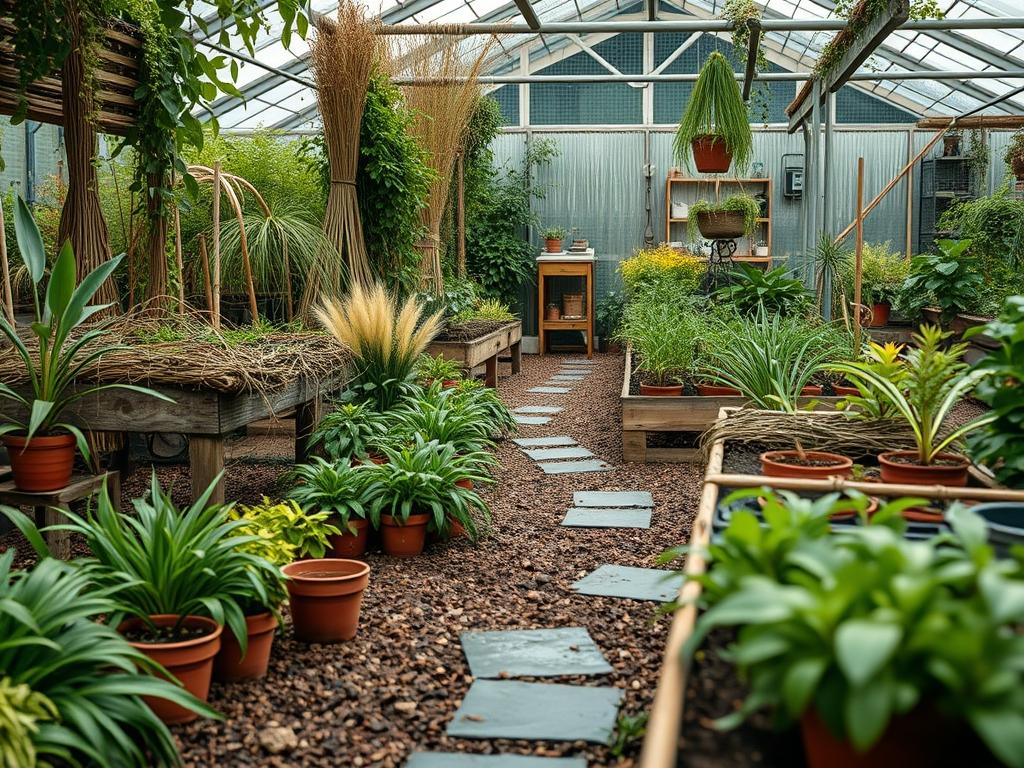
Integrating organic elements into a modern landscape requires a delicate balance between structural rigidity and natural fluidity. Traditional willow weaving provides an elegant solution to the common challenge of creating functional boundaries that do not feel sterile or overly industrial. For many homeowners and designers, the goal is to enhance curb appeal while maintaining a sustainable, low-impact footprint. Unlike pressure-treated timber or steel fencing, willow structures offer a soft, woven texture that filters the wind rather than blocking it entirely. This aerodynamic property reduces turbulence within the garden and protects delicate understory plants. Furthermore, these structures can be adapted to various climate conditions, provided the ground offers adequate moisture for living installations or proper drainage for dried applications. By mastering the art of the weave, a landscape architect can turn simple willow rods into sophisticated privacy screens, arches, and raised beds that evolve with the seasons.
Landscape Design Principles
Successful integration of traditional willow elements depends on a firm grasp of landscape design principles. Symmetry is often used in formal garden layouts where a series of willow hurdles can define a pathway with mathematical precision. However, in more naturalistic or cottage-garden designs, asymmetrical weaving can create a relaxed, organic feel. Identifying a focal point is essential. A large willow obelisk placed at the end of a sightline or in the center of a circular lawn provides a sense of purpose and destination. This verticality is a key component of elevation layering. By using willow to create mid-level structures, you bridge the gap between low-growing ground covers and high tree canopies; this creates a cohesive visual journey for the eye.
Walkways should be planned with the thickness of the willow structures in mind. A standard willow screen can be 4 inches to 8 inches thick once the upright stakes, or zale, are accounted for. Proper irrigation planning is also vital. If you are planting a living willow fence, also known as a fedge, it will require a dedicated drip line to ensure the cuttings establish deep root systems. Visual balance is achieved by mirroring the height of the willow structure with appropriate plantings on the opposite side of the garden. For example, a 6-foot willow screen might be balanced by a row of medium-sized shrubs like Cornus alba. This prevents the landscape from feeling lopsided or top-heavy.
Plant and Material Selection
Selecting the right variety of willow is the difference between a structure that lasts a decade and one that fails in a single season. The table below outlines the best materials and companion plants for weaving projects.
| Plant Type | Sun Exposure | Soil Needs | Water Demand | Growth Speed | Maintenance Level |
| :— | :— | :— | :— | :— | :— |
| Salix viminalis | Full Sun | Moist, Clay | High | Very Fast | Moderate |
| Salix purpurea | Full Sun / Part Shade | Well-drained | Moderate | Fast | Low |
| Salix triandra | Full Sun | Loamy, Wet | High | Moderate | Moderate |
| Cornus sanguinea | Full Sun / Part Shade | Any | Moderate | Medium | Low |
| Viburnum opulus | Full Sun / Part Shade | Moist | Moderate | Medium | Low |
| Clematis montana | Full Sun (Roots in Shade) | Rich, Moist | Moderate | Fast | Moderate |
When sourcing materials, professional landscapers prioritize willow withies that have been harvested during the dormant season. For non-living structures, the rods must be soaked in a soaking tank for several days to regain their flexibility. For living structures, the cuttings should be at least 12 inches long to ensure they can be pushed deep into the soil to reach moisture.
Implementation Strategy
The implementation of traditional willow weaving begins with site preparation and layout planning. First, use a line level and marking paint to define the exact footprint of the structure. If you are building a fence, proper grading is necessary to ensure the bottom of the weaving does not sit in standing water; this prevents premature rot. For living willow, the soil should be turned to a depth of 18 inches and enriched with organic matter.
Once the site is prepared, the first step is to install the upright supports. In non-living hurdles, these are often made of sweet chestnut or oak posts driven 15 inches into the ground using a heavy maul. In living structures, larger willow poles act as the primary vertical anchors. Use a spade to create a narrow trench for the edging. This allows you to bury the first few layers of the weave slightly below ground level, providing extra stability.
The weaving process typically involves techniques such as randing, where a single rod goes in front of one upright and behind the next, or waling, where three rods are used simultaneously to create a strong, rope-like twist. To maintain a professional finish, keep your rows tight by tapping them down with a wooden block. Drainage is handled by ensuring a slight slope away from the base and using a 2-inch layer of bark mulch to suppress weeds and retain moisture. Hardscaping elements, such as stone paths or brick edging, should be installed after the heavy weaving is complete to avoid damage from foot traffic.
Common Landscaping Failures
One of the most frequent failures in willow weaving is poor drainage management. While willow loves water, the base of a dried willow structure will rot rapidly if it is subjected to constant saturation. Elevating the bottom of the weave or using a gravel base can mitigate this risk. Another common issue is root overcrowding in living willow projects. Because willow is an aggressive grower, planting the stakes too close together can lead to a lack of airflow, which encourages fungal diseases like rust. Proper spacing is usually 6 inches to 12 inches between uprights.
Soil compaction is another silent killer. If the soil around the base of a living willow structure is compacted during the construction process, the new roots will struggle to penetrate the earth, leading to stunted growth or death during a dry summer. Landscapers must also be wary of irrigation inefficiencies. Relying on overhead sprinklers often leaves the center of the weave dry while keeping the leaves too wet; a targeted drip system is always the superior choice. Finally, failing to secure the horizontal rods correctly can cause the structure to unravel as the wood dries and shrinks over time.
Seasonal Maintenance
Seasonal care ensures that your traditional willow weaving remains a structural highlight for years to come. In the spring, living willow structures require significant attention. This is the time to prune back new growth to maintain the shape of the structure and to weave any flexible new shoots back into the existing frame. Applying a high-nitrogen fertilizer will help the willow rods regain their vigor after the winter.
During the summer, the primary focus is hydration. Living willow can transpire a massive amount of water in high heat. Ensure the drip irrigation system is running efficiently and check for pests like aphids. For dried willow hurdles, summer is the time to apply a protective coating of linseed oil mixed with turpentine to prevent the wood from becoming too brittle in the sun.
In the autumn, clear away fallen leaves from the base of the structures. Trapped damp foliage can lead to localized rot in the willow. This is also the best time to plan for any structural repairs. If any rods have snapped or decayed, they can be removed and replaced once the new harvest becomes available.
Winter is the season for heavy maintenance and harvesting. This is when living willow is dormant and can be cut back hard without damaging the plant. Use sharp secateurs to remove any dead or diseased wood. For non-living structures, check the stability of the support posts. The freeze and thaw cycles of winter can sometimes heave posts out of the ground; a quick firming up with a tamper will keep the boundaries secure.
Professional Landscaping FAQ
How long does a traditional willow fence typically last?
A well-maintained, non-living willow fence usually lasts between 5 and 7 years. Applying a preservative like linseed oil can extend this lifespan. Living willow structures can last for decades as long as they are pruned and watered regularly.
Can I use any willow species for weaving?
No, only specific varieties like Salix viminalis or Salix purpurea have the necessary flexibility. Other species may be too brittle and will snap when bent at sharp angles. Professional weavers prioritize varieties known for long, slender, and unbranched rods.
How do I prevent my living willow from overgrown heights?
Consistent pruning is the only way to manage height. You must trim the top of the structure every winter during dormancy. You can also weave the new growth back down into the fence to increase density instead of allowing it to grow upward.
Does willow weaving require special tools?
Beyond standard garden equipment, you specifically need sharp secateurs, a billhook for heavy cutting, and a stripping tool if you want white willow. A soaking bag or trough is also essential for making dried willow pliable enough for intricate work.
Is willow weaving suitable for small urban gardens?
Yes, it is excellent for small spaces because it provides a slim vertical profile. You can create custom-sized willow obelisks or thin screens that offer privacy without the bulk of traditional timber panels, making the garden feel larger and more open.