
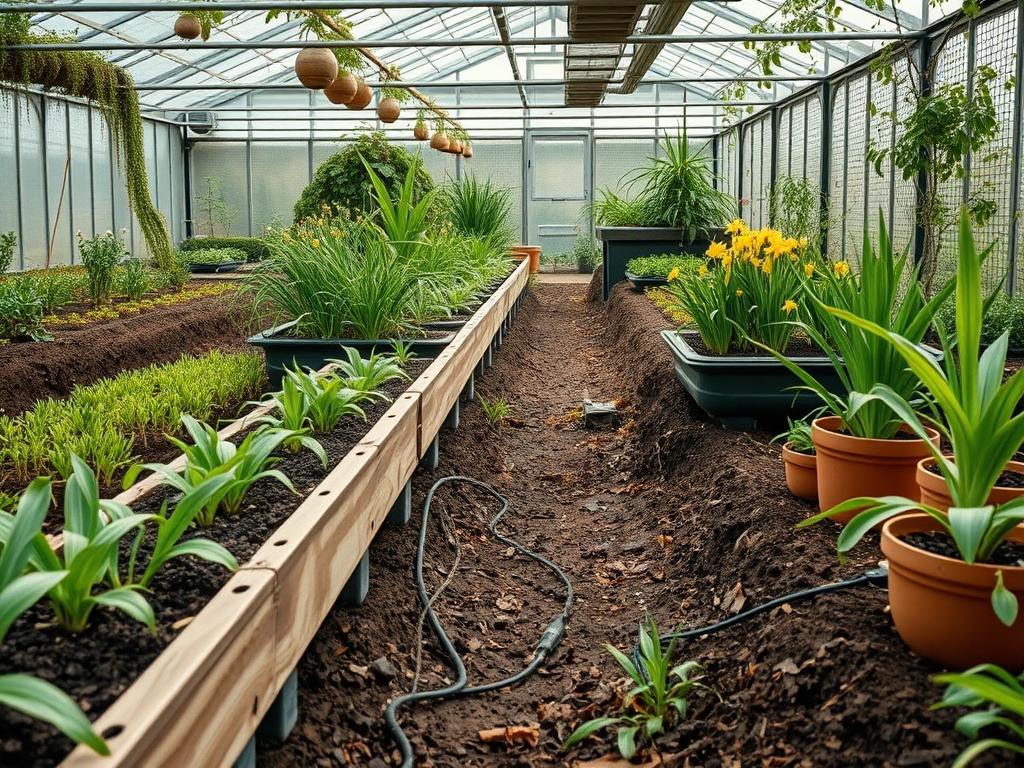
Saving rare flower bulbs is an essential venture for any landscape architect who aims to preserve genetic diversity and historical plant varieties within a private estate or public botanical garden. These botanical treasures often serve as the cornerstone of seasonal interest, providing unique textures and colors that common nursery stock cannot replicate. However, the survival of these specimens relies heavily on the technical process of division. As bulbs mature, they naturally multiply by producing offsets. If left unattended, these clusters become congested, leading to nutrient competition, stunted growth, and a significant decline in floral production. For a high-end landscape, this translates to patchy curb appeal and a failure to meet the aesthetic goals of the outdoor space. Proper division is not merely a maintenance task, it is a strategic intervention that revitalizes the plant, ensures long term health, and allows for the expansion of the variety across different garden zones.
Successfully integrating these rare specimens requires a deep understanding of the local microclimate and site specific drainage profiles. When planning a landscape that features rare bulbs, one must consider the functional goals of the space, such as outdoor living usability and visual harmony. The challenge lies in the fact that many rare bulbs are temperamental. They require specific soil conditions and precise moisture levels that must be balanced with the needs of neighboring perennials and shrubs. By saving rare flower bulbs through careful division, a designer can create a sense of continuity throughout the property, using the divided stock to echo colors and forms in multiple garden beds. This approach not only preserves the investment in expensive plant material but also creates a more cohesive and mature landscape design.
Landscape Design Principles
In professional landscape architecture, the placement of rare bulbs must adhere to fundamental design principles to ensure they provide maximum impact. Symmetry is often used in formal gardens where rare species, such as Fritillaria imperialis, act as vertical sentinels along a primary axis. Because these bulbs are often expensive and difficult to source, using them as focal points ensures they receive the attention they deserve. For example, placing a cluster of rare Tulipa humilis at the intersection of two flagstone walkways draws the eye downward and invites closer inspection of the intricate bloom details.
Elevation layers are another critical consideration. Rare bulbs should be planted in a way that respects their eventual height and the height of the surrounding canopy. A tiered planting plan might place low growing Galanthus (snowdrops) in the foreground, followed by mid sized rare narcissus varieties, with taller ornamental grasses or shrubs providing a backdrop. This layering creates depth and visual balance. Irrigation planning is equally vital; rare bulbs must be placed in hydrozones that match their specific water requirements. Overwatering is the primary cause of bulb rot, so integrating these plants near retaining walls or on sloped areas can naturally facilitate the necessary drainage.
Plant and Material Selection
The following table outlines several rare or high value bulbs and their specific environmental requirements to ensure successful establishment and future division.
| Plant Type | Sun Exposure | Soil Needs | Water Demand | Growth Speed | Maintenance Level |
| :— | :— | :— | :— | :— | :— |
| Fritillaria meleagris | Partial Shade | Moist, loamy | Medium-High | Moderate | High |
| Lilium martagon | Dappled Sun | Alkaline, rich | Moderate | Slow | Medium |
| Iris reticulata ‘Sheila Ann Germaney’ | Full Sun | Well-drained, gritty | Low | Fast | Low |
| Galanthus elwesii | Part Shade | Humus-rich, moist | Medium | Moderate | Medium |
| Tulipa sprengeri | Full Sun | Sandy, sharp drainage | Low | Slow | High |
| Erythronium revolutum | Shade | Acidic, woodland soil | Medium-High | Slow | Medium |
Implementation Strategy
The process of saving rare flower bulbs begins with a comprehensive backyard or garden layout plan. Before any digging occurs, the site must be graded to ensure that water moves away from the bulb clusters. Once the foliage of the bulbs has yellowed and died back, typically in late spring or summer, it is time to lift them. Using a stainless steel garden fork, carefully loosen the soil in a wide circle around the colony to avoid nicking the mother bulbs. Once the soil is loose, lift the entire mass and gently shake away the earth.
The division itself should be done by hand or with a sterilized hori-hori knife to separate the small offsets from the primary bulb. Each offset must have a portion of the basal plate to grow roots successfully. After division, soil preparation is paramount. Incorporate leaf mold, coarse sand, and a balanced organic bulb fertilizer into the planting hole. When replanting, maintain a depth of approximately three times the height of the bulb. Edging the beds with steel or cedar edging helps prevent grass encroachment and clearly defines the bulb zones. Finally, apply a 2 inch layer of hardwood mulch to regulate soil temperature and retain essential moisture without suffocating the dormant plants.
Common Landscaping Failures
One of the most frequent mistakes in bulb management is failing to address soil compaction. In high traffic areas or near new construction, the soil is often pressed so tightly that the delicate roots of rare bulbs cannot penetrate the earth, and oxygen cannot reach the basal plate. This leads to a slow decline and eventual death of the specimen. Another common error is improper spacing. While a dense planting looks beautiful in the first year, rare bulbs that are not given enough room will quickly become overcrowded, requiring division much sooner than anticipated.
Drainage mistakes remain a leading cause of failure for saving rare flower bulbs. Many enthusiasts plant rare species in low lying areas where water collects after a heavy rain. Without a proper French drain or elevated raised bed, the bulbs will sit in stagnant water and rot during their dormancy. Furthermore, irrigation inefficiencies, such as pointing high flow sprinkler heads directly at bulb beds, can lead to fungal diseases like botrytis. Professional designers avoid these pitfalls by matching the plant to the specific drainage capacity of the site and ensuring that root zones are not overcrowded by aggressive groundcovers.
Seasonal Maintenance
Landscape management for rare bulbs is a year round commitment that changes with the seasons. In the spring, the focus is on monitoring growth and applying a light application of bone meal as the first shoots emerge. This provides the phosphorus needed for strong bloom development. Once the flowering period ends, the foliage must be left intact until it has completely withered, as this allows the bulb to store energy for the following year.
Summer is the primary window for lifting and saving rare flower bulbs through division. During this dormant phase, the bulbs can be handled with minimal stress. In the autumn, the focus shifts to planting the new divisions and ensuring they are settled before the ground freezes. A fresh application of mulch in late autumn provides the necessary insulation against extreme temperature fluctuations. Winter maintenance is largely passive; however, it is important to ensure that heavy snow piles from cleared walkways are not dumped onto rare bulb beds, as the weight and road salt can damage the soil structure and chemistry.
Professional Landscaping FAQ
How often should rare flower bulbs be divided?
Most rare species require division every three to five years. Signs of overcrowding include diminished flower size, fewer blooms per stem, and foliage that appears stunted or yellowed early in the season despite adequate water and nutrients.
What tools are best for dividing delicate bulbs?
A narrow hand trowel and a sharp garden knife are essential for precision. Using a large spade can easily slice through rare bulbs, so smaller, hand held instruments allow for a more tactile and controlled separation process.
Can rare bulbs be divided while they are in bloom?
It is highly discouraged. Dividing bulbs during their active flowering stage redirects energy away from the bloom and root development toward recovering from transplant shock. It is best to wait for the dormancy period after foliage has died back.
How deep should I replant the divided offsets?
Small offsets should be planted slightly shallower than the mature mother bulbs, typically at a depth of two to four inches. As they grow and mature over several seasons, they will naturally pull themselves to the appropriate depth.
What is the best way to store bulbs before replanting?
If you cannot replant immediately, store the bulbs in a cool, dry place inside a breathable container like a mesh bag or a box filled with dry peat moss. Avoid plastic bags, which trap moisture and cause rot.