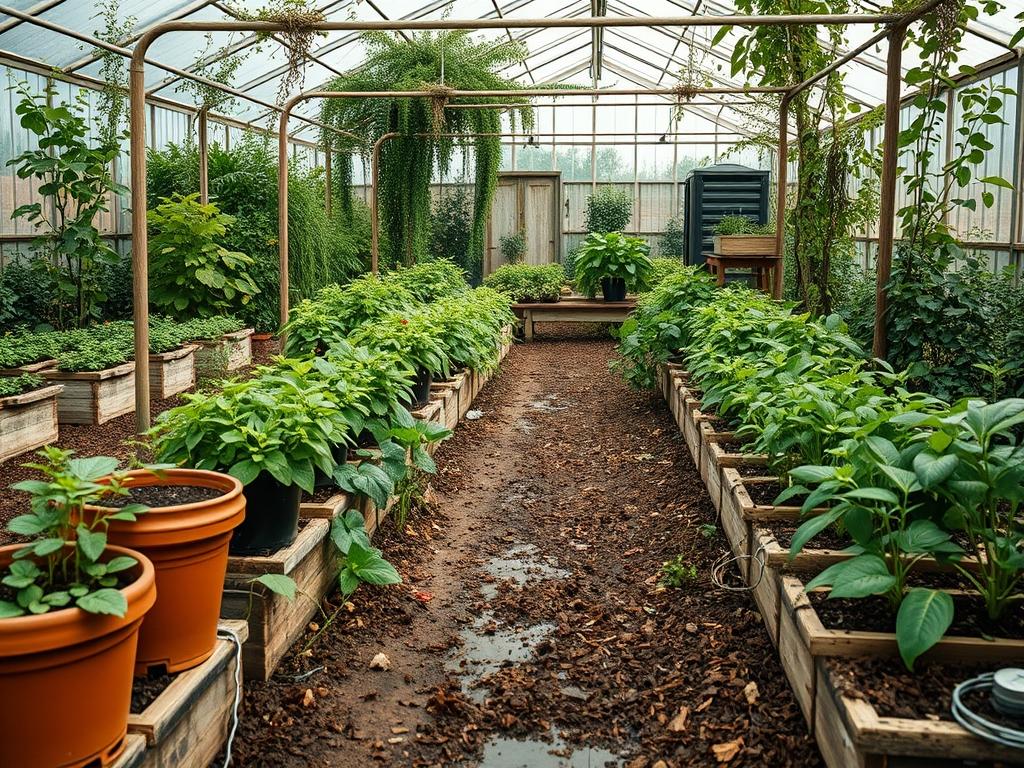
Designing a productive landscape for traditional herb distilling requires a sophisticated understanding of both horticulture and industrial workflow. Unlike a purely ornamental garden, a distillation-focused environment must balance the aesthetic beauty of aromatic plants with the logistical requirements of high-volume harvesting and processing. The primary challenge involves creating a site that facilitates the high essential oil content of the plants while maintaining a professional curb appeal that enhances property value. Climate considerations are paramount; most oil-bearing herbs, such as Lavandula and Rosmarinus, thrive in Mediterranean conditions characterized by lean soil and intense sunlight. If the landscape does not offer natural drainage, the architect must engineer solutions to prevent root rot and maximize the concentration of aromatic compounds. The ultimate goal is to create a functional outdoor laboratory that feels like a sanctuary, where the transition from the growing beds to the distillation area is both efficient and visually harmonious.
Landscape Design Principles
Effective design for a production garden begins with the concept of axial symmetry, which allows for easy movement between rows of crops and the central processing area. Focal points should be used to anchor the space. In a distilling landscape, the primary focal point is often the distillation station itself, perhaps housed under a timber-frame pavilion or on a raised flagstone patio. This area requires a level surface and proximity to a clean water source for the condenser unit. Elevation layers play a critical role in both drainage and visual depth. By using retaining walls or terraced beds, a designer can ensure that herbs like Thymus and Salvia are never sitting in stagnant water. These elevation changes also allow the gardener to harvest without excessive bending, improving the ergonomic functionality of the space.
Irrigation planning must be invisible yet precise. Sub-surface drip systems are preferred, as overhead watering can damage delicate flowers and lead to fungal issues that ruin the quality of the essential oils. Walkways should be wide enough to accommodate a harvesting cart, ideally 36 to 48 inches in width. Materials for these paths should be permeable, such as crushed granite or pea gravel, to prevent runoff and help reflect heat back onto the plants. Visual balance is achieved by mixing the structured rows of the production area with softer, more organic perimeter plantings of native shrubs that provide a windbreak and habitat for pollinators.
Plant and Material Selection
The choice of plant material is the most vital step in supporting traditional herb distilling. Each species must be selected based on its oil yield and its ability to thrive in the specific soil profile of the site. The following table outlines the requirements for primary distillation crops.
| Plant Type | Sun Exposure | Soil Needs | Water Demand | Growth Speed | Maintenance |
| :— | :— | :— | :— | :— | :— |
| Lavandula angustifolia | Full Sun | Well-drained, sandy | Low | Moderate | Medium |
| Rosmarinus officinalis | Full Sun | Rocky, alkaline | Very Low | Fast | Low |
| Mentha piperita | Partial Shade | Rich, loamy, moist | High | Very Fast | High |
| Salvia sclarea | Full Sun | Poor to average | Moderate | Moderate | Moderate |
| Cymbopogon | Full Sun | Fertile, moist | High | Fast | Medium |
| Melissa officinalis | Full Sun/Part Shade | Loamy, well-draining | Moderate | Fast | Moderate |
Beyond the plants, the materials used for hardscaping must be durable and heat-resistant. Natural stone, terracotta, and untreated cedar are excellent choices that complement the organic nature of the work. For the distillation pad, a non-combustible material like concrete or natural slate is necessary to safely support the heat source used for the still.
Implementation Strategy
The first step in physical implementation is accurate site grading. A professional landscape should have a 2 percent slope away from any structures to ensure that heavy rainfall does not pool near the distillation equipment or the foundations of the home. Once the grading is established, workers should install French drains or bioswales if the property has a high water table. After the drainage infrastructure is in place, the layout of the beds can be marked using surveyor stakes and string lines.
Edging is crucial for maintaining clean lines and preventing the encroachment of lawn grass into the herb beds. Use 4-inch steel edging or heavy-duty aluminum to create a sharp, permanent barrier. When preparing the soil, avoid high-nitrogen fertilizers which can lead to rapid growth with low oil concentration. Instead, incorporate 1 inch of organic compost and ensure the soil is loosened to a depth of 12 inches to allow for deep root penetration.
Hardscaping should be installed before any planting begins. This includes the distillation pad and any permanent walkways. If you are using flagstone, ensure it is set on a base of 4 inches of compacted gravel and 1 inch of leveling sand. Once the structural elements are set, the herbs can be installed. Mulch selection depends on the plant; Mediterranean herbs prefer 1 to 2 inches of pea gravel or crushed oyster shells to reflect light and keep the root crown dry, while moisture-loving herbs like Mentha do better with shredded hardwood mulch.
Common Landscaping Failures
The most frequent mistake in designing a garden for traditional herb distilling is poor drainage. Many enthusiasts plant lavender or rosemary in heavy clay soils without amending them. This leads to root rot during the winter months, effectively killing the production capacity of the garden. Another common issue is root overcrowding. While a dense garden looks beautiful in its first year, high-yield herbs require significant airflow to prevent powdery mildew. Space large shrubs like Rosmarinus at least 3 to 4 feet apart from center to center.
Soil compaction is another silent killer. If heavy machinery is used during the construction of the landscape without proper remediation, the soil will lack the pore space necessary for root respiration. This can be mitigated by using a broadfork to loosen the soil without flipping the layers. Finally, irrigation inefficiencies often result in “lazy” root systems. If a system provides frequent, shallow watering, the plants will not develop the deep roots needed to survive periods of heat stress, which is often when essential oil production is at its peak.
Seasonal Maintenance
Spring maintenance involves a thorough assessment of winter damage and the first round of pruning. For woody herbs, prune back a third of the previous year’s growth to encourage new, oil-rich stems. Check the drip irrigation system for leaks or clogged emitters before the heat of summer arrives. In the summer, the focus shifts to harvesting. This is the peak season for traditional herb distilling, and the landscape must be kept clear of debris to allow for efficient movement. Monitor for pests but avoid chemical pesticides that could contaminate the distilled oils.
Autumn is the time for soil replenishment and preparation for dormancy. Apply a thin layer of compost or bone meal around the base of the plants, but avoid high-output fertilizers that might trigger new growth before the first frost. Winter maintenance is largely about protection. In colder climates, use burlap wraps for sensitive species and ensure that the distillation equipment is properly winterized and stored. Clearing snow from walkways is important to prevent ice buildup that could damage the flagstone or pavers.
Professional Landscaping FAQ
How large should my distillation garden be?
A functional production area usually requires at least 500 square feet to yield enough plant material for several liters of essential oil. This size allows for crop rotation and adequate spacing for healthy, high-yield plants.
What is the best material for a distillation pad?
A level concrete slab or natural flagstone set in mortar is ideal. The surface must be non-combustible, easy to clean, and capable of supporting the weight of a heavy copper still and a full cooling tank.
Can I grow distilling herbs in containers?
Yes, though the volume may be limited. Use terracotta pots at least 18 inches in diameter to allow for root expansion. Ensure the potting mix is highly permeable, using a blend of perlite and coarse sand.
How do I manage weeds without chemicals?
Utilize geotextile fabric under your gravel paths and maintain a consistent 2-inch layer of mulch in the planting beds. Manual weeding with a hula hoe or hand weeder is most effective for preventing competition for nutrients.
Does soil pH affect essential oil quality?
Absolutely. Most traditional distillation herbs prefer a slightly alkaline pH between 6.5 and 7.5. If your soil is too acidic, incorporate dolomitic lime to raise the pH level before planting your herb crop.