
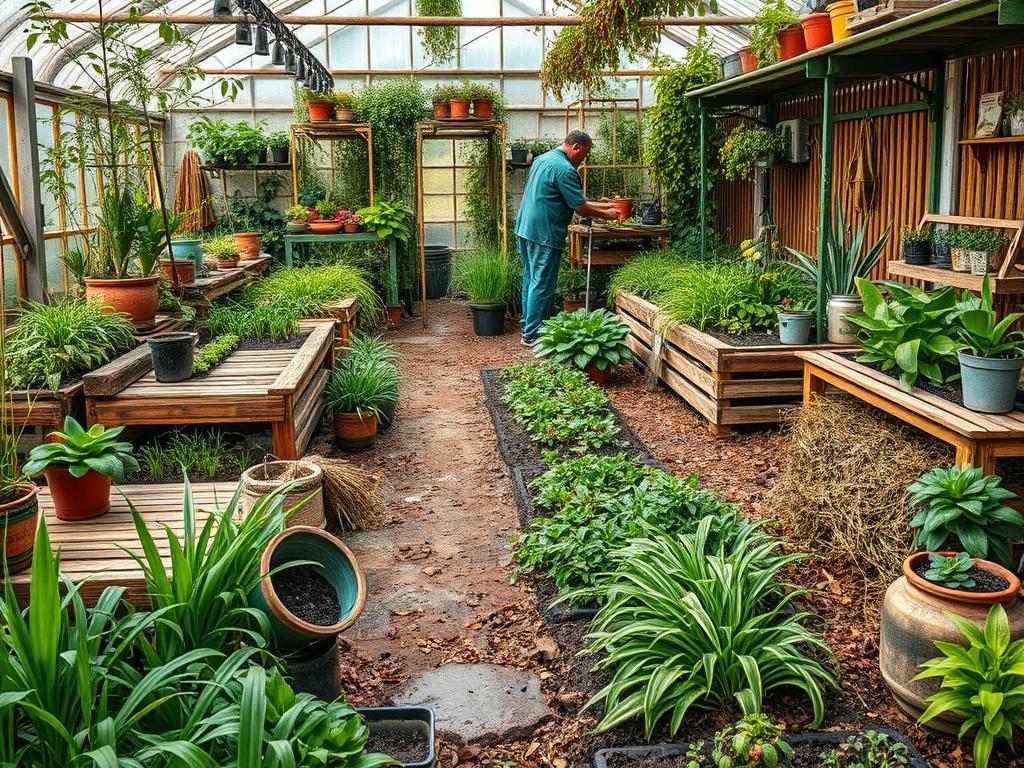
Integrating organic textures into a modern landscape requires a delicate balance between structural permanence and the ephemeral beauty of natural fibers. Many homeowners face the challenge of creating outdoor seating that feels grounded in the environment rather than appearing as a plastic or metal intrusion. Traditional Reed Mats offer a sophisticated solution to this problem, providing a breathable, sustainable material that harmonizes with both minimalist and cottage-style gardens. When planning a high-end outdoor environment, every element must contribute to the overall curb appeal and functionality of the space. These hand-woven accents serve as functional art, cooling the skin in the peak of summer and offering a tactile connection to the heritage of land management.
By utilizing reeds harvested from local wetlands or water features, a landscape architect can create a “closed-loop” design where the garden provides the very materials used for its furnishing. This approach addresses the increasing demand for climate-conscious landscaping that utilizes thermal-efficient materials to mitigate the heat island effect found in urban backyards. Beyond the aesthetic considerations, the presence of reed-based seating areas transforms a standard patio into a multisensory experience, dampening harsh acoustic reflections and introducing a subtle, earthy scent that deepens the immersion into the private sanctuary.
Landscape Design Principles
Effective landscape design relies on the core principle of symmetry to create a sense of order and tranquility. When placing garden seating upholstered with Traditional Reed Mats, the orientation should follow the primary sightlines of the property. Architects often use these seating areas as focal points at the end of a long axis, drawing the eye through a series of elevation layers. By varying the height of planting beds and retaining walls, you can frame the seating area, making it feel like a protected “outdoor room.” This sense of enclosure is vital for psychological comfort in a garden, providing a refuge from the wind and visual noise of the surrounding neighborhood.
Visual balance is achieved by pairing the lightweight, vertical texture of reed mats with heavier structural elements like Natural Stone Pavers or Concrete Retaining Walls. In a well-designed space, the irrigation planning must account for these organic features. Water should be diverted away from seating platforms through precise grading and the installation of French Drains to prevent the reed fibers from remaining in contact with standing water. Walkways should be planned to flow naturally toward these social hubs, using a mix of Crushed Granite or Decomposed Granite to provide a firm, well-draining transition from the lawn to the seating area.
Plant and Material Selection
Choosing the right flora to surround a seating area is critical for both the longevity of the reed mats and the atmospheric quality of the space. The following materials and plants are commonly used in the construction and surrounding environment of traditional woven installations.
| Plant Type | Sun Exposure | Soil Needs | Water Demand | Growth Speed | Maintenance Level |
| :— | :— | :— | :— | :— | :— |
| Common Reed (Phragmites) | Full Sun | Wet, Boggy | High | Fast | Moderate |
| Narrow-Leaved Cattail | Full Sun | Saturated | High | Fast | High |
| Blue Oat Grass | Full Sun | Well-Drained | Low | Medium | Low |
| Giant Miscanthus | Full/Partial Sun | Loamy, Moist | Moderate | Fast | Low |
| Sedge (Carex) | Partial Shade | Moist | Moderate | Medium | Low |
| Japanese Forest Grass | Full Shade | Rich, Humus | Moderate | Slow | Medium |
For the mats themselves, the primary material is usually the Common Reed. This plant provides a sturdy stalk that, when harvested at the peak of maturity, resists crushing and maintains structural integrity for several seasons. Other essential materials include Hemp Twine or Jute Cord for the warp, Linseed Oil for weatherproofing, and Cedar Timber for the underlying support frames.
Implementation Strategy
The process begins with thorough site preparation. Grading the seating area is the first step; ensure a 2 percent slope away from the center of the seating zone to facilitate drainage. Once the ground is leveled, a layer of Landscape Fabric should be installed, followed by 3 inches of compactable gravel to serve as a base for the seating frame. This prevents ground moisture from wicking up into the Traditional Reed Mats, which would lead to rapid organic decomposition.
To weave the mats, first harvest the reeds when they reach a diameter of approximately 0.25 inches. Strip the leaves and allow the stalks to dry in a shaded, well-ventilated area for 14 days. Construct a simple loom using 2×4 Pressure-Treated Lumber to hold your vertical warp threads tensioned. Space the Jute Twine every 4 inches across the width of your desired mat. The weaving process follows a simple “over-under” pattern, where each reed is inserted horizontally. To ensure a tight, professional finish, use a Wooden Beater or a flat scrap of wood to compress the reeds together after every five rows. Once the mat reaches the desired length, usually 72 inches for a standard lounge, knot the twine securely and trim the edges of the reeds with a Fine-Tooth Saw or Heavy-Duty Shears.
The final installation involves securing the woven mats to a Cedar or Teak Frame. Use Stainless Steel Staples or Copper Tacks to fasten the edges, ensuring the material is taut but has room to expand and contract with humidity. Apply a light coat of UV-resistant sealant to protect the fibers from the bleaching and brittle-inducing effects of direct sunlight.
Common Landscaping Failures
The most frequent error in integrating reed-based elements is poor drainage management. Placing a reed mat directly on a soil or lawn surface creates a moisture trap that encourages fungal growth and rot within a single season. Professionals always elevate organic seating on a Hardscape Plinth or a Slatted Subframe to allow for 360-degree airflow. Another common failure is improper spacing of the reed stalks during the weaving process. If the reeds are not compacted tightly enough, the mat will sagging under weight, leading to structural failure of the twine.
Root overcrowding is another concern when planting the reeds used for future harvesting. While Phragmites is an excellent material, it is highly invasive in many regions. Failing to use Root Barriers or Large Planters can result in the reeds choking out native species and damaging nearby irrigation lines. Furthermore, neglecting the soil compaction levels during the initial grading can lead to the seating area settling unevenly, which puts torsional stress on the woven mats and causes the fibers to snap.
Seasonal Maintenance
As the seasons shift, the maintenance requirements for Traditional Reed Mats evolve. In the Spring, inspect the mats for any signs of winter pest damage or mold. This is the ideal time to apply a fresh coat of Boiled Linseed Oil to rejuvenate the flexibility of the fibers. Check the tension of your weave; if the twine has stretched, you may need to re-tighten the edge knots to maintain a professional appearance.
During the Summer, the primary threat is UV degradation and extreme dryness. Spraying the mats with a very fine mist of water during evening hours can prevent the reeds from becoming overly brittle. In the Autumn, clear fallen leaves and organic debris from the crevices of the weave. This debris holds moisture and can quickly lead to localized rot. Finally, for Winter management, it is strongly recommended to remove the mats from their outdoor frames and store them in a dry, unheated garage or shed. If the mats are permanently fixed, they must be covered with a Breathable Canvas Tarp to prevent snow accumulation from crushing the hollow reed stalks.
Professional Landscaping FAQ
How long do traditional reed mats last outdoors?
With proper elevation and seasonal storage, a well-woven mat typically lasts 3 to 5 years. Applying a UV-protective sealant annually can extend this lifespan by preventing the fibers from becoming brittle under the sun.
Can I use any type of grass for weaving?
While many grasses work, Common Reed and Cattail are preferred for their hollow, rigid structures. Avoid thin ornamental grasses, as they lack the tensile strength required to support the weight of a person sitting over time.
How do I prevent insects from nesting in the reeds?
Maintain high airflow around the mats and avoid placing them against dense shrubbery. A light application of Essential Cedar Oil can act as a natural deterrent for many insects without damaging the organic integrity of the material.
What is the best way to clean a reed mat?
Use a Soft-Bristle Brush to remove dry dust and debris. For deeper cleaning, wipe the surface with a damp cloth and a mild solution of Castile Soap. Never use a high-pressure power washer, as it will splinter the fibers.
Is harvesting wild reeds legal for private landscaping?
Regulations vary by municipality. Often, harvesting from your own property is permitted, but taking material from public wetlands may require a permit. Always consult local environmental guidelines to ensure you are not disturbing protected habitats or moving invasive species.