
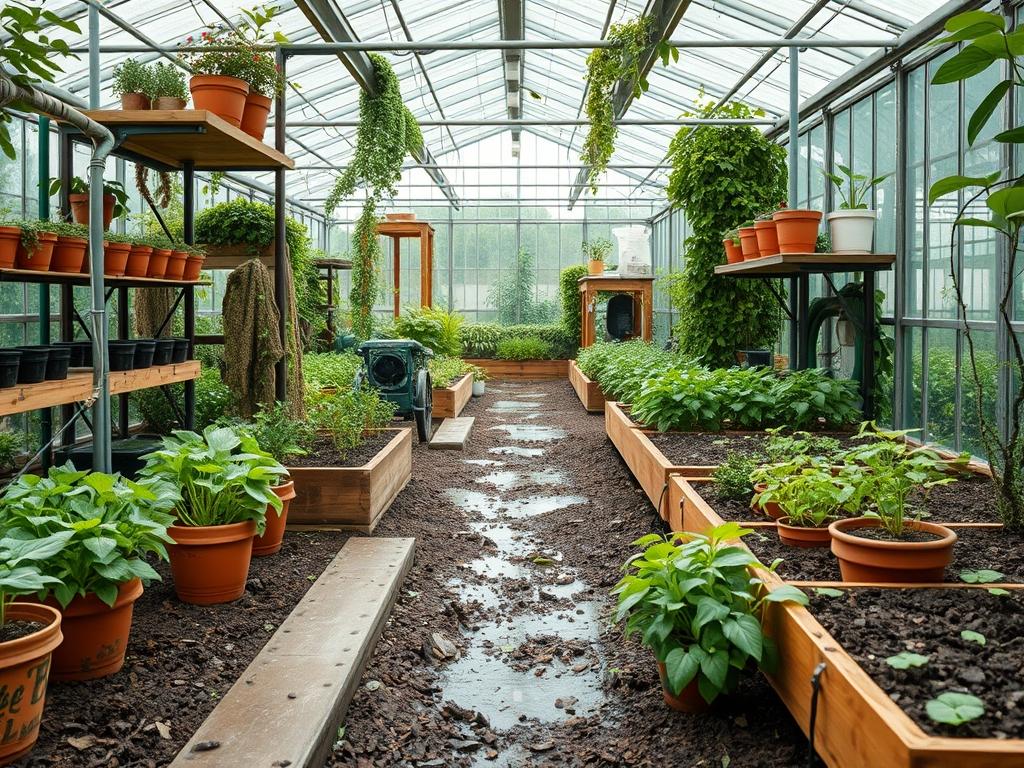
Modern landscape architecture is currently undergoing a significant paradigm shift, transitioning away from the sterile, chemically dependent environments of the past toward resilient, self-regulating ecosystems. Residential and commercial property owners alike are beginning to realize that the traditional method of spraying synthetic pesticides provides only a temporary reprieve, often at the cost of long-term soil health and biodiversity. Natural Pest Control Logic represents a sophisticated approach to outdoor design where the landscape architect uses ecological principles to manage insect and pathogen populations. By prioritizing curb appeal through healthy, vigorous growth rather than artificial maintenance, we can create outdoor living spaces that are both beautiful and functional. The goal is to design a site that promotes natural predation and minimizes the stress factors that typically attract pests to ornamental plants.
Climate considerations sit at the heart of this strategy. A landscape that operates against its local environment will always be prone to infestation; for example, a drought-tolerant succulent garden placed in a humid, low-elevation valley will struggle with fungal rot and moisture-loving insects. To achieve true functionality, a designer must assess the site’s microclimate, taking into account sun duration, wind patterns, and humidity levels. When these factors are balanced, the plants remain robust. Healthier plants possess stronger cellular structures and higher levels of secondary metabolites, which serve as a natural defense mechanism against herbivores.
Landscape Design Principles
Successful garden planning begins with the establishment of structural balance and visual hierarchy. Symmetry and focal points are not merely aesthetic choices; they dictate the movement of air and the distribution of moisture across the property. When a landscape is too dense or lacks a clear focal point, it often results in pockets of stagnant air that become breeding grounds for aphids and mites. By utilizing Elevation Layers, we create a vertical habitat that supports a diverse range of beneficial organisms. This involves a thoughtful transition from ground covers to mid-sized shrubs, reaching up to the canopy of ornamental or shade trees. Each layer provides a different niche for predators like lacewings, ladybugs, and insectivorous birds.
Irrigation planning is perhaps the most critical technical component of the design phase. Natural Pest Control Logic dictates that water should be delivered precisely to the root zone via Drip Irrigation systems rather than through overhead sprayers. Foliar moisture often leads to mildew and blight, which weaken the plant and invite opportunistic pests. Furthermore, the layout of walkways and hardscaping elements must facilitate drainage. We utilize Permeable Pavers and strategic grading to ensure that water moves away from the foundation of the home and toward planted zones without creating soggy depressions. Visual balance is achieved when the structural hardscape complements the organic plant forms, creating a cohesive environment that looks managed even when the ecological processes are wild and diverse.
Plant and Material Selection
The following selection of flora and materials is curated to support a self-regulating pest management system while maintaining high aesthetic standards in temperate and subtropical climates.
| Plant Type | Sun Exposure | Soil Needs | Water Demand | Growth Speed | Maintenance Level |
| :— | :— | :— | :— | :— | :— |
| Lavandula Angustifolia | Full Sun | Well-drained, Sandy | Low | Medium | Low |
| Echinacea Purpurea | Full Sun / Partial | Loamy, Rich | Moderate | Fast | Moderate |
| Rosmarinus Officinalis | Full Sun | Poor to Average | Very Low | Slow to Medium | Low |
| Tagetes Patula | Full Sun | Any, Well-drained | Moderate | Fast | Low |
| Nepeta Cataria | Full Sun / Partial | Average, Dry | Low | Fast | Medium |
| Buxus Sempervirens | Partial Shade | Loamy, Moist | Moderate | Slow | High (Pruning) |
In addition to plant selection, the use of Cedar Mulch is a professional standard for natural pest deterrence. The natural oils in cedar act as a repellent for certain wood-boring insects and termites. When selecting Native Plants, we leverage thousands of years of evolutionary adaptation. These species have co-evolved with local insect populations and are far more likely to survive minor pest pressure without requiring human intervention.
Implementation Strategy
The transition from a blueprint to a finished landscape requires a disciplined approach to site preparation and material installation. The process begins with professional grading. Any property should maintain a minimum slope of 2 percent away from structures to prevent water from pooling near the foundation or in the lawn. If the site has significant elevation changes, Retaining Walls constructed from natural stone or timber can be used to create level planting terraces, which improve both drainage and accessibility.
Once the grade is set, the soil must be analyzed. We look for soil compaction, which is the silent killer of urban landscapes. Utilizing a Power Auger or Backhoe for larger installations allows for the incorporation of organic compost and mycorrhizal fungi into the planting holes. This ensures that the root systems can expand rapidly. Edging is then installed to define the boundaries between lawns and garden beds. A crisp, deep edge using Steel Butterfly Edging or Brick Pavers prevents turf grass from encroaching on delicate perennials.
Mulch application follows, with a recommended depth of 3 to 4 inches. This layer is essential for moisture retention and weed suppression, but it must be kept a few inches away from the trunk of any tree or shrub to avoid bark rot. Finally, the installation of Pheromone Traps or Bat Boxes can be integrated into the hardscape as a proactive measure to manage nocturnal pest populations without the use of broad-spectrum toxins.
Common Landscaping Failures
The most frequent error in residential landscaping is improper spacing, often referred to as root overcrowding. While a property owner may want an “instant” mature look, planting trees and shrubs too close together leads to competition for nutrients and poor air circulation. Over time, the inner branches become a necrotized environment that harbors scale insects and spider mites. Another common failure is the mismanagement of Soil Compaction. When heavy machinery is used during construction without subsequent aeration, the soil becomes as dense as concrete, preventing oxygen from reaching the roots and leading to root rot.
Irrigation inefficiencies also rank high among professional concerns. Over-watering is actually more damaging than under-watering in many climates. Saturated soil creates anaerobic conditions that kill beneficial microbes and attract fungus gnats and root-eating larvae. Furthermore, the failure to address drainage mistakes during the initial build phase can lead to “wet feet” for plant species that require dry conditions. If a French Drain or Sump Pump system is not installed in low-lying areas, the resulting standing water becomes a breeding ground for mosquitoes and other biting flies.
Seasonal Maintenance
Maintenance is an ongoing dialogue with the environment. In the Spring, the focus is on cleanup and rejuvenation. This includes the removal of any leaf litter that may have harbored overwintering pests, as well as the application of a thin layer of fresh compost. This is also the time to inspect Irrigation Heads for blockages or leaks. In the Summer, maintenance shifts toward water management and monitoring. We look for early signs of stress, such as wilting or discoloration, which could signal a pest outbreak. Hand-pulling weeds before they go to seed is vital during these high-growth months.
Autumn is the season for infrastructure repair and sanitation. Cutting back certain perennials and removing spent annuals reduces the available habitat for pests to hide during the winter. This is also the best time to check Retaining Walls for shifts caused by soil expansion. During the Winter, the landscape is largely dormant, but the work does not stop. We perform structural pruning on deciduous trees to remove dead or diseased wood. This “dormant pruning” is a primary tactic in Natural Pest Control Logic because it allows the plant to heal before insects become active in the warmer months.
Professional Landscaping FAQ
What is the most effective biological control for aphids?
Ladybugs and lacewings are the gold standard for aphid management. By planting Yarrow and Dill, you attract these beneficial predators naturally. They provide a continuous patrolling service that chemical applications simply cannot replicate over a long duration.
Can mulch depth actually help in controlling pests?
Yes, a depth of 3 inches provides a barrier that prevents soil-borne pathogens from splashing onto plant leaves during rain events. However, excessive mulch can harbor voles and slugs, so maintaining a precise thickness is essential for ecological balance.
How do I fix poor drainage in an established garden?
The installation of a French Drain or a dry creek bed is often the best solution. These features redirect excess surface water toward a lower point or a rain garden, preventing the anaerobic soil conditions that attract detrimental pests.
Are native plants completely immune to pests and diseases?
No plant is entirely immune, but native species possess a higher tolerance and quicker recovery rate. They have evolved alongside local pests and typically maintain a symbiotic relationship that prevents the pests from causing catastrophic structural damage to the plant.
Why is soil aeration important for pest control?
Aeration breaks up compacted soil, allowing oxygen and water to reach the root zone. Healthy roots support a vigorous plant that can synthesize its own chemical defenses. Compacted soil stresses the plant, making it a primary target for opportunistic insects.