
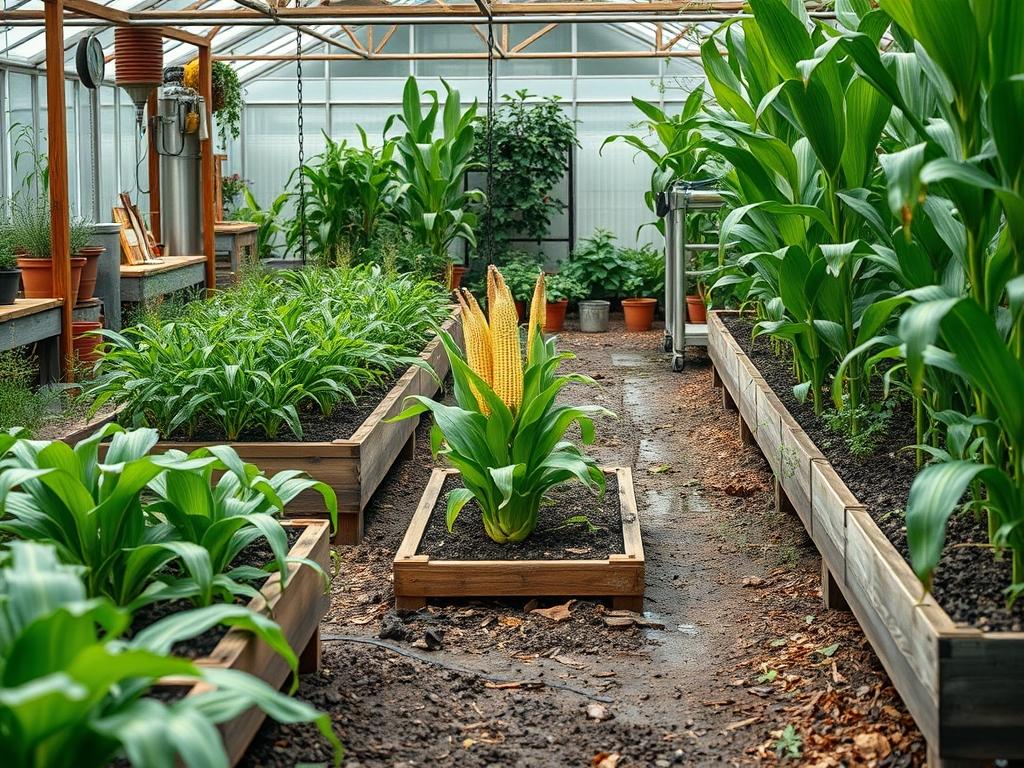
Integrating functional agriculture into a sophisticated outdoor environment requires balancing high-end aesthetic appeal with biological necessity. When property owners commit to Saving Rare Corn Varieties, they are engaging in a specialized form of conservation that transforms the landscape from a static display into a dynamic, living heritage site. The primary landscaping challenge lies in the height and structure of the maize itself. Traditional ornamental gardens often rely on low-lying perennials or manicured shrubs, but rare corn introduces significant verticality and coarse textures that must be managed to maintain curb appeal. From a climate perspective, corn is a heavy feeder that requires specific heat units and precise hydration. For a landscape architect, the goal is to weave these productive plants into the home’s overall outdoor functionality, ensuring they serve as structural backdrops rather than messy agricultural afterthoughts. Because corn is wind-pollinated, Saving Rare Corn Varieties is a task that extends beyond the property line. It requires community effort because pollen can travel over 1,000 feet in a light breeze. If a neighbor grows a standard commercial variety, the genetic purity of your rare heirloom is at risk. Therefore, successful landscape planning for these species involves community coordination, ensuring that entire blocks or neighborhoods are dedicated to a single rare strain to prevent cross-pollination.
Landscape Design Principles
Applying professional design principles to a garden focused on rare maize ensures the space remains elegant throughout the growing season. Symmetry is a vital tool here. By planting Glass Gem or Oaxacan Green corn in structured, rectangular blocks or as flanking elements to a central flagstone path, the architect creates a sense of intentionality. These plants should be treated as focal points. A towering stand of Stowell’s Evergreen can act as a natural privacy screen or a temporary living wall that defines the edge of an outdoor dining area.
Elevation layers are equally important. Corn should always occupy the rear of a planting bed to avoid overshadowing smaller ornamental species. To create a professional tiered look, place purple fountain grass or variegated hostas in the mid-ground and low-growing creeping thyme or sedum as a groundcover. This layering masks the lower stalks of the corn, which can become dry and brown as the season progresses. Irrigation planning must be integrated early. Subsurface drip irrigation is the preferred method, as overhead watering can disturb the delicate tassels during the pollination phase and encourage fungal pathogens. Walkways should be wide enough to accommodate a wheelbarrow or garden cart, typically around 36 inches, ensuring that maintenance does not compress the soil near the sensitive root zones of the corn.
Visual balance is achieved by contrasting the vertical lines of the corn with horizontal elements like low-profile retaining walls or timber edging. Utilizing natural cedar or dry-stack stone for these structures provides a high-end finish that complements the rustic nature of heirloom grains. The goal is a landscape that feels curated, not accidental.
Plant and Material Selection
| Plant Type | Sun Exposure | Soil Needs | Water Demand | Growth Speed | Maintenance Level |
| :— | :— | :— | :— | :— | :— |
| Hopi Turquoise | Full Sun | Well-drained | Moderate | Fast | Medium |
| Country Gentleman | Full Sun | Silty Loam | High | Rapid | High |
| Black Aztec | Full Sun | Rich Organic | Moderate | Medium | Medium |
| Pima 60-Day | Full Sun | Sandy Loam | Low | Very Fast | Low |
| Pod Corn | Full Sun | Sandy/Rocky | Moderate | Medium | High |
Implementation Strategy
The transition from a design concept to a physical garden requires a meticulous implementation strategy. Begin with precise grading of the site. Maize requires a level surface to ensure equal water distribution; otherwise, plants at the lower end of a slope may suffer from root rot while those at the top remain parched. Once the site is leveled, install heavy-duty edging to define the boundaries of the heirloom corn beds. This prevents the aggressive root systems of turfgrass from encroaching on the specialized soil prepared for the corn.
Soil preparation is the most critical step for Saving Rare Corn Varieties. You must incorporate at least 3 inches of well-rotted compost or aged manure into the top 8 inches of the soil profile. This provides the nitrogen boost required for mid-season growth spurts. After the soil is prepped, lay down geotextile fabric in the walkways to suppress weeds, topping it with 3 inches of shredded cedar mulch or crushed slate.
When planting, group the corn in blocks rather than single rows. A 4-by-4 foot block is the minimum size recommended for successful wind pollination. For spacing, ensure each seed is buried 2 inches deep and spaced 12 inches apart. As the plants reach 18 inches in height, apply a balanced 10-10-10 fertilizer and increase the mulch depth around the base to retain moisture. If the landscape is located in a high-wind area, consider installing discreet support staking or lattice panels to prevent the mature stalks from lodging or falling over during late-summer storms.
Common Landscaping Failures
The most frequent mistake in managing rare corn is poor drainage planning. Corn cannot tolerate standing water; if the soil becomes anaerobic, the roots will fail and the plant will exhibit yellowing leaves, a condition known as chlorosis. Architects must ensure that French drains or perforated PVC pipes are installed if the natural topography creates a basin effect.
Another failure is root overcrowding. While it is tempting to plant densely for a lush look, air circulation is vital. Without it, you invite powdery mildew and corn smut, which can decimate a rare crop. Improper spacing also leads to nutrient competition, resulting in stunted ears and poor seed viability. Soil compaction is a secondary issue; if the garden is designed with narrow paths, foot traffic will compress the earth, preventing oxygen from reaching the roots. Always use pavers or stepping stones to distribute weight.
Finally, irrigation inefficiencies can ruin a conservation effort. Using a standard lawn sprinkler often misses the root zone entirely because the dense canopy of corn leaves acts like an umbrella, shedding water away from the base. Only soaker hoses or emitters placed at the ground level can ensure the deep penetration required for healthy stalks.
Seasonal Maintenance
Spring is the season of preparation and installation. Test the soil pH, aiming for a range between 6.0 and 6.8. Clear any debris and sharpen your garden spade and hoe. This is also the time for the community effort to begin. Talk to neighbors to ensure no one within a quarter-mile radius is planting a conflicting variety that could ruin your genetic preservation goals.
Summer maintenance focuses on monitoring and hydration. As the corn enters its “tasseling” phase, water demand peaks. Inspect the plants for pests like corn earworms or aphids. If you see signs of infestation, use neem oil or Bacillus thuringiensis, which are environmentally friendly options that do not harm beneficial pollinators. High-summer storms may require you to check the stability of retaining walls and the depth of your mulch layers.
Autumn is the period of harvest and preservation. For Saving Rare Corn Varieties, you must leave the ears on the stalk until the husks are completely dry and brown. This allows the kernels to reach full maturity for future planting. Once harvested, clear the dead biomass to prevent overwintering of pests. This organic matter can be shredded and added to a compost pile, provided it is free of disease.
Winter is the time for infrastructure repair and planning. Inspect irrigation lines for cracks caused by freezing and thaws. Review your landscape notes to determine if the elevation or drainage needs adjustment before the next growing season. Order your rare seeds early from reputable conservation groups to ensure you have fresh stock for the spring.
Professional Landscaping FAQ
How much space is needed for rare corn?
A minimum of a 16 square foot block is required for proper wind pollination. This ensures the rare variety stays genetically viable. Avoid planting in single long rows, as this reduces the chances of pollen hitting the silks.
Can I grow different types of corn together?
No, you should not grow different varieties simultaneously. To keep rare varieties pure, you must isolate them by time or distance. Wind will carry pollen between different types, resulting in cross-bred seeds that do not retain the original traits.
What is the best mulch for a corn garden?
Shredded hardwood mulch or clean straw is ideal. These materials regulate soil temperature and retain moisture. Apply a layer at least 3 inches thick once the stalks are high enough to avoid being buried by the material.
How do I prevent corn from falling over?
Ensure deep root development by using deep-cycle irrigation. In windy corridors, use structural hardscaping like decorative fences or earth berms to provide a windbreak. High-nitrogen soil also helps grow thicker, stronger stalks that resist bending.
Is corn considered a native plant for landscaping?
While maize was domesticated in Mexico, many rare varieties have been cultivated by indigenous people across North America for centuries. They are often classified as heritage plants and fit well within a native or sustainable landscape design.