
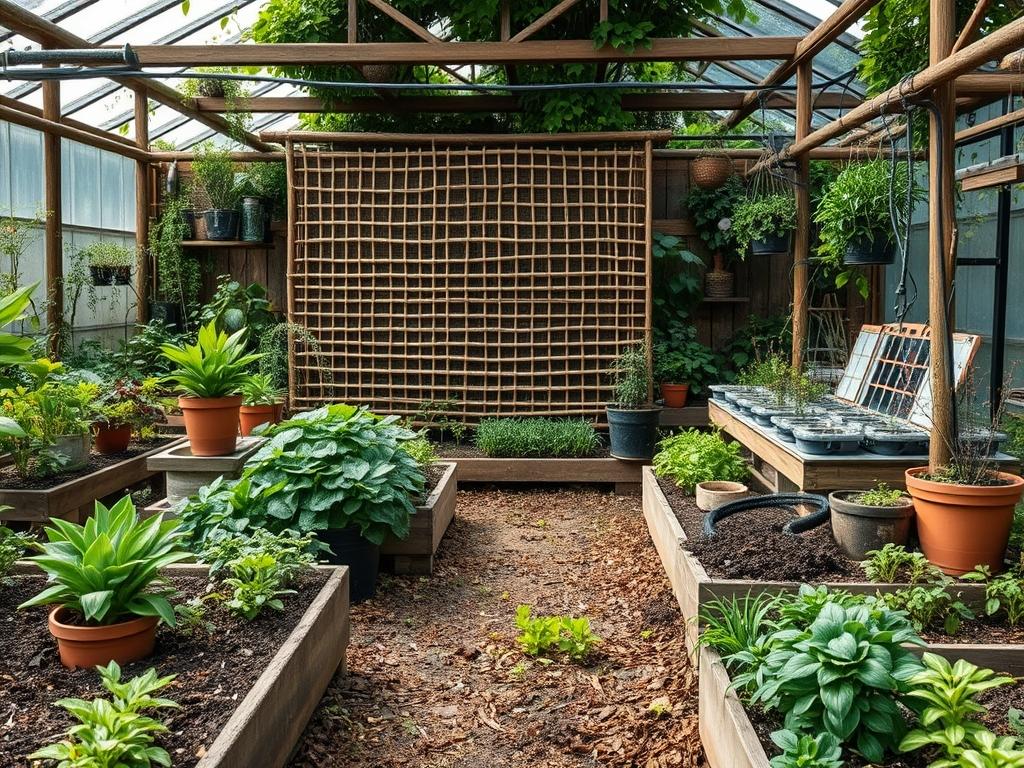
Providing effective privacy in a residential landscape requires a delicate balance between structural integrity and aesthetic harmony. Many homeowners resort to rigid, industrial fencing options that often clash with the organic flow of a well planned garden. Traditional Willow Screens offer a sophisticated alternative, blending seamlessly into the environment while providing a durable barrier against wind and prying eyes. These screens are particularly effective in temperate climates where natural materials can weather gracefully, developing a silvery patina over time. From a consultant perspective, incorporating willow into a site plan enhances curb appeal by introducing texture and depth, transforming a standard boundary into a living element of the outdoor environment. The functionality extends beyond mere visibility; these structures serve as acoustic dampeners and microclimate buffers, creating a more comfortable space for outdoor living.
Landscape Design Principles
Successful integration of willow screening depends on the core principles of symmetry and visual balance. When planning the installation, one must consider the existing focal points of the property. A screen should not merely truncate a view but rather frame it. For example, using willow hurdles to flank a stone walkway creates a sense of transition and enclosure. Landscape architects often use elevation layers to prevent the screen from feeling monolithic. By placing the screen behind a tiered garden bed, you create a sense of depth where the organic lines of the willow provide a backdrop for lower, softer foliage.
Visual balance is achieved by mimicking the natural height variations found in the local topography. If the site has significant grading issues, the screen can be stepped down in height to follow the contour of the land. This prevents a jarring, artificial appearance. Irrigation planning is also vital when integrating these structures. Even though the screen itself is made of harvested wood, moisture management at the base is critical. Standing water can lead to premature rot at the ground contact points. Therefore, ensuring that the screen is positioned away from low spots where runoff collects will prolong the life of the installation.
Plant and Material Selection
Selecting the right materials is the most critical step in ensuring the longevity of your privacy barrier. While many species of willow exist, certain varieties are better suited for weaving due to their flexibility and tensile strength.
| Plant or Material | Sun Exposure | Soil Needs | Water Demand | Growth Speed | Maintenance Level |
| :— | :— | :— | :— | :— | :— |
| Salix viminalis | Full Sun | Moist, Loamy | High | Fast | Moderate |
| Salix triandra | Partial Shade | Well Drained | Moderate | Medium | Low |
| Treated Timber Posts | N/A | Dry Ground | None | N/A | Very Low |
| Galvanized Wire | N/A | N/A | None | N/A | None |
| Cornus alba | Full Sun | Any | Moderate | Fast | Moderate |
| Salix purpurea | Full Sun | Moist | High | Fast | High |
For the structural components, 3-inch treated timber posts are standard for upright support. If you are growing a living willow screen, Salix viminalis is the preferred species because it can be trained easily into thick, impenetrable hedges. For non-living structures, dried willow withies or willow rods are the primary weaving material.
Implementation Strategy
The process begins with a comprehensive site assessment to determine land grading and potential utility interference. Start by mapping out the layout using site spray paint or a string line to ensure perfectly straight runs or intentional, graceful curves. Once the perimeter is established, use a post hole digger to create apertures for your vertical supports. These posts should be spaced at 6-foot intervals to ensure the screen can withstand significant wind loads without bowing.
Incorporate drainage at the base of each hole by adding 3 inches of crushed gravel before setting the posts in concrete. This prevents water from pooling around the wood, which is a common cause of structural failure. Once the posts are set and level, the weaving process begins. For a traditional look, use a technique called randing, where individual willow rods are woven in an over-under pattern between the vertical stakes. As you progress upward, use a rubber mallet to tap the rows down, ensuring a tight weave that offers maximum privacy.
If the site involves a slope, the screen should be integrated with retaining walls to manage soil displacement. The base of the willow screen can be finished with a steel edging strip to create a clean transition between the woven material and the hardwood mulch used in the surrounding garden beds. A 3-inch layer of mulch should be maintained around the base of living screens to retain moisture and suppress weeds that might compete for nutrients.
Common Landscaping Failures
One of the most frequent mistakes in willow screen construction is ignoring the impact of soil compaction. During the installation of posts and heavy weaving materials, foot traffic can compress the soil, leading to poor drainage and stunted growth of nearby native plants. To avoid this, use temporary plywood walkways during construction to distribute weight evenly across the root zones.
Improper spacing of vertical supports also leads to structural failure. If posts are placed too far apart, the willow weave will sag under its own weight, especially after absorbing moisture from rain. Furthermore, many DIY installers fail to account for root overcrowding when planting living willow. Willow has an aggressive root system; if planted too close to irrigation lines or foundations, it can cause significant subterranean damage over time. Finally, failing to treat the ground-contact portions of the willow or the timber posts with a preservative like linseed oil or a non-toxic sealer will significantly shorten the lifespan of the screen in humid environments.
Seasonal Maintenance
Seasonal care ensures that the willow remains both functional and beautiful. In the spring, inspect the structure for any loose weaves or broken rods caused by winter storms. This is the optimal time to apply a fresh coat of preservative oil to dried screens. For living screens, spring is the season for heavy pruning to stimulate new, flexible growth.
Summer maintenance focuses on moisture management. During periods of drought, living willow screens require deep watering twice a week to maintain their foliage density. Check for pests like willow aphids which can distort the new growth. As autumn approaches, clear away fallen leaves and organic debris from the base of the screen. Damp leaves trapped against the willow can foster fungal growth and wood rot. During the winter, the focus shifts to structural integrity. Clear heavy snow accumulation from the top of the screens to prevent the woven panels from bending or snapping under the weight.
Professional Landscaping FAQ
What is the average lifespan of a traditional willow screen?
A well maintained, non-living willow screen typically lasts between 8 to 12 years. Applying a natural oil treatment every two years can extend this lifespan significantly by protecting the fibers from UV damage and moisture penetration.
Can willow screens be used as a windbreak?
Yes, willow is an excellent windbreak because it is semi-permeable. Unlike solid walls that create turbulence, willow filters the wind, reducing its velocity while allowing enough airflow to prevent the buildup of high-pressure zones on the leeward side.
How deep should the support posts be buried?
For a 6-foot high screen, posts should be buried at least 24 inches deep. In areas with high wind or soft soil, increasing the depth to 36 inches and using concrete footings is recommended for stability.
Is Salix viminalis the only option for weaving?
While Salix viminalis is the industry standard for its long, straight rods, other species like Salix purpurea offer different colors and textures. Purpurea provides a distinctive purple hue to the stems, which can enhance the garden’s color palette.
Do willow screens require a building permit?
In most jurisdictions, fences under 6 feet do not require a permit. However, always check local zoning laws regarding height restrictions and setbacks from property lines before beginning any permanent installation or significant landscaping project.