
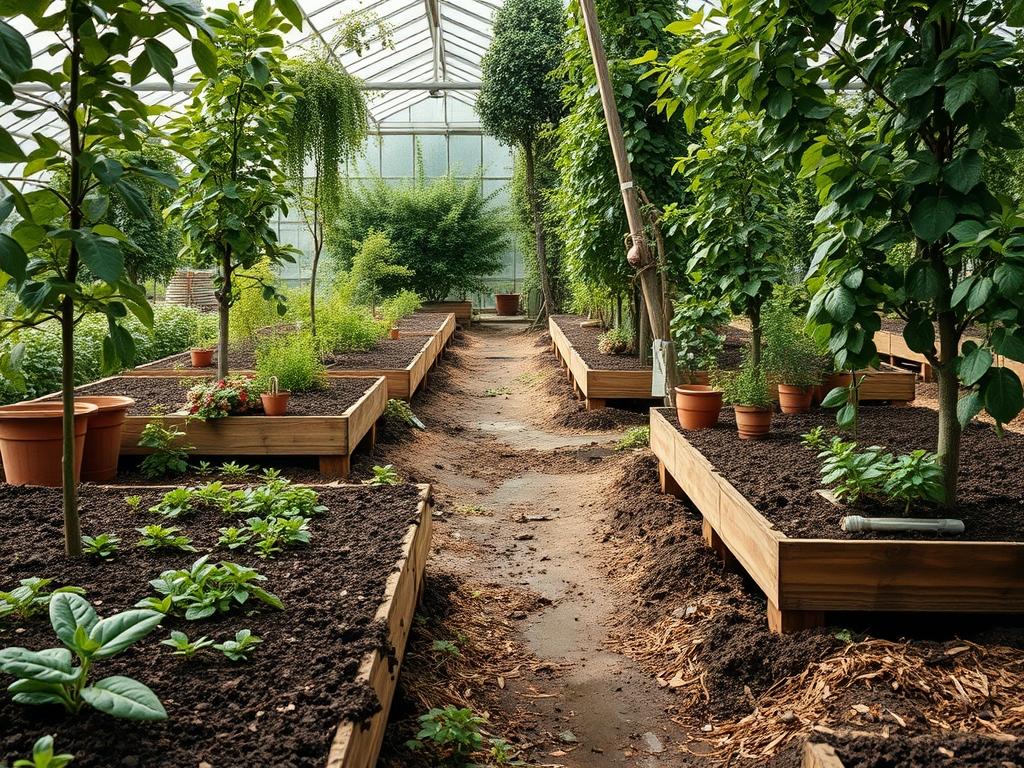
Designing a professional landscape centered on regenerative fruit orchards requires a departure from traditional monoculture aesthetics. The modern landscape architect must balance the rigid requirements of fruit production with the fluid beauty of a tiered ecosystem. This approach creates a high performance outdoor environment that serves as both a private sanctuary and a productive resource. Unlike standard ornamental gardens, these systems leverage ecological relationships to reduce external inputs while maximizing the visual impact of the property. When planning such a space, one must consider the microclimate of the site, specifically looking at wind patterns, sun exposure, and the natural flow of water across the terrain. A well executed orchard design does more than just provide food; it enhances the curb appeal through multi seasonal interest, ranging from the delicate blossoms of spring to the structural silhouettes of winter. The goal is to move away from the high maintenance requirements of chemical dependent lawns and transition toward a self sustaining landscape where the understory and canopy work in tandem.
Landscape Design Principles
The architectural backbone of regenerative fruit orchards relies on the deliberate use of elevation layers and focal points. In a professional layout, we categorize the planting into vertical tiers: the overstory consisting of larger fruit trees like Standard Apple or Pear, the midstory comprising shrubs, and the understory featuring herbaceous perennials and groundcovers. Visual balance is achieved by using the taller trees as anchors at the rear of the viewing plane or as central specimens in larger estates. Symmetry can be introduced through the use of Espalier techniques along boundary fences, where trees are trained to grow flat against a support structure. This method provides a formal, structured look that contrasts beautifully with the more organic, rambling nature of the understory crops below.
Walkway design is critical for both accessibility and the definition of space. In these regenerative systems, we often utilize permeable materials such as Decomposed Granite or Stabilized Crushed Stone for primary paths. These walkways should be wide enough, perhaps 48 inches, to allow for easy movement of equipment like Wheelbarrows or Harvest Totes. Secondary paths can be narrower and may consist of thick Wood Chip mulch to mimic a forest floor. Irrigation planning must be integrated into the initial design phase to ensure consistent moisture delivery during the establishment period. A dedicated Drip Irrigation system with emitters placed at the Drip Line of the trees ensures that water reaches the active root zones without encouraging fungal issues on the foliage.
Plant and Material Selection
The following table outlines the foundational species used to build a resilient understory and canopy within a regenerative system.
| Plant Type | Sun Exposure | Soil Needs | Water Demand | Growth Speed | Maintenance |
| :— | :— | :— | :— | :— | :— |
| Common Pear | Full Sun | Well Drained | Moderate | Medium | High (Pruning) |
| Highbush Blueberry| Full to Part Sun | Acidic/Organic | High | Slow | Medium |
| Comfrey | Full to Part Sun | Any/Rich | Moderate | Fast | Low |
| White Clover | Full Sun | Any/Loam | Low | Fast | Low |
| Serviceberry | Full to Part Sun | Moist/Loam | Moderate | Medium | Low |
| Currant | Part Shade | Rich/Moist | Moderate | Medium | Medium |
| Dutch White Clover| Full Sun | Poor to Good | Low | Fast | Minimal |
Implementation Strategy
Converting a standard backyard into a regenerative orchard begins with a precise site assessment using a Laser Level or Theodolite to map out existing grades. Proper Grading is the first step in ensuring long term success; the soil must be sloped away from permanent structures at a minimum of 2 percent to prevent water pooling. If the site has heavy clay or poor drainage, installing a French Drain or creating raised mounds for the trees is essential. Once the grading is complete, we employ a technique known as sheet mulching to prepare the beds. This involves laying down a layer of Heavy Duty Cardboard or Burlap to suppress existing turf, followed by 8 inches of organic compost and aged wood chips.
The layout should be marked using Surveyor Stakes and Landscaping Twine to ensure the design remains true to the blueprint. When planting the overstory, the holes should be dug twice as wide as the root ball but no deeper than the nursery line. After the trees are set, the understory crops are interplanted in guilds. For instance, planting Comfrey and Daffodils around the base of a Peach tree helps to accumulate nutrients and deter rodents. Steel Edging or Concrete Pavers can be used to define the borders between the orchard beds and the primary lawn or patio areas, providing a clean, professional finish that makes the transition feel intentional rather than haphazard.
Common Landscaping Failures
The most frequent mistake in orchard design is improper spacing, leading to root overcrowding and a lack of airflow. When trees are planted too close together, they compete for the same nutrients and become more susceptible to pests and diseases. Furthermore, many homeowners ignore the eventual mature height and width of their selections, resulting in trees that encroach upon walkways or power lines within five years. Another critical failure involves the misuse of mulch. The “volcano mulching” technique, where mulch is piled against the trunk of the tree, traps moisture against the bark and leads to rot and fungal infections. Mulch should instead be kept 3 inches away from the trunk.
Soil compaction is another silent killer in the landscape. Construction traffic or heavy footpaths can crush the soil structure, depriving roots of oxygen. This is why defined walkways are so vital; they direct traffic away from sensitive planting zones. Additionally, irrigation inefficiencies often plague these systems. Overwatering is just as damaging as underwatering, particularly in regenerative systems where we want to encourage deep root growth. Relying solely on overhead sprinklers can lead to foliar diseases such as powdery mildew, making a sub surface or ground level Drip System a far superior choice for the professional landscape.
Seasonal Maintenance
Managing a regenerative orchard is a year round commitment that evolves with the seasons. In the spring, the focus is on soil health and fertility. We apply a fresh layer of Compost and spray Compost Tea to jumpstart the microbial activity in the soil. This is also the time for checking the Irrigation Controllers and replacing any damaged emitters. As we move into summer, the priority shifts to moisture retention and pest monitoring. Thinning the fruit may be necessary to ensure the structural integrity of the branches, preventing breakage under the heavy weight of a ripening crop.
Autumn is the season for harvest and preparation for dormancy. Fallen fruit should be removed to prevent overwintering pests, and a heavy application of Mulch can help insulate the roots against the coming cold. It is also the best time to plant new understory perennials while the soil is still warm but the air is cool. During winter, the landscape architect focuses on structural pruning. Using Bypass Pruners and Pull Saws, the canopy is thinned to allow better light penetration and air circulation for the following year. This dormant period is also ideal for reviewing the structural integrity of Retaining Walls and hardscaping elements while the foliage is absent.
Professional Landscaping FAQ
How does a regenerative orchard improve property value?
It enhances curb appeal through diverse textures and colors while offering a functional, edible landscape. Potential buyers often view established, productive gardens as a premium luxury feature that reduces future grocery costs and promotes environmental sustainability.
What is the best way to manage weeds without chemicals?
Dense understory planting acts as a living mulch, suppressing weed growth through competition. Using Cardboard as a base layer during initial installation, followed by 6 inches of wood chips, provides a powerful mechanical barrier against invasive species.
Can I grow fruit in a small urban lot?
Yes, by utilizing Dwarf Rootstocks and Espalier training techniques. These methods allow you to grow significant amounts of fruit in narrow spaces along fences or walls, maintaining a professional and manicured appearance without sacrificing productivity.
How do I choose between different mulch types?
For orchards, arborist wood chips are superior because they break down slowly and foster beneficial Mycorrhizal Fungi. Avoid dyed mulches or fine bark nuggets, which may contain chemicals or break down too quickly to provide long term soil benefits.
Do understory crops compete with the fruit trees?
When selected correctly, they are complementary. Dynamic accumulators like Comfrey bring nutrients from the deep subsoil to the surface, while nitrogen fixers like Clover improve soil fertility, actually supporting the growth of the overstory trees rather than hindering it.