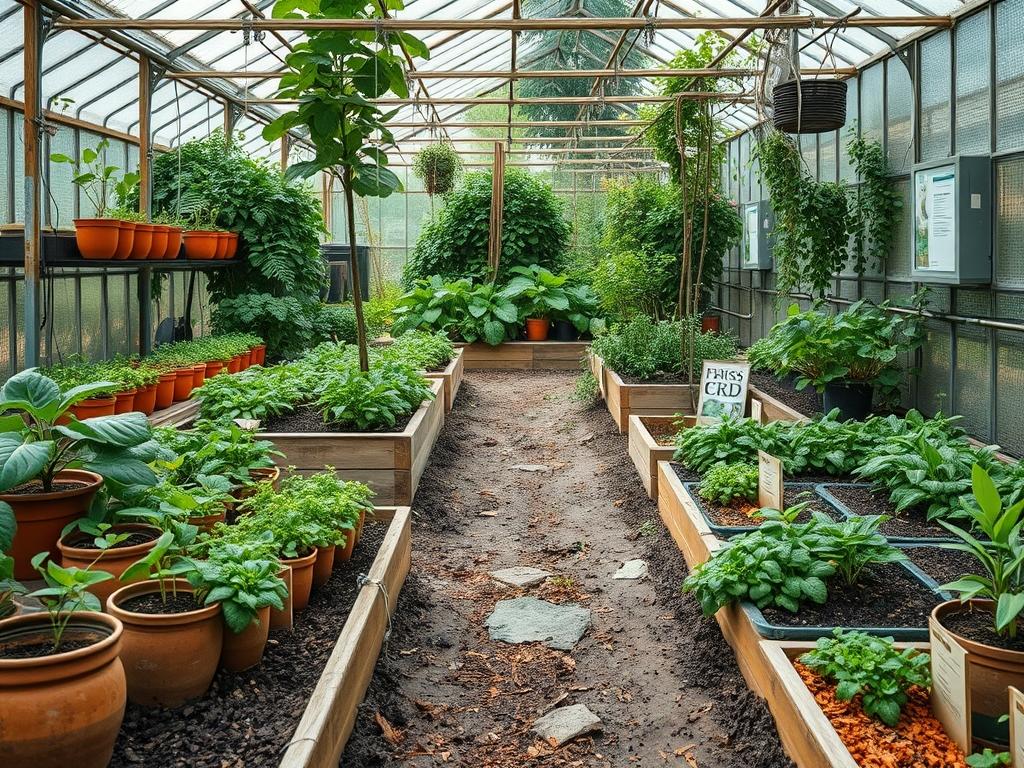
True sustainability in landscape architecture requires a shift from viewing a garden as a static visual display to understanding it as a closed-loop biological engine. The primary challenge for any modern outdoor environment consultant is managing the nutrient export that typically occurs when homeowners remove grass clippings, fallen leaves, and spent annuals. By integrating Zero-Waste Composting directly into the initial design phase, we can eliminate the need for synthetic fertilizers while simultaneously enhancing the soil structure. This approach addresses the dual needs of high-end curb appeal and ecological responsibility. A well-designed site must account for the local climate, ensuring that organic decomposition cycles are fast enough to keep up with the seasonal biomass production. When we design for soil cycles, the outdoor space becomes more than a backyard; it becomes a functional system that manages its own waste, maintains its own fertility, and presents a lush, polished aesthetic that increases property value.
Landscape Design Principles
A professional landscape must balance aesthetic elegance with industrial efficiency. When incorporating Zero-Waste Composting into a high-end design, we use the principle of site zoning to ensure the “back-of-house” biological processes do not detract from the primary focal points. We look at symmetry and visual balance, often mirroring a functional element like a Compost Bin with a decorative element like a Large Planter to create a sense of intentionality. Elevation layers are critical here. By placing compost processing areas on a slightly higher elevation than the primary flower beds, we can utilize natural gravity for nutrient runoff, a concept sometimes referred to as a “compost tea” gravitational feed.
Irrigation planning must be integrated into these soil-building zones. A dry compost pile is a dormant one. We often run Drip Irrigation Lines directly into the compost bays to maintain specific moisture levels. Walkways should be designed to accommodate the transport of materials, meaning paths should be at least 36 inches wide to allow for Wheelbarrows and Garden Carts. Hardscaping, such as Flagstone Paths or Decomposed Granite, provides a clean transition between the manicured lawn and the wilder, nutrient-dense production zones. By using Retaining Walls made of Natural Stone, we can create “hidden” pockets for organic matter decomposition that blend seamlessly into the existing topography.
Plant and Material Selection
Selecting the right biological components is as important as the structural ones. We prioritize Native Plants because they have evolved to thrive in local soil cycles and often contribute the highest quality “green” nitrogen sources for our composting systems.
| Plant Type | Sun Exposure | Soil Needs | Water Demand | Growth Speed | Maintenance Level |
| :— | :— | :— | :— | :— | :— |
| English Lavender | Full Sun | Well-Drained | Low | Moderate | Low |
| White Oak | Full/Partial | Loamy/Acidic | Moderate | Slow | Low |
| Hostas | Full Shade | High Organic | High | Fast | Moderate |
| Switchgrass | Full Sun | Adaptable | Low | Very Fast | Low |
| Highbush Blueberry| Full Sun | Acidic/Peaty | Moderate | Moderate | High |
| Red Clover | Full/Partial | Nitrogen-Poor | Low | Fast | Low |
For materials, we emphasize the use of Cedar Wood for bin construction due to its natural rot resistance. We also utilize Stainless Steel Mesh to prevent rodent intrusion without sacrificing airflow. The choice of Mulch is equally strategic. We prefer Double-Ground Hardwood Mulch or Pine Straw, which eventually break down into the soil, feeding the very cycle we are trying to establish.
Implementation Strategy
The transition to a zero-waste landscape begins with professional site grading. We ensure that the land slopes away from the home foundation at a minimum of 2 percent grade to prevent water intrusion. Once the skeleton of the landscape is set, we define the edging using Steel Edging or Brick Pavers to create a sharp line between turf and planting beds. This prevents invasive grass roots from stealing nutrients intended for the ornamental species.
When building the soil cycle, we recommend a layered approach. First, we install the hardscaping and Retaining Walls. Next, we apply a base layer of Cardboard or Burlap to suppress weeds, followed by 6 inches of high-quality Topsoil. The Compost System is then situated in a location that receives partial shade to prevent excessive evaporation. We recommend a three-bin system. The first bin is for “active” collection, the second for “curing” or “breaking down,” and the third for “finished” material. Every Spring, this finished compost is spread across the beds at a 2-inch depth, followed by a 3-inch layer of Bark Mulch to lock in moisture. This cycle ensures that the soil remains aerated and biologically active year-round.
Common Landscaping Failures
One of the most frequent mistakes in professional landscaping is improper drainage around soil-building zones. If a compost area is placed in a low spot, it becomes an anaerobic, foul-smelling swamp rather than a nutrient-rich resource. We also see significant issues with root overcrowding. Designers often plant for the immediate “look” without considering the size of the plant in 10 years. This leads to root-bound soil where no amount of compost can penetrate the dense mat of fiber to reach the deep earth.
Soil compaction is another silent killer of landscape health. Using heavy machinery during the construction phase without later tilling or aerating the earth creates a “concrete” layer that prevents gas exchange. Furthermore, irrigation inefficiencies, such as over-watering the “brown” carbon layers in a compost pile, will leach out the nitrogen before it can be used by the plants. Finally, many fail to account for the “C:N ratio” (Carbon to Nitrogen). A landscape that only generates “browns,” like wood chips, will actually rob the soil of nitrogen as those chips attempt to decompose.
Seasonal Maintenance
Landscape management is a four-quarter commitment. In the Spring, the focus is on “awakening.” This is the time for Core Aeration of the lawn and the application of the previous year’s finished compost. We prune dead wood from Deciduous Trees and add it to the “brown” pile after running it through a Wood Chipper.
Summer maintenance centers on moisture management. We transition the Irrigation System to run in the early morning to minimize fungal growth. We perform “deadheading” on flowering species, tossing the spent blooms into the “green” compost pile to maintain high nitrogen levels.
In the Autumn, the primary task is leaf management. Rather than bagging leaves for municipal pickup, we use a Mulching Mower to shred them directly into the turf or gather them into “leaf mold” piles. This is the single most important step for Zero-Waste Composting, as leaves provide the bulk of the carbon needed for the following year.
Winter is for structural maintenance. We inspect Retaining Walls for shift due to freeze-thaw cycles and turn the compost piles one last time before the deep freeze. This keeps the internal temperature high enough to continue slow decomposition throughout the colder months.
Professional Landscaping FAQ
How do I prevent my zero-waste compost from smelling?
Ensure a proper balance of two parts “brown” carbon materials to one part “green” nitrogen materials. Maintain adequate airflow by turning the pile with a Pitchfork every two weeks. Avoid adding dairy, meat, or oils to the mixture.
Will a compost system attract unwanted pests to my landscape?
Using an enclosed Cedar Bin with 1/4-inch Hardware Cloth on the bottom and sides prevents rodents from entering. Burying “green” food scraps deep under a layer of “brown” leaves or straw also masks odors that attract wildlife.
How much space do I need for a functional soil cycle?
A standard residential lot can be served by a 3-by-9-foot three-bin system. This footprint is small enough to be screened by Arborvitae or a Lattice Fence while providing enough volume to process all yard waste.
Can I use compost as a total replacement for mulch?
Compost is a soil amendment, while Mulch is a surface protectant. For the best results, apply 1 inch of compost for nutrients, then top it with 2 inches of Wood Mulch to suppress weeds and retain moisture.
How long does it take to produce finished soil?
In a managed system with regular turning and moisture, you can produce finished soil in 3 to 6 months. In passive systems where the pile is left alone, the process can take up to 12 months to fully stabilize.