
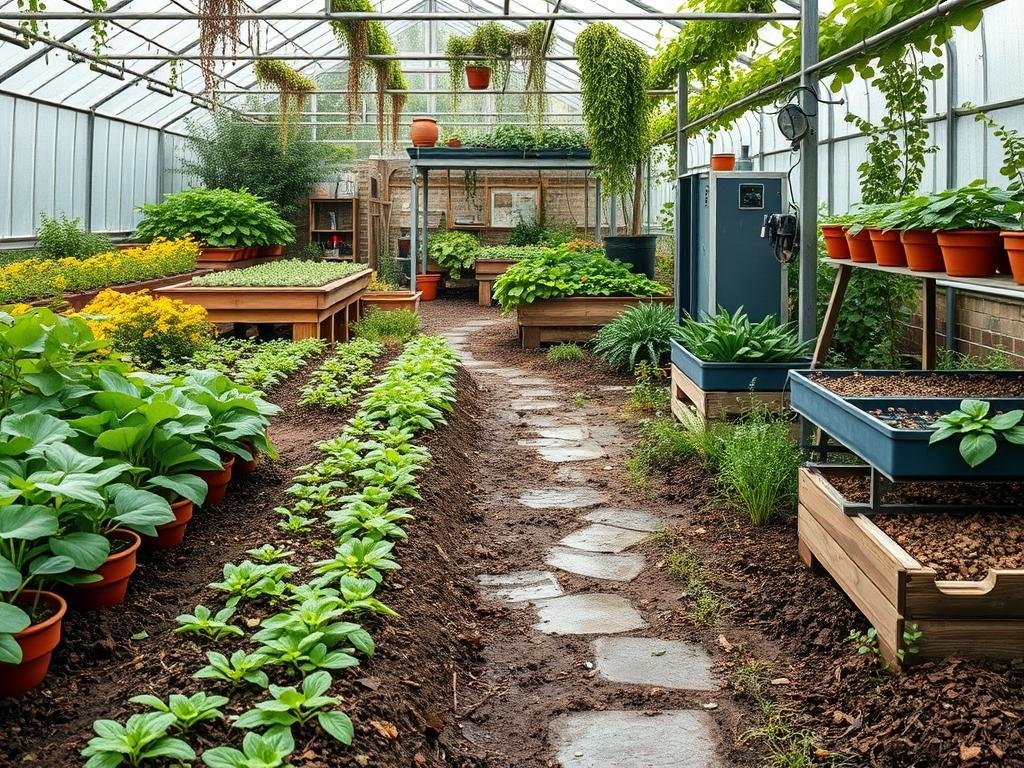
Modern landscape design often struggles with the aesthetic and functional gap left between planting seasons or during the revitalization of large estate grounds. Maintaining high curb appeal while rehabilitating tired soil requires a strategic approach that transcends mere ornamentation. Professional designers frequently encounter sites where the soil has been stripped of its vitality by heavy construction, poor drainage, or decades of monoculture planting. In these scenarios, the integration of Cover Crops for Fertility serves as a sophisticated biological tool. By utilizing a living mulch system, a landscape architect can suppress opportunistic weeds and restore the nutrient profile of a property without relying exclusively on synthetic fertilizers or aggressive chemical interventions. This approach ensures that the outdoor environment remains functional and visually cohesive, even during transitional phases of the garden life cycle.
The primary landscaping challenge in many climate zones is preventing erosion while building a nutrient dense foundation for permanent installations like specimen trees and formal parterres. Bare soil is an invitation for invasive species and windborne erosion, which can quickly compromise the precision of professionally graded land. Using cover crops provides a temporary, lush green carpet that holds the earth in place and prepares the ground for future luxury features. Whether the goal is to install a sprawling lawn, a complex perennial border, or a functional vegetable garden, the biological preparation phase is critical. From an architectural standpoint, these crops act as a placeholder that maintains the visual structure of the site, ensuring that the property never looks abandoned or neglected during its restorative period.
Landscape Design Principles
Symmetry and visual balance are the hallmarks of a well planned estate, and cover crops can be used to define these zones long before the final plants arrive. By sowing specific species in geometric patterns or along established elevation layers, a designer can test the visual impact of future beds. For example, a low growing carpet of Crimson Clover can act as a temporary filler in a future formal garden, echoing the planned symmetry while actively fixing Nitrogen in the soil. This foresight allows the practitioner to evaluate how light hits the space and how different focal points, such as statues or large boulders, interact with a soft green foreground.
Elevation and drainage are equally vital when planning the distribution of these crops. In areas with significant slope or near Retaining Walls, deep rooted species like Daikon Radish can be used to penetrate compacted subsoil, facilitating better natural irrigation. These structural plants act as biological drills, creating channels for water to reach the water table rather than pooling on the surface. When combined with a well designed walkway system, cover crops prevent mud from spilling onto hardscaping, preserving the integrity of Pavers and Flagstone paths. Strategic irrigation planning ensures that these crops receive the minimal moisture they need to germinate, establishing a canopy that eventually shades the soil and reduces the overall water demand of the site.
Plant and Material Selection
| Plant Type | Sun Exposure | Soil Needs | Water Demand | Growth Speed | Maintenance Level |
| :— | :— | :— | :— | :— | :— |
| Crimson Clover | Full Sun / Part Shade | Well drained, sandy | Moderate | Fast | Low |
| Winter Rye | Full Sun | Adaptable, heavy clay | Low | Very Fast | Moderate |
| Hairy Vetch | Full Sun / Part Shade | Loamy, moist | Moderate | Moderate | Moderate |
| Buckwheat | Full Sun | Poor soil, acidic | Moderate | Extremely Fast | Low |
| Daikon Radish | Full Sun | Compacted, deep | Moderate | Fast | Low |
Implementation Strategy
The successful deployment of a cover crop strategy begins with diligent site preparation. Before sowing, the area must be cleared of debris and the existing Grade must be checked to ensure water flows away from residential structures. If the soil is heavily compacted from heavy machinery, a Rototiller or a secondary Garden Fork should be used to loosen the top 6 inches of the earth. Once the surface is prepared, the chosen seed mix is distributed using a Broadcast Spreader to ensure even coverage. For high visibility areas near the front of a home, a higher seeding rate is recommended to create a denser, more manicured appearance that rivals a traditional lawn.
After seeding, a light layer of Straw Mulch or finely shredded Wood Chips may be applied to protect the seeds from birds and to retain surface moisture. This is especially important in the first 10 days of establishment. As the crops grow, they should be monitored for height, particularly in areas where sightlines to architectural features must be maintained. When the time comes to transition to the permanent landscape, the cover crops are terminated by mowing or tilling them back into the dirt. This process, known as green manuring, transfers the accumulated biomass and nutrients directly into the soil profile. For the best results, this should occur when the plants are in their flowering stage but before they set seed, ensuring that the nutrients are at their peak and preventing the cover crop from becoming a weed itself in future seasons.
Common Landscaping Failures
One of the most frequent errors in soil management is ignoring the importance of proper drainage before planting cover crops. If a site suffers from standing water, even the hardiest species will succumb to root rot, leading to a patchy and unsightly appearance. Designers must ensure that French Drains or Swales are functional before attempting to use cover crops for fertility. Another common failure is root overcrowding, which occurs when seeding rates are too high for the available light and nutrients. This results in weak, spindly plants that do not provide adequate soil protection or weed suppression.
Improper spacing and failing to account for the mature height of the crop can also ruin the aesthetic of a landscape. If a tall species like Winter Rye is planted too close to a low Retaining Wall, it can obscure the stonework and make the outdoor living space feel claustrophobic. Furthermore, soil compaction is often overlooked. Simply throwing seed onto hard, baked ground will result in poor germination. Soil must be aerated to allow roots to penetrate deep enough to perform their nutrient cycling functions. Finally, irrigation inefficiencies, such as overwatering in the evening, can lead to fungal outbreaks that spread from the cover crop to more sensitive Native Plants or nearby ornamental shrubs.
Seasonal Maintenance
Spring is the season for termination and transition. As the soil warms, the cover crops that have overwintered should be cut down and incorporated into the beds. This is the ideal time to add a fresh layer of Compost or high quality Topsoil over the tilled organic matter. By doing this early in the spring, the green manure has time to decompose before the primary sequence of ornamental planting begins. It is also the window to check for any perennial weeds that may have survived the cover crop canopy, removing them by hand before they can establish deep taproots.
Summer maintenance focuses on heat management and moisture retention. If use of a summer cover crop like Buckwheat is employed, it requires consistent monitoring. The fast growth of summer species means they can go from flower to seed in a matter of days. To keep the landscape looking crisp, the crop should be mown or trimmed as soon as the white flowers appear. During periods of extreme heat, supplemental irrigation may be necessary to prevent the biomass from drying out and becoming a fire hazard.
Autumn is the critical period for establishing winter protection. Sowing Hairy Vetch or Winter Rye in the late summer or early fall allows the root systems to take hold before the first frost. This protects the soil from the scouring winds and heavy rains of winter. In these months, designers should also clean out any debris from Gutters and Drainage Pipes to ensure that winter melt does not wash away the newly seeded areas.
Winter is a time of dormancy, but it is not a time for total neglect. A thick mat of dormant cover crops serves as a thermal blanket for the soil biology, protecting beneficial microbes and earthworms from deep freezes. Observations made during the winter can inform the next year’s planning; areas where the cover crop died back prematurely may indicate poor drainage or salt damage from nearby walkways. These insights allow for more precise adjustments to the landscape plan in the following spring.
Professional Landscaping FAQ
How do cover crops improve soil fertility in new gardens?
These plants capture atmospheric Nitrogen and accumulate minerals in their tissues. When they are mown and tilled into the earth, they decompose and release these essential nutrients back into the soil for future plants to utilize.
Can cover crops replace traditional mulch?
Yes, they are often referred to as living mulch. They provide a dense canopy that cools the soil and prevents weed seeds from germinating, while also contributing organic matter that traditional mulch cannot provide as quickly.
Which cover crop is best for heavy clay soil?
The Daikon Radish is excellent for clay. Its large taproot, often reaching 12 inches or more, physically breaks up compacted layers, improving aeration and water infiltration without the need for heavy mechanical equipment.
Will cover crops attract pests to my property?
Typically, they attract beneficial insects like bees and ladybugs. However, if left to become overgrown or matted in standing water, they can harbor slugs. Proper mowing and drainage management will mitigate any potential pest issues.
How long should I leave cover crops in place?
For maximum fertility, leave them until they reach the early flowering stage. This usually takes 6 to 10 weeks depending on the species and climate. Ensure you terminate them before they produce viable seeds to prevent regrowth.