
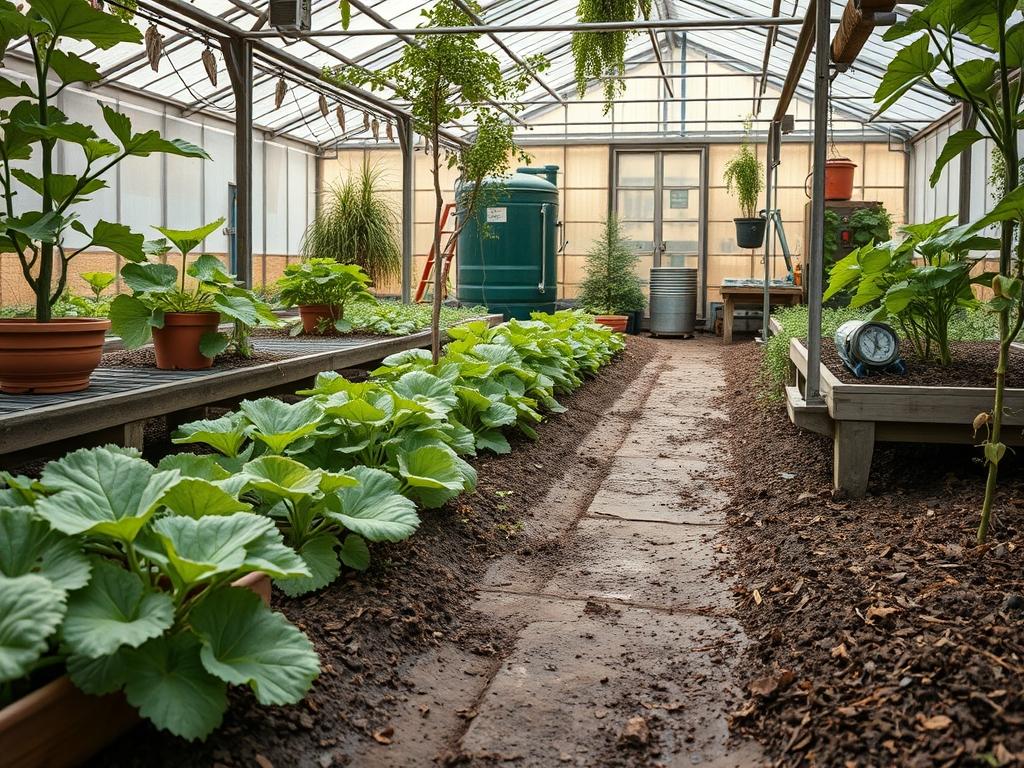
Designing a residential landscape that facilitates the complex requirements of saving squash seeds involves a careful balance between aesthetic curb appeal and rigid biological isolation. Most homeowners view their vegetable patches as secondary to the overall garden structure, yet for those seeking genetic purity in heirloom varieties, the garden must be engineered with specific spatial parameters. The primary challenge lies in the promiscuous nature of the Cucurbita genus. Because bees travel significant distances to forage, a standard backyard layout often fails to prevent cross-pollination between different cultivars of the same species. Integrating seed-saving goals into a professional landscape plan requires an understanding of topography, wind patterns, and the “hydro-zoning” of plant groups to ensure that the environment supports both healthy growth and botanical fidelity.
Effective garden planning begins with environmental assessment. Soil quality and drainage are paramount for squash, as these heavy feeders require a high nutrient load and consistent moisture without becoming waterlogged. When we design for a client interested in saving squash seeds, we must consider the landscape as a series of isolated zones. Genetic purity is not merely a biological state but a spatial one. In an urban or suburban setting, achieving the recommended half-mile isolation distance between varieties is rarely possible through geography alone. Therefore, the landscape professional must design “mechanical isolation” into the site. This includes the installation of physical structures such as fine-mesh isolation cages or strategically placed trellises that allow for easy access during the hand-pollination process. By treating the squash patch as a functional focal point rather than a hidden utility area, we can maintain the visual harmony of the outdoor living space while fulfilling the technical needs of the seed saver.
Landscape Design Principles
Symmetry and visual balance are the hallmarks of a well-executed landscape, but for the seed-saving garden, functionality dictates the form. We begin with the principle of elevation layers. Squash plants, particularly sprawling varieties of Cucurbita maxima, require significant ground plane coverage. To manage this without sacrificing the elegance of the lawn or walkways, we utilize raised masonry beds or stepped retaining walls. Elevating the planting area improves drainage and provides a defined edge that prevents the aggressive vines from encroaching on delicate ornamental borders.
Focal points should be used to draw the eye away from the utilitarian aspects of seed production. While a squash plant nearing the end of its life cycle for seed maturation may look less than ideal, we can flank these areas with evergreen shrubs like Boxwood or perennial flowering plants like Echinacea to maintain year-round interest. Irrigation planning is another critical pillar. For seed purity, we avoid overhead sprinklers which can promote fungal diseases like powdery mildew, choosing instead a subsurface drip irrigation system. This system delivers water directly to the root zone at a rate of 0.5 gallons per hour, ensuring the vigor necessary for the plant to produce high-quality, viable seeds.
Plant and Material Selection
| Plant Type | Sun Exposure | Soil Needs | Water Demand | Growth Speed | Maintenance Level |
| :— | :— | :— | :— | :— | :— |
| Cucurbita pepo (Zucchini) | Full Sun | Rich, Well-drained | Moderate | Fast | Medium |
| Cucurbita moschata (Butternut) | Full Sun | Compost-heavy | High | Moderate | Medium |
| Buxus sempervirens (Boxwood) | Part Sun | Loamy | Moderate | Slow | Low |
| Nepeta fassenii (Catmint) | Full Sun | Average/Sandy | Low | Fast | Low |
| Miscanthus sinensis (Grasses) | Full Sun | Varied | Low | Fast | Low |
| Rudbeckia fulgida | Full Sun | Well-drained | Moderate | Moderate | Low |
Implementation Strategy
The transition from a conceptual design to a physical landscape involves a systematic implementation of hardscaping and site preparation. First, we address the grading. The site must be pitched at a minimum 2 percent slope away from structural foundations to prevent pooling. For squash beds, we recommend a “double-digging” method or the installation of 6-inch deep layers of organic compost mixed with native topsoil to create a nutrient-rich horizon.
Once the grading is complete, we define the boundaries using steel edging or tumbled stone pavers. This creates a clean line between the lawn and the garden, which is essential for curb appeal. For the squash themselves, spacing is the most critical implementation factor. Each hill should be spaced at least 4 to 6 feet apart to allow for maximum airflow and to simplify the process of identifying specific vines for hand pollination. We apply a 3-inch layer of shredded cedar mulch or pine straw across the entire bed surface. This mulch serves three purposes: it suppresses weed competition, retains soil moisture, and keeps the developing fruit off the bare soil, reducing the risk of rot while the seeds mature within the squash.
Common Landscaping Failures
The most frequent mistake in gardens designed for saving squash seeds is the failure to account for “genetic drift” caused by improper spacing or overlapping species. Many novices plant Cucurbita pepo (zucchini) and Cucurbita pepo (small pumpkins) in the same 20-foot bed. Without manual intervention, the resulting seeds will produce “franken-squash” hybrids in the following season. Beyond the biological errors, drainage mistakes often lead to plant failure. Soil compaction from heavy foot traffic during the construction phase can create “bowls” where water sits, leading to root rot.
Irrigation inefficiency is another common pitfall. Many gardeners rely on manual watering, which often results in uneven moisture levels. Squash plants are sensitive to “drought stress,” which can cause them to drop their female flowers, thereby ending the seed-saving opportunity for that season. Finally, root overcrowding is a significant issue in small-scale landscapes. Designers often underestimate the massive root systems of winter squash, leading to competition for nutrients that weakens the plant and lowers the viability of the harvested seeds.
Seasonal Maintenance
A professional landscape requires a chronological management plan to ensure the health of both the ornamental and productive elements. In the spring, the focus is on soil preparation and the installation of floating row covers. These covers are essential for seed savers as they prevent insects from introducing foreign pollen to the blossoms before the gardener can perform hand pollination. We also recommend a baseline soil test to determine if bone meal or potash is needed to support fruit development.
During the summer months, the maintenance shifts to monitoring for pests like the Squash Vine Borer. Regular scouting and the application of organic neem oil can protect the structural integrity of the vines. This is also the time for high-precision irrigation management as temperatures rise. In the autumn, once the squash has reached full maturity and the rinds are hard enough that a fingernail cannot dent them, the seeds are harvested. The landscape is then cleared of debris to prevent the overwintering of pathogens. Winter maintenance involves the application of winter mulch and the structural pruning of surrounding trees and shrubs to ensure that the squash beds will receive the mandatory 8 hours of direct sunlight in the following spring.
Professional Landscaping FAQ
How do I ensure genetic purity in a small backyard?
Use mesh blossom bags to cover female flowers before they open. Hand pollinate with a male flower from the same plant, then re-bag the blossom to prevent bees from introducing pollen from other varieties in the neighborhood.
What is the best mulch for squash beds?
Shredded cedar mulch is ideal due to its longevity and pest-repellent properties. It keeps the heavy gourds dry and prevents soil-borne diseases from splashing onto the leaves during heavy rainfall events or irrigation cycles.
How can I hide a messy seed-saving garden?
Incorporate ornamental boxwood hedging or decorative trellis panels to create a formal “room” for the squash. This hides the sprawling vines and maturing fruit from the primary street view while maintaining a structured, intentional aesthetic.
Why are my squash plants wilting despite regular watering?
This is often caused by soil compaction or Squash Vine Borers. Ensure your garden beds are never stepped on to maintain soil porosity, and check the base of the stems for small holes or sawdust-like frass.
Does elevation affect squash seed quality?
Higher elevation beds generally provide better drainage and warmer soil temperatures early in the season. Consistent warmth and avoidancce of “wet feet” lead to more vigorous plants, which typically produce larger and more viable seeds for storage.