
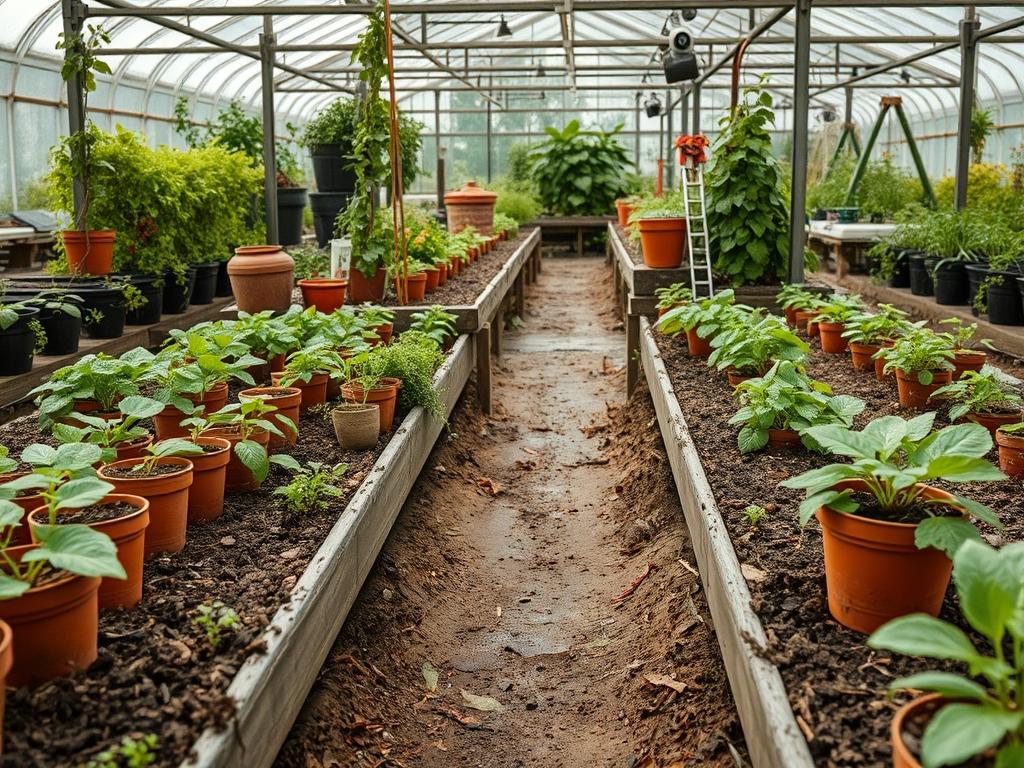
The successful management of a luxury landscape requires moving beyond the traditional chemical-heavy approaches of previous decades. Instead, modern outdoor environment consultants focus on biological equilibrium. Aphid infestations often serve as a symptom of a fractured ecosystem where the absence of Natural Aphid Predators allows pest populations to skyrocket, compromising both curb appeal and structural plant health. A high-functional yard does not merely look beautiful; it operates as a self-regulating biome. When designing for predator retention, we must consider the specific climate conditions of the site, from humidity levels to prevailing winds, as these factors dictate how beneficial insects move through the environment. By integrating specific floral resources alongside high-quality hardscaping, a landscape architect can transform a sterile lawn into a sophisticated sanctuary that defends itself against invasive pests without the need for toxic interventions.
Maintaining this balance is essential for protecting the investment of specimen trees and rare ornamentals. Aphids extract sap from tender new growth, causing leaf curl and secreting honeydew that fosters Sooty Mold growth. This mold can permanently stain expensive Bluestone Pavers or Composite Decking and reduce the photosynthetic capacity of the plants. By strategically planning for beneficial insects like Ladybugs, Green Lacewings, and Syrphid Flies, we ensure the longevity of the greenery. The goal is to create a landscape that is both an aesthetic triumph and an ecological powerhouse, where the architectural lines of the garden are supported by the invisible labor of predatory species.
Landscape Design Principles
To attract and retain Natural Aphid Predators, a landscape must be designed with structural diversity and elevation layers. Symmetry and focal points are not just for human viewers; they provide navigational cues for flying insects. We start at the ground level with Groundcovers such as Creeping Thyme or Sweet Alyssum, which provide cool, moist microclimates for predatory beetles. Moving upward, the shrub layer creates a mid-level hunting ground, while the tree canopy offers nesting sites for birds and larger insects. Visual balance is achieved by mixing these heights, ensuring that there is a continuous vertical corridor for predators to traverse.
Irrigation planning is another critical design pillar. Passive water features, such as Stone Bubblers or shallow Birdbaths with landing stones, are vital. Predators need hydration that does not involve drowning in deep pools. We also utilize grading to ensure that water moves away from the foundation of the home while still nourishing deep-rooted Native Plants that host beneficial larvae. Walkways made of Decomposed Granite or Flagstone can act as heat sinks, providing warm surfaces where Hoverflies can regulate their body temperatures during the cooler morning hours. By thoughtful placement of these elements, the landscape architect creates a rhythmic flow that supports both human leisure and insect activity.
Plant and Material Selection
| Plant Type | Sun Exposure | Soil Needs | Water Demand | Growth Speed | Maintenance Level |
| :— | :— | :— | :— | :— | :— |
| Yarrow (Achillea) | Full Sun | Well-drained | Low | Fast | Low |
| Dill (Anethum graveolens) | Full Sun | Rich, Loamy | Moderate | Fast | Moderate |
| Coriander (Coriandrum sativum) | Partial Shade | Loamy, Moist | Moderate | Medium | Moderate |
| Sweet Alyssum | Full Sun/Part Shade | Neutral pH | Moderate | Fast | Low |
| French Marigolds | Full Sun | Fertile | Moderate | Fast | Low |
| Fennel (Foeniculum vulgare) | Full Sun | Sandy/Loamy | Low | Medium | Low |
| Cosmos | Full Sun | Poor to Average | Low | Fast | Minimal |
Material selection extends beyond plant life to include the substrates that support them. We recommend using Double-Shredded Hardwood Mulch at a depth of 3 inches to provide cover for ground-dwelling predators like Carabid Beetles. Avoid inorganic mulches like rubber or dyed wood chips, which offer no biological value and may contain toxins that repel sensitive larvae. The use of Natural Cedar for Raised Beds or Trellises provides a durable structure that integrates seamlessly with the organic aesthetic while offering small crevices for hibernating insects.
Implementation Strategy
The implementation of a predator-friendly landscape begins with precise grading and site preparation. We start by analyzing the existing topography to ensure proper drainage, as standing water can lead to anaerobic soil conditions that kill beneficial pupae. Once the grade is established, we install Steel Edging or Belgium Block to define the boundaries between turf and garden beds. This clear delineation helps prevent root encroachment and ensures that mulch remains at the appropriate 3-inch depth to insulate the soil and house beneficial organisms.
Next, we address the soil structure. Compaction is the enemy of a living landscape. We use Core Aerators and incorporate Organic Compost to a depth of 8 inches before planting. This ensures that the root systems of our nectar-producing plants can establish quickly. When installing hardscaping, such as Dry Stack Stone Walls, we intentionally leave small gaps. These gaps serve as “insect hotels,” providing essential overwintering sites for Natural Aphid Predators. The final step is the installation of a Drip Irrigation System with localized emitters. This targets the root zones directly, keeping the foliage dry to prevent fungal diseases while ensuring that the “insectary” plants remain vibrant even during mid-summer heat waves.
Common Landscaping Failures
One of the most frequent failures in high-end landscaping is the overuse of broad-spectrum insecticides. These chemicals do not discriminate between the aphid and the Lacewing. When the predators are wiped out, the aphids, which reproduce much faster, return in even greater numbers without any natural checks. A second common mistake is root overcrowding. When plant specimens are placed too closely together, airflow is restricted, creating a stagnant environment that favors pest outbreaks. We recommend a minimum spacing of 18 inches for medium shrubs to ensure adequate circulation and light penetration.
Improper drainage and soil compaction also account for many landscape deaths. If the soil is too dense, the subterranean life cycles of many predators are interrupted. Furthermore, irrigation inefficiencies, such as overhead spraying during the heat of the day, can lead to scorched leaves and the washing away of delicate predator eggs. Finally, a lack of plant diversity creates a monoculture. If a yard consists only of Boxwood and Turfgrass, there are no floral resources to sustain the adult stages of predatory insects, meaning they will fly to a neighbor’s yard in search of food, leaving your property defenseless.
Seasonal Maintenance
Spring is the season of emergence. As temperatures rise, we focus on cleaning up the landscape without being too aggressive. We leave a small amount of leaf litter in the back of garden beds until nighttime temperatures consistently stay above 50 degrees Fahrenheit. This protects the emerging Ladybugs that have spent the winter tucked away. We then apply a fresh layer of Bark Mulch and begin a light fertilization program using Slow-Release Organic Pellets to support the flush of new growth.
In the summer, maintenance shifts to hydration management and deadheading. We prune spent blooms on plants like Yarrow and Cosmos to encourage a second wave of flowering, which ensures a steady supply of nectar for adult predators. This is also the time to monitor for aphid hotspots. Instead of reaching for a sprayer, we often use a sharp stream of water from a Pressure Nozzle to physically knock aphids off the plants, allowing the Natural Aphid Predators to finish the job.
Autumn requires a shift toward preservation. Rather than “clearing the decks” and leaving the soil bare, we allow the perennial stalks of Fennel and Dill to remain standing. These hollow stems serve as the primary winter housing for many beneficial species. In the winter, our role is one of observation. We check the structural integrity of Retaining Walls and ensure that Windbreaks are in place to protect sensitive evergreens. By maintaining a slightly “untidy” aesthetic in hidden corners of the yard, we guarantee a robust population of predators will be ready to deploy the following spring.
Professional Landscaping FAQ
How long does it take for predators to arrive?
Typically, once you install a diverse array of nectar-producing plants, Natural Aphid Predators will begin appearing within 7 to 10 days. The population reaches full stability over the course of two growing seasons as they establish local breeding cycles.
Will these beneficial insects bite my family or pets?
No, the primary predators such as Hoverflies, Lacewings, and Syrphid Flies are harmless to humans and animals. They are hyper-focused on nectar and pest consumption. Even the Predatory Wasps attracted to these plants are generally non-aggressive to people.
Can I still use fertilizers in my garden?
Yes, but you should prioritize Liquid Kelp or Granular Organic Fertilizers. Synthetic, high-nitrogen fertilizers can cause a sudden flush of succulent growth that is highly attractive to aphids, potentially overwhelming your predator population before they can react.
Is mulch necessary for pest control?
Absolutely. Specialized mulch acts as a habitat for Ground Beetles and Spiders, which are essential for catching aphids that fall or crawl between plants. A 3-inch layer of organic material is the professional standard for moisture retention and habitat.
What is the best way to monitor aphid levels?
Check the undersides of leaves on new growth. If you see ants, you likely have aphids, as ants “farm” them for honeydew. Look for small, colorful Ladybug Larvae, which resemble tiny alligators, as a sign that your biological controls are working.