
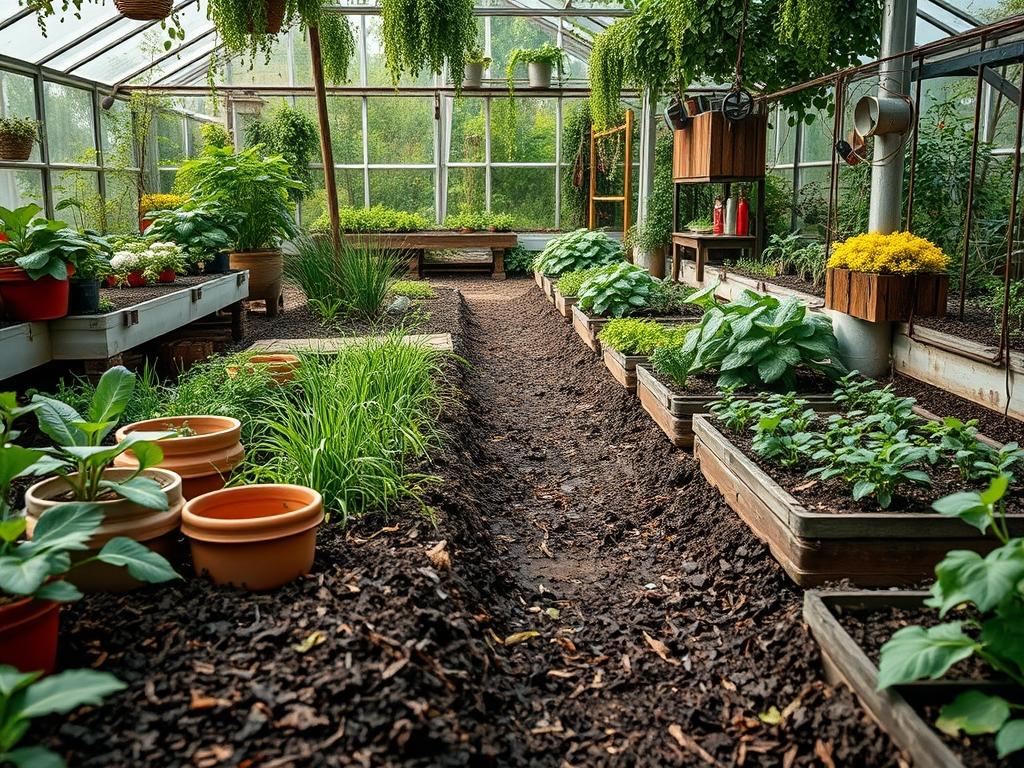
The modern landscape architect faces a persistent challenge: balancing aesthetic perfection with the increasing demands of resource conservation. In an era where water scarcity and soil depletion are common constraints, professionals must look beyond traditional bark and rock to find materials that serve multiple physiological and structural purposes. Using wool for mulch has emerged as a sophisticated solution for high end outdoor environments. It addresses the fundamental transition from high maintenance ornamental gardens to resilient, regenerative ecosystems. While conventional mulches often act merely as a physical barrier to sunlight, wool functions as a biological engine. It is a source of slow release nitrogen, a thermal insulator, and a superior moisture reservoir. Incorporating wool into a landscape plan immediately elevates the functional value of the site, providing a stable microclimate for delicate plantings while reducing the overall carbon footprint of the project. This innovative approach aligns with contemporary goals of enhancing curb appeal through lush, healthy growth that remains vibrant even during peak summer heat.
Landscape Design Principles
Effective landscape design relies on the core concepts of symmetry, focal points, and elevation layers to guide the eye and define the movement through a space. When integrating unconventional materials like wool, visual balance is maintained by using the material as a foundational layer beneath more traditional top dressings or by selecting processed wool pellets that blend into the soil profile. Focal points, such as an architectural Japanese Maple or a custom water feature, benefit significantly from wool mulch because it provides consistent hydration to the root zone, preventing the leaf scorch that often ruins a visual centerpiece.
Symmetry in a formal garden often requires uniform growth rates across identical plantings. Wool ensures this uniformity by standardizing the soil moisture and nutrient availability across different zones of the garden. Furthermore, elevation plays a critical role in how moisture is managed. On sloped terrain or near retaining walls, wool mats are exceptionally effective at preventing erosion. Unlike wood chips that may wash away during heavy rainfall, wool fibers interlock and adhere to the soil surface. This stabilization allows for successful planting on steep inclines where traditional irrigation might cause run off. By layering wool beneath a thin layer of decorative river stone or fine cedar, a designer can achieve the desired aesthetic while the hidden wool layer manages the hydraulic integrity of the slope.
Plant and Material Selection
The following table outlines plants that thrive when paired with the high moisture retention and nutrient profile provided by wool mulch.
| Plant Type | Sun Exposure | Soil Needs | Water Demand | Growth Speed | Maintenance Level |
| :— | :— | :— | :— | :— | :— |
| English Lavender | Full Sun | Well Drained | Low | Moderate | Low |
| Hostas | Partial Shade | Humus Rich | High | Fast | Medium |
| Blueberries | Full Sun | Acidic | High | Moderate | High |
| Boxwood | Full Sun/Shade | Loamy | Moderate | Slow | Medium |
| Coneflower | Full Sun | Poor to Average | Low | Fast | Low |
| Heuchera | Shade | Moist/Drained | Moderate | Moderate | Low |
Implementation Strategy
Developing a garden layout with wool mulch requires a systematic approach to ensure both structural stability and long term plant health. The process begins with professional grading. The site must be leveled or sloped strategically to manage drainage. Once the grade is established, the next step involves trench edging. Use a sharp spade to create a clean four inch deep vertical edge along walkways and turf lines. This prevents the wool from migrating and creates a professional, crisp boundary.
For the application of the material itself, there are two primary methods. Wool pellets are best for established beds where they can be spread using a broadcast spreader and then lightly raked into the top two inches of soil. For new installations or large scale ornamental beds, wool fleece mats are superior. Lay the mats directly over the bare soil, cutting an X-shape to accommodate the base of each plant. Ensure the wool does not directly touch the primary stem or trunk to prevent localized rot.
After the wool is positioned, apply a 2-inch depth of finishing mulch if a specific color or texture is desired. This top layer protects the wool from UV degradation and accelerates the composting process at the soil interface. Finally, calibrate the drip irrigation system. Because wool holds so much water, you can often reduce the frequency of irrigation cycles by thirty to forty percent. Monitor the soil with a moisture meter during the first month to establish the new baseline for the landscape.
Common Landscaping Failures
The most frequent mistake when using wool for mulch is failing to account for its high water holding capacity. In heavy clay soils, applying an excessively thick layer of wool can lead to anaerobic conditions if the site lacks proper drainage. This can result in root rot, especially for species that prefer dry feet. It is vital to assess soil porosity before application. If the soil is already prone to waterlogging, incorporate perlite or sand alongside the wool to maintain oxygen levels.
Another common failure involves improper spacing. Because wool provides a significant nitrogen boost as it breaks down, plants may grow more vigorously than anticipated. If the designer does not leave enough room for mature widths, the resulting root overcrowding can stress the plants and diminish the visual impact of the design. Additionally, professionals sometimes overlook the “wicking” effect. If the wool is left exposed at the edges of a bed, it can pull moisture away from the root zone and into the air. Always tuck the edges of the wool mats into the soil or cover them with a secondary material to keep the moisture where it belongs.
Seasonal Maintenance
Landscape management is a year round commitment that shifts with the biology of the wool. In the Spring, inspect the wool layers to see how much has decomposed over the winter. This is the ideal time to top dress with fresh pellets to provide a nutrient surge for the growing season. Use a garden fork to gently aerate the mulch layer without disturbing the plant roots.
During the Summer, the primary focus is irrigation monitoring. The wool will act as a buffer against extreme heat, but you must check the hydration levels during heatwaves. If the wool becomes bone dry, it may become hydrophobic; in this case, a light application of a wetting agent or a deep, slow soak is necessary to rehydrate the fibers.
When Autumn arrives, the wool mulch serves as a protective blanket for the soil microbes. Rake fallen leaves into the wool to create a nutrient dense “lasagna” layer that will break down over the cold months. Finally, in Winter, the insulation properties of wool are most valuable. It prevents the freeze-thaw cycles that can heave new perennials out of the ground. No additional wool is usually needed in winter, but checking the steel edging for frost heave is a good practice to ensure the garden’s structural lines remain intact.
Professional Landscaping FAQ
How does wool mulch affect the pH of my soil?
Wool is generally pH neutral but can provide a slight buffering effect. As it decomposes, it releases proteins and amino acids that foster a healthy microbial environment, which typically stabilizes the soil pH for most ornamental plant species.
Can wool mulch help with pest control in the garden?
Yes, the microscopic barbs on natural wool fibers act as a physical deterrent for slugs and snails. These pests find it difficult to crawl across the dry, textured surface, effectively protecting young seedlings and tender hostas from damage.
Will the wool smell as it begins to break down?
When applied correctly and covered with a thin layer of soil or bark, there is no detectable odor. The decomposition process occurs at a molecular level, and the nitrogen is absorbed by the soil before any scent can develop.
Does using wool for mulch attract rodents or birds?
Birds may occasionally take small amounts of exposed wool for nesting material, but it does not attract rodents. In fact, since it does not contain seeds or grains like some straw mulches, it is less likely to harbor pests.
How long does a single application of wool mulch last?
A standard application typically lasts between twelve and twenty-four months depending on the local climate and soil activity. In wet, warm environments, it breaks down faster, providing a quicker nutrient release for the surrounding landscape.