
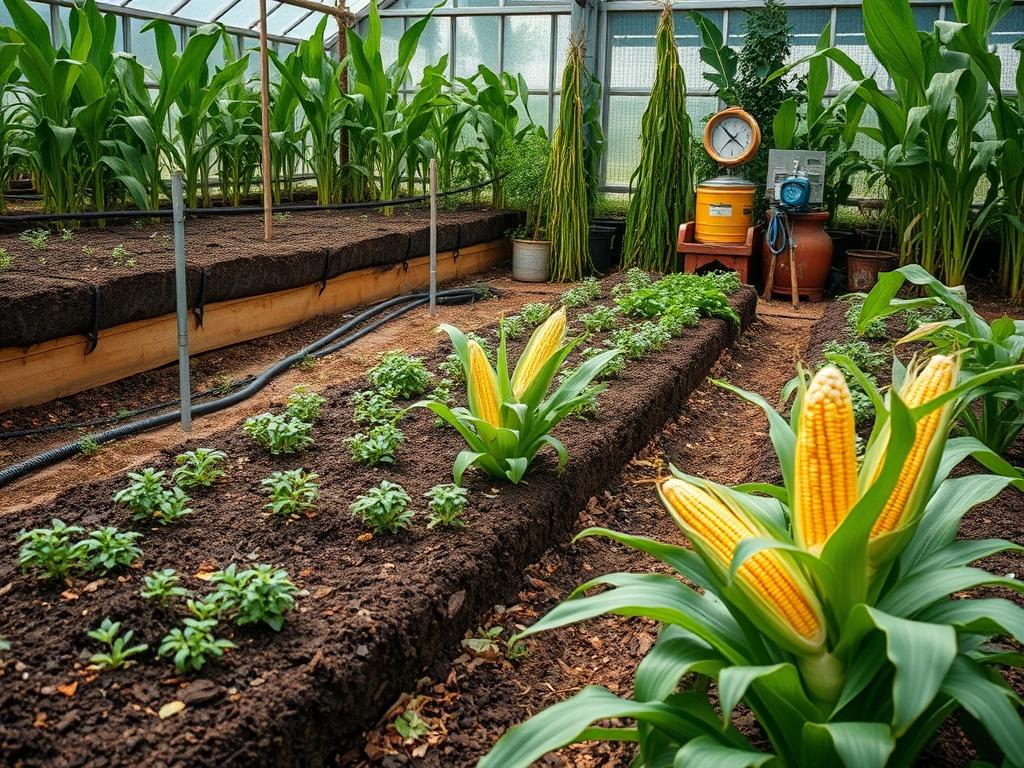
Integrating a productive grain crop like flour corn into a professional landscape design requires a sophisticated balance between agricultural utility and aesthetic harmony. When the primary objective is saving corn for flour, the landscape architect must look beyond the immediate harvest to consider the entire lifecycle of the plant, including the structural presence of drying stalks in the late season. Traditional residential landscapes often favor ornamental flora, yet the massive architectural presence of Zea mays can provide a striking vertical element that defines spaces and creates privacy screens. The challenge lies in managing the transition from the vibrant green of the growing phase to the golden, brittle textures required for field drying. Every design choice, from the placement of retaining walls to the selection of gravel pathways, must facilitate access for maintenance while ensuring the harvest remains a focal point rather than an eyesore. By approaching the corn plot as an intentional garden room rather than a hidden utility patch, we can elevate the practice of home-scale grain production into a high-end outdoor environment.
Landscape Design Principles
In professional landscape architecture, symmetry and focal points act as the skeletal structure of the property. When planning a space meant for saving corn for flour, the verticality of the corn must be used to enhance the site’s elevation layers. Corn stalks, often reaching heights of 8 to 10 feet, serve as an excellent backdrop for lower-perennial borders or as a central “maize room” that invites exploration. Utilizing a grid-based planting system not only ensures the high density required for wind pollination but also creates a clean, intentional line that mirrors the geometry of contemporary hardscaping. Architects should consider the sightlines from the primary residence; the corn should be positioned where its seasonal transformation reflects the changing character of the garden without obstructing essential views.
Elevation and grading are critical when incorporating heavy feeders like flour corn. Since corn requires excellent drainage to prevent root rot, particularly in the early stages, creating slightly elevated raised beds or terraforming the land to include subtle swales can manage water runoff effectively. The use of stone masonry or pressure-treated timber to define these areas provides a visual “weight” that anchors the tall, airy stalks to the ground. Furthermore, irrigation planning must be integrated into the initial layout. Subsurface drip irrigation is the gold standard for this application, as it delivers moisture directly to the root zone without wetting the foliage, which is vital during the late season when stalks must remain dry for the curing process.
Plant and Material Selection
Selecting the right cultivars and companion materials is essential for a landscape that remains functional throughout the drying cycle. While the focus is on the corn, the surrounding palette must provide year-round interest and soil stabilization.
| Plant Type | Sun Exposure | Soil Needs | Water Demand | Growth Speed | Maintenance Level |
| :— | :— | :— | :— | :— | :— |
| Flour Corn (Heritage) | Full Sun | Rich Loam | Moderate | High | Moderate |
| Creeping Thyme | Full Sun | Well-drained | Low | Medium | Low |
| French Marigold | Full Sun | Standard Garden | Moderate | High | Low |
| Winter Squash | Full Sun | High Nitrogen | High | Moderate | Medium |
| Blue Star Creeper | Partial Sun | Moist/Loamy | Moderate | High | Low |
For the hardscape elements, materials should be chosen for their durability and lack of interference with soil chemistry. Natural flagstone or decomposed granite pathways allow for easy movement with garden carts during the harvest. When saving corn for flour, you will be transporting a significant volume of dry ears, so the walkway width should be no less than 36 inches. Using landscape fabric beneath these paths prevents weed encroachment into the grain plots, maintaining a crisp, professional appearance throughout the growing season.
Implementation Strategy
The successful implementation of a landscape designed for grain production begins with rigorous site preparation. First, the area must be cleared of existing turf, and a grading rake should be used to ensure a level surface or a consistent 2 percent slope toward a designated drainage exit. If the soil is heavy clay, incorporating organic compost and expanded shale to a depth of 12 inches will improve the aeration necessary for vigorous root development. Professional edging, such as steel edging or poured concrete curbs, should be installed to define the transition between the grain plot and surrounding lawn or ornamental beds. This prevents the vigorous root systems of grasses from competing with the corn for nitrogen.
Once the hardscape and borders are set, the irrigation layout must be pinned down. Using 1/2-inch poly tubing with 0.9 gallon-per-hour emitters spaced every 12 inches provides the precise hydration needed. When the corn is planted, it should be grouped in blocks rather than single rows to facilitate the wind-driven pollination essential for full kernels. After the corn reaches a height of 6 inches, applying a 3-inch layer of shredded cedar mulch or pine straw will conserve moisture and suppress weeds. This mulch layer also protects the soil from compaction during the late-season harvest, ensuring the ground remains friable for the following year’s rotation.
Common Landscaping Failures
One of the most frequent errors in integrating grain crops is inadequate spacing, which leads to poor air circulation and increased fungal pressure. In the context of saving corn for flour, where the stalks must remain in the field until they are fully dry, overcrowding can trap humidity and cause the ears to mold on the plant. Architects must design for a minimum of 12 inches between plants and 30 inches between rows to allow for the movement of wind and sunlight. Another common failure is improper drainage management. If water pools around the base of the stalks during late-autumn rain events, it can lead to “lodging,” where the entire plant falls over into the mud, ruining the crop’s flour potential.
Soil compaction is another silent killer of productive landscapes. Foot traffic should be strictly relegated to designated paved pathways or stepping stones. When visitors or workers walk directly on the root zone, they collapse the micropores in the soil, preventing oxygen from reaching the roots and slowing grain maturation. Finally, many planners fail to account for the nitrogen depletion that occurs when growing heavy-feeding grains. Failing to plan for a post-harvest cover crop or a significant infusion of composted manure ensures that the following year’s landscape will look stunted and yellowed.
Seasonal Maintenance
Seasonal management begins in the spring with a thorough soil test to determine the necessary amendments for the upcoming growth cycle. Once the soil temperature reaches 60 degrees Fahrenheit, the corn can be sown. During the summer months, the primary task is monitoring the irrigation system for clogs and ensuring that the tall stalks are not being damaged by high winds. If necessary, a professional landscaper might use twine and stakes to create a subtle support system that prevents the architectural lines of the garden from being broken by storm damage.
Autumn is the most critical period when saving corn for flour. The irrigation is gradually reduced to allow the plant to naturally senesce. The aesthetic changes from emerald green to a deep ochre; this is the time to ensure that the surrounding evergreen plants provide enough structure to keep the garden looking intentional. Once the husks are brown and the kernels are too hard to dent with a fingernail, the harvest can begin. In the winter, after the stalks are cleared, the landscape should be put to bed with a layer of winter mulch or a cover crop like crimson clover. This protects the soil from erosion and prepares the “garden room” for its spring reawakening, maintaining the property’s value and visual appeal.
Professional Landscaping FAQ
How do I prevent my flour corn from falling over in high winds?
Ensure deep root penetration by avoiding frequent shallow watering. Use mounding techniques, pulling 6 inches of soil around the base of the stalks when they reach knee-height. This provides extra structural support and promotes the growth of brace roots.
Can I grow flour corn in large containers or planters?
While possible, it is not recommended for high-quality flour production. Corn requires a large volume of soil for nitrogen uptake and block planting for pollination. Use raised beds at least 4 feet by 4 feet for better results.
What is the best way to handle the brown stalks in autumn?
Incorporate them into your aesthetic as a textural element. Pair the drying corn with evergreen shrubs or ornamental grasses like Muhly Grass. This creates a purposeful “prairie” look that justifies the presence of the drying grain.
How does corn impact the soil pH of my landscape?
Corn prefers a slightly acidic to neutral pH between 6.0 and 6.8. Use sulfur to lower pH or lime to raise it. Regularly monitor soil health to ensure the corn does not deplete minerals needed by neighboring ornamental plants.
Does flour corn require more water than standard ornamental plants?
Initially, yes. During the silking and tasseling stages, corn has high water demands. However, as you transition toward the goal of saving corn for flour, water should be strictly limited to allow the kernels to dry and harden naturally.