
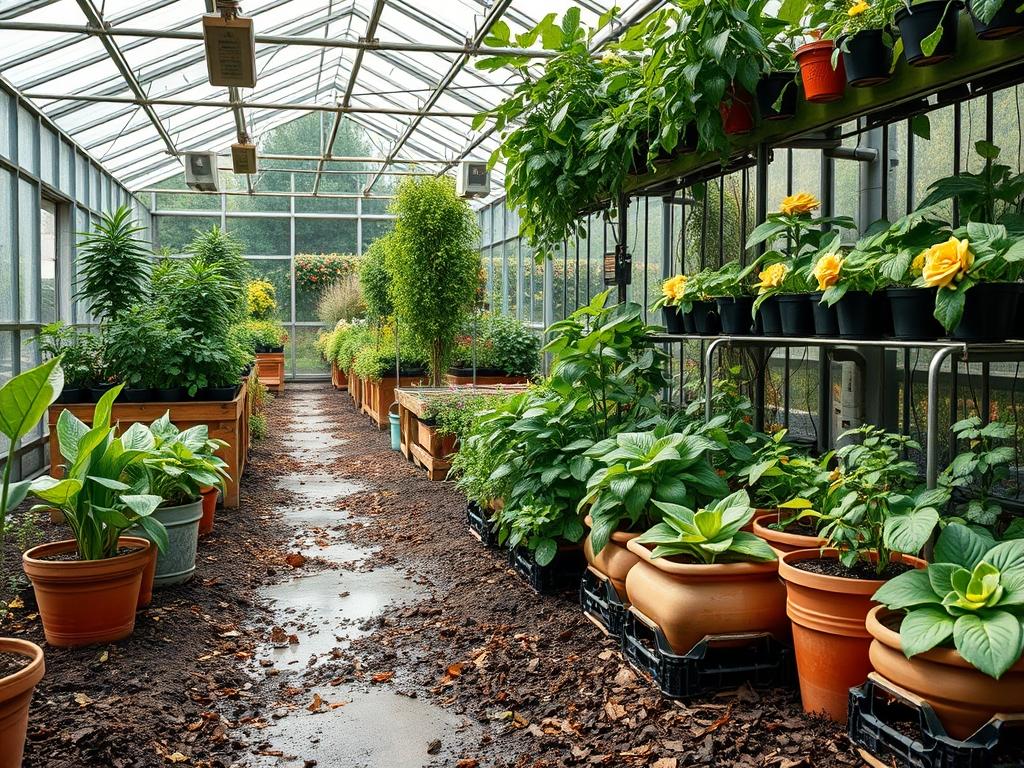
The management of a high-end landscape requires more than an eye for aesthetics; it demands a deep understanding of the biological stressors that affect plant health during extreme weather. When temperatures consistently exceed 85 degrees, the ecological balance of a garden shifts rapidly. This heat, especially when paired with low humidity and stagnant air, triggers the explosive reproductive cycle of spider mites. These microscopic arachnids can devastate a property’s curb appeal by stripping the chlorophyll from ornamental foliage, leaving behind a dull, bronzed, or stippled appearance. For landscape architects, the challenge lies in maintaining outdoor functionality while implementing Natural Spider Mite Cures that do not compromise the integrity of the soil or the health of local pollinators. A proactive approach involves integrated pest management (IPM) strategies that prioritize cultural controls, biological interventions, and organic topicals. By designing for resilience, a consultant ensures that the investment in high-value specimens and complex hardscaping remains protected against the seasonal surges of these persistent pests.
Landscape Design Principles
Effective landscape design serves as the first line of defense against pest infestations. Symmetry and focal points often dominate the visual conversation, but functional design should prioritize airflow and humidity management. Air stagnation is a primary driver of spider mite colonies. When designing elevation layers, architects should avoid creating “heat traps” where stone walls or dark-colored hardscaping radiate thermal energy onto sensitive plants. By spacing plants like Buxus sempervirens or high-value Acer cultivars with enough room for air to circulate, you naturally lower the leaf-surface temperature. This mechanical cooling makes the environment less hospitable for mites.
Elevation and layout also play a role in irrigation planning. Spider mites thrive on drought-stressed plants. A well-designed landscape utilizes a Drip Irrigation system that delivers water directly to the root zone, ensuring the plant stays hydrated without wasting resources. However, in the context of Natural Spider Mite Cures, a secondary overhead misting system can be beneficial. Briefly increasing the ambient humidity around the foliage for five minutes in the early morning can disrupt mite egg-laying patterns. Visual balance is maintained by hideaway irrigation components that do not detract from the clean lines of the garden, while the functional benefit of humidity management preserves the vibrant greens of the foliage.
Landscapers must also consider the role of beneficial insect habitats. Designing borders with flowering native perennials attracts lacewings and predatory mites, which are the most effective long-term Natural Spider Mite Cures. A garden that is too sterile or overly manicured often lacks the biological diversity needed to keep pest populations in check. Strategic “wild” zones or diverse planting beds provide a sanctuary for these beneficial organisms.
Plant and Material Selection
Selecting the right materials and plant species is essential for a low-maintenance, pest-resistant landscape. The following table outlines how different plant types interact with the environment and their susceptibility to stressors.
| Plant Type | Sun Exposure | Soil Needs | Water Demand | Growth Speed | Maintenance Level |
| :— | :— | :— | :— | :— | :— |
| Buxus sempervirens | Partial to Full | Well-Drained | Moderate | Slow | High |
| Juniperus varieties | Full Sun | Sandy/Loamy | Low | Medium | Low |
| Rosa rugosa | Full Sun | Rich/Organic | High | Fast | High |
| Heuchera | Shade/Partial | Loamy/Moist | Moderate | Medium | Low |
| Picea glauca | Full/Partial | Acidic/Drained | Moderate | Slow | Medium |
| Lantana camara | Full Sun | Adaptable | Low | Fast | Low |
Implementation Strategy
Implementing a landscape plan that accounts for Natural Spider Mite Cures begins with proper site preparation. Start with Grading the area to ensure a 2 percent slope away from structural foundations. This prevents water from pooling, which can lead to root rot; a weakened root system makes a plant an easy target for mites. Once the grade is established, define the garden beds using metal or stone Edging to maintain clean lines and prevent turf grass from encroaching on ornamental zones.
The next step is the soil. Incorporate organic matter to improve the soil’s water-holding capacity. A plant that has consistent access to moisture is far less likely to emit the chemical distress signals that attract spider mites. After planting your focal specimens at their proper Root Ball depth, apply a layer of Double-shredded hardwood mulch. A 3-inch depth is the professional standard for retaining moisture and suppressing weeds. In hot weather, this mulch layer acts as an insulator, keeping the soil cool and reducing the radiant heat that mites prefer.
For active infestations in hot weather, the implementation of Natural Spider Mite Cures must be handled with care. If using Neem Oil or Insecticidal Soap, they must be applied during the “cooling window,” which is typically after 7:00 PM when the sun is low and temperatures are below 80 degrees. Applying oils in the direct midday sun can cause phytotoxicity, effectively “cooking” the leaves you are trying to save. A Pressure Sprayer with a fine mist nozzle is the best tool for this, ensuring the undersides of the leaves are thoroughly coated, as this is where the mites reside and lay eggs.
Common Landscaping Failures
The most frequent mistake in high-end landscaping is root overcrowding. When plants are placed too close together to achieve an “instant” full look, they quickly compete for nutrients and water. This competition creates physiological stress, making the entire section vulnerable to a mite takeover. Similarly, improper spacing inhibits the transition of air. If the wind cannot move through the canopy, the humidity drops and the temperature rises, creating a perfect microclimate for pests.
Drainage mistakes also rank high among common failures. Soil compaction, often caused by heavy machinery during the construction phase of hardscaping, prevents water from penetrating the subsoil. When the top inches of soil dry out rapidly in the summer heat, the plant enters a state of midday wilt. Mites sense this vibration and move in quickly. Additionally, over-fertilizing with high-nitrogen synthetic products can be a failure. While nitrogen produces rapid green growth, that growth is often weak and “soft,” providing a high-sugar food source that causes spider mite populations to skyrocket.
Irrigation inefficiencies, such as uneven spray patterns from broken Rotor Heads, leave dry spots in the landscape. These “hot spots” often serve as the ground zero for an infestation that eventually spreads to the rest of the property. Professional landscape monitoring must involve checking for these dry patches before the heat of summer arrives.
Seasonal Maintenance
Landscape management is a year-round cycle. In the Spring, the focus is on cleanup and prevention. Prune any dead or crossing branches to improve light penetration and airflow. Apply a pre-emergent weed control and refresh the mulch to ensure a consistent 3-inch depth. This is also the time to release Predatory Mites such as Phytoseiulus persimilis if the property has a history of infestations.
Summer maintenance is the most critical period for Natural Spider Mite Cures. Regularly use a Soil Moisture Meter to ensure the root zones are not drying out. Use high-pressure water blasts from a Garden Hose once a week to physically knock mites and their webbing off the plants. This mechanical control is highly effective and requires no chemicals. Monitor the foliage for the first signs of stippling and intervene immediately with Potassium Salts of Fatty Acids if necessary.
Autumn is the time for sanitation. Many spider mites over-winter in leaf litter and garden debris. Removing fallen leaves and spent perennials reduces the population that will emerge the following spring. It is also the best time for Core Aeration of the turf and garden margins to combat soil compaction.
Winter focus shifts to dormant protection. Applying a Dormant Oil spray to woody ornamentals during a thaw can suffocate over-wintering mite eggs. This ensures that when the heat returns the following year, the pest pressure starts at a much lower baseline.
Professional Landscaping FAQ
What is the fastest natural cure for a spider mite outbreak?
A high-pressure water blast is the fastest mechanical cure. Forcefully spraying the undersides of leaves with a Garden Hose breaks their webs and physically removes the mites, immediately reducing the population without using any chemical or oil-based products.
Why did my plants burn after applying neem oil?
Neem Oil and other horticultural oils act as a lens for sunlight. If applied in temperatures above 85 degrees or during direct sunlight, the oil causes the leaf tissue to overheat and burn. Always apply at dusk or dawn.
How often should I mist plants to prevent mites?
In hot, dry weather, misting focal specimens every morning for 3 to 5 minutes can be highly effective. This increases local humidity and makes the leaf surface less attractive for egg-laying, significantly slowing the pest’s reproductive cycle.
Can mulch types affect spider mite populations?
Yes. Light-colored or inorganic mulches like white stone can reflect heat onto the undersides of leaves, encouraging mites. Dark, organic Hardwood Mulch absorbs heat and retains moisture, creating a cooler and more humid environment that discourages mite colonization.
Do predatory mites actually work in outdoor landscapes?
Beneficial insects like Lacewings and Phytoseiulus persimilis are very effective if released early in the season. They provide a biological balance that reduces the need for manual intervention, though they require a landscape with minimal synthetic pesticide use to survive.