Developing a resilient outdoor environment requires a macro-level understanding of plant life cycles and site-specific adaptations. When designing an edible landscape, the goal is often to create a permanent, self-sustaining system that maximizes both aesthetic value and food production. Saving Pepper Seeds represents a critical component of this sustainable methodology. By selecting seeds from the most successful specimens on your property, you are effectively breeding plants that are perfectly adapted to your specific drainage patterns, soil chemistry, and microclimate. This practice transforms a standard garden into a living laboratory where the landscape matures and improves every year. A senior landscape architect views this not merely as garden maintenance, but as strategic resource management that ensures the long-term vitality of the softscape.
Landscape Design Principles
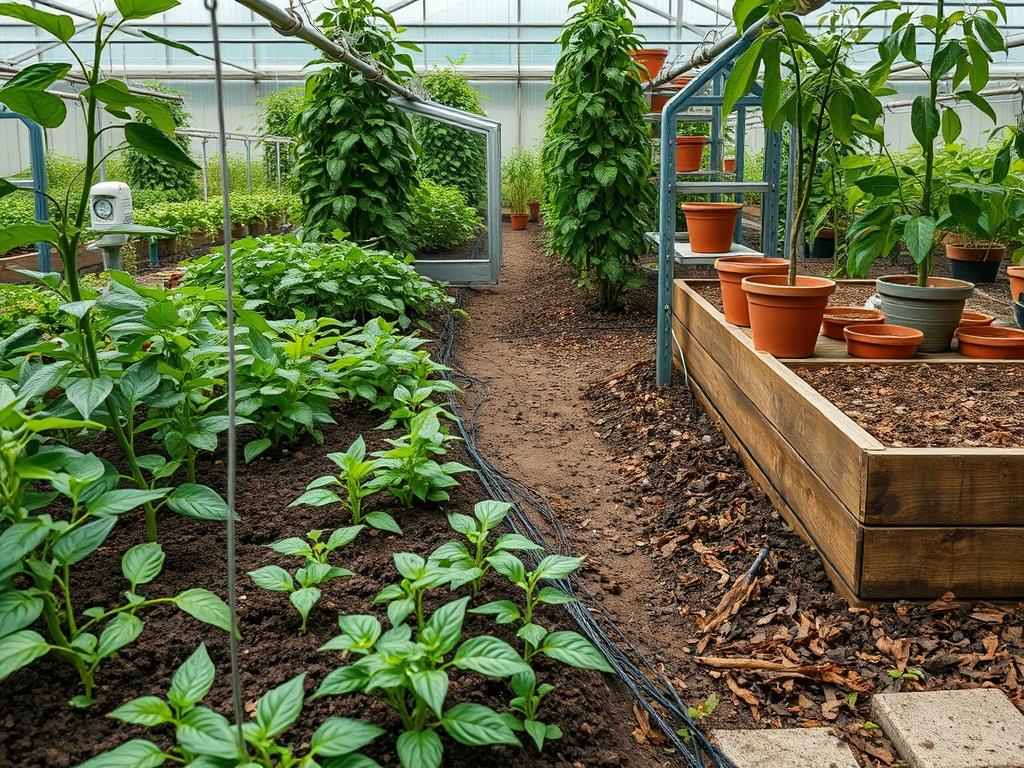
Integrating peppers into a high-end landscape requires a balance between architectural form and functional utility. We often utilize peppers as mid-height layers in a tiered garden design, positioning them between low-growing groundcovers and taller woody shrubs or retaining walls. To maintain symmetry, many designers use Bell Peppers in rows of three or five, creating a structured look that guides the eye toward a central focal point, such as a water feature or an ornamental tree. The vibrant colors of the ripening fruit provide seasonal visual interest that rivals many traditional ornamental plants.
Elevation layers are vital for successful seed production. Because peppers require exceptional drainage, they are often placed in raised beds or on the upper side of a sloped elevation. This prevents root rot and ensures that the plant has the energy required to produce high-quality, viable seeds. From a human-centric perspective, placing these plants near a stone walkway allows for easy access during the harvest and protects the soil from compaction caused by foot traffic. Proper irrigation planning is also essential; we recommend drip irrigation systems installed beneath a layer of hardwood mulch to ensure consistent moisture without wetting the foliage, which can lead to diseases that compromise seed health.
Plant and Material Selection
Effective landscaping begins with selecting the right cultivars and supporting materials. The following table outlines the requirements for various pepper types commonly used in professional edible landscapes.
| Plant Type | Sun Exposure | Soil Needs | Water Demand | Growth Speed | Maintenance Level |
| :— | :— | :— | :— | :— | :— |
| Bell Pepper | Full Sun | Loamy, pH 6.5 | High | Moderate | Medium |
| Habanero | Full Sun | Sandy, well-draining | Moderate | Slow | High |
| Jalapeno | Full Sun | Organic-rich loam | Moderate | Fast | Low |
| Thai Birdseye | Full Sun | Well-draining soil | Low | Fast | Low |
| Serrano | Full Sun | Compost-amended | Moderate | Moderate | Medium |
In addition to the plants themselves, certain materials are necessary for maintaining the environment. We recommend a 3 inch layer of organic mulch to regulate soil temperature. For the seed saving process, you will need a sharp utility knife, fine-mesh sieves, parchment paper, and airtight glass jars.
Implementation Strategy
The implementation of a seed-saving landscape starts with site preparation. Proper grading is the first step; the land must fall away from the planting site at a minimum of two percent to prevent water from pooling around the root zones. Once the grade is established, we install edging to define the planting beds and prevent the encroachment of lawn grasses.
When your goal is Saving Pepper Seeds, you must manage the physical layout to prevent cross-pollination. If you plant a Jalapeno directly next to a Habanero, insect pollinators will likely cross-pollinate the flowers. While this does not affect the fruit you eat this year, the seeds you save will produce unpredictable, often inferior, hybrid plants next season. To maintain genetic purity, landscape architects recommend a minimum isolation distance of 50 feet between different varieties of the same species. In smaller urban backyards where this distance is not possible, we use fine mesh blossom bags or temporary screened cages to isolate specific flowers before they open.
Once the fruit reaches full maturity, usually indicated by a deep red, yellow, or orange color depending on the variety, the extraction process begins. For non-fleshy peppers, simply cut the fruit open and scrape the seeds onto parchment paper. For fleshier varieties, you may need to rinse the seeds in a fine-mesh sieve to remove any remaining pulp or sugars that could lead to mold growth. Dry the seeds in a well-ventilated area away from direct sunlight for at least 14 days. Once the seeds are brittle and cannot be dented by a fingernail, they are ready for storage in a cool, dark environment.
Common Landscaping Failures
One of the most frequent mistakes in edible landscaping is root overcrowding. When designers pack peppers too closely together to create an immediate “full” look, they compromise the airflow between plants. Reduced airflow increases humidity, which encourages fungal pathogens like powdery mildew. This infection can weaken the plant and result in seeds that have low germination rates. We suggest a minimum spacing of 18 inches to 24 inches between pepper plants to ensure adequate light penetration and air movement.
Another common failure involves irrigation inefficiencies. Over-watering is particularly detrimental during the late stages of fruit development. If the soil remains saturated, the plant may experience a burst in fruit growth that causes the skin to crack, exposing the interior seeds to bacteria. Conversely, soil compaction from heavy equipment or high foot traffic can restrict oxygen to the roots, leading to stunted growth. Architects must ensure that the walking paths are clearly defined using pavers or crushed stone to keep people out of the planting zones.
Seasonal Maintenance
Managing a pepper-centric landscape requires a year-round commitment to soil health and plant vigor. In the Spring, the focus is on soil amendments and transplanting. We recommend incorporating 2 inches of compost into the topsoil to provide a slow-release nutrient base. Once the soil temperature consistently reaches 60 degrees Fahrenheit, seedlings can be moved into the landscape.
During the Summer, maintenance shifts to irrigation management and pest monitoring. Hand-pull any weeds that emerge near the base of the plants, as they compete for the specific micronutrients required for seed development. In the Autumn, the harvest for seed saving takes place. This is also the time to perform a final grading check to ensure that the autumn rains will not cause erosion around the dormant beds.
In the Winter, the landscape is put to rest. Clear away old pepper stalks to prevent overwintering pests. This is also the ideal time to organize your saved seeds. Store them in a location with a stable temperature, ideally between 35 and 45 degrees Fahrenheit. Using silica gel packets in your storage containers can help maintain the low humidity levels necessary for long-term viability.
Professional Landscaping FAQ
How do I know if my pepper seeds are dry enough for storage?
Seeds should be brittle and snap rather than bend. If you can leave a mark in the seed with your fingernail, it requires more drying time. Proper desiccation is the most vital step in preventing fungal growth during the winter months.
Can I save seeds from peppers bought at the grocery store?
It is generally discouraged for professional landscapes. Most commercial peppers are F1 hybrids, meaning their seeds will not produce plants identical to the parent. Furthermore, store-bought produce may carry pathogens that could contaminate your native soil and existing plant beds.
What is the best way to prevent cross-pollination in a small backyard?
Use blossom bags made of fine mesh to cover individual flower buds before they open. Once the fruit begins to set, the bag can be removed. Mark these specific peppers with a bright ribbon to identify them as the designated seed-bearers.
Does mulch depth affect pepper seed quality?
Yes, indirectly. A 3 inch layer of mulch maintains consistent soil moisture, which prevents the plant from experiencing the stress of drought-and-flood cycles. A stable, healthy plant consistently produces seeds with higher nutrient reserves and better overall germination potential for next year.
How long will saved pepper seeds remain viable?
When stored in a cool, dry, and dark environment, most pepper seeds will maintain a high germination rate for 2 to 4 years. However, for the best results in your landscape design, we recommend rotating your stock and planting fresh seeds every season.