
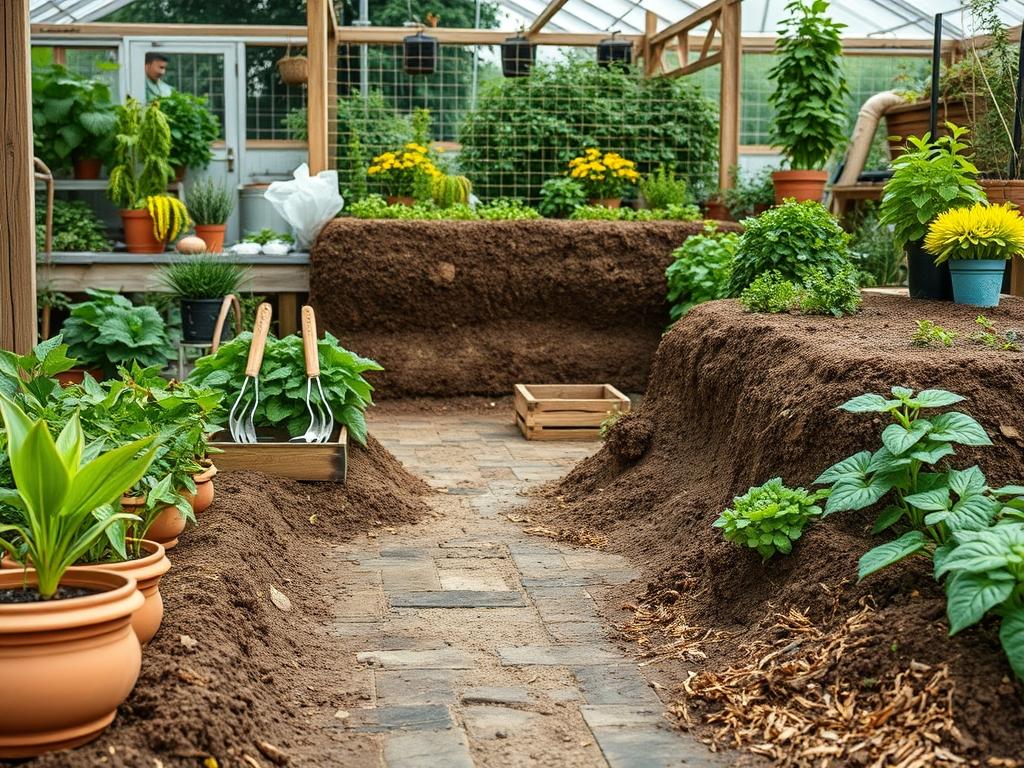
The modern landscape architect faces a dual challenge in the current climate; creating aesthetically pleasing environments while simultaneously addressing the urgent need for water conservation and soil regeneration. Traditional ornamental gardens often rely on heavy irrigation and chemical fertilizers, which eventually lead to soil depletion and high maintenance costs. Building Hugelkultur mounds offers a sophisticated, regenerative solution that transforms yard waste into a self-sustaining ecosystem. By burying large quantities of woody debris beneath layers of compost and soil, we create a raised bed that mimics the natural decomposition processes found on a forest floor. This technique not only adds dramatic vertical interest to a flat lot but also serves as a long term moisture reservoir, significantly reducing the need for supplemental watering after the first two years of establishment.
From a functional perspective, these mounds act as topographical features that manage site drainage and wind patterns. In regions prone to heavy rainfall, a well placed mound can divert surface runoff away from a home foundation, acting as a natural bioswale. Conversely, in arid environments, the decaying wood inside the mound behaves like a sponge, soaking up winter rains and releasing moisture slowly during the heat of summer. This subterranean irrigation system allows for the growth of diverse plant species that might otherwise struggle in local soil conditions. As the organic material inside the mound breaks down over several decades, it creates a nutrient rich environment that supports high yields for edible landscapes and vibrant growth for ornamental installations.
Landscape Design Principles
Integrating Hugelkultur into a professional site plan requires a keen eye for elevation layers and visual balance. Rather than appearing as a random pile of debris, the mound should be treated as a structured berm that provides a focal point for the garden. Architects often use these features to create natural privacy screens, using the height of the mound to elevate shrubs and small trees above eye level. Symmetry can be achieved by flanking a central walkway with twin mounds, creating a grand, immersive entrance to a backyard sanctuary.
Elevation is a critical design tool in landscaping, as it provides a sense of enclosure and depth. Hugelkultur mounds allow designers to create significant grade changes without the expense of importing large amounts of clean fill dirt or constructing restrictive concrete retaining walls. Instead, the wood core provides the necessary bulk. Visual balance is maintained by tapering the ends of the mound into the existing grade, ensuring the feature feels integrated rather than forced. Irrigation planning is simplified because the mound itself becomes the primary water management tool, though a secondary drip line may be installed along the ridge for the initial establishment phase. Walkways should be designed to wind around the base of these mounds, allowing visitors to experience the varied microclimates created by the sunward and leeward slopes.
Plant and Material Selection
The success of a Hugelkultur project depends heavily on selecting the correct biological and structural components. Hardwood species like Oak, Maple, and Birch are ideal for the core because they decompose slowly and provide long term stability. Avoid using Black Walnut because it contains juglone, which can inhibit the growth of surrounding plants, and be cautious with Cedar or Redwood, as their natural rot resistance slows the initial moisture absorption process.
| Plant Type | Sun Exposure | Soil Needs | Water Demand | Growth Speed | Maintenance Level |
| :— | :— | :— | :— | :— | :— |
| Blueberry | Full Sun | Acidic, Rich | Moderate | Medium | Low |
| Lavender | Full Sun | Well-Drained | Low | Fast | Minimal |
| Elderberry | Part Shade | Moist, Loamy | High | Very Fast | Moderate |
| Zucchini | Full Sun | Heavy Organic | Moderate | Rapid | High |
| Serviceberry | Full/Part Sun | Adaptable | Low | Medium | Minimal |
When selecting plants, consider the vertical zonation of the mound. The top of the mound will be the driest area, making it suitable for drought tolerant species like Lavender or Sage. The base of the mound stays consistently moist, providing the perfect habitat for water loving plants or heavy feeders. This natural moisture gradient allow designers to place a wider variety of species within a small footprint than a flat garden bed would permit.
Implementation Strategy
The construction process begins with a clear site plan and precise marking of the mound perimeter. For a standard residential application, an area 3 feet wide by 10 feet long is a manageable starting point. Start by using an Excavator or a Spade to dig a trench approximately 1 foot to 2 feet deep. This trench serves as the foundation for your largest logs. Place the heaviest Hardwood logs at the very bottom; these will serve as the long term moisture battery for the system.
Once the base layer is set, fill the gaps between the logs with smaller branches, twigs, and leaf litter. This prevents large air pockets from forming, which could lead to internal collapse or provide a home for unwanted rodents. Following the woody layer, add a 6 inch layer of nitrogen rich material such as Fresh Grass Clippings or Aged Manure. This nitrogen is essential because the carbon heavy wood will initially consume nitrogen as it begins to break down. Finish the mound by applying a 4 inch layer of Topsoil and a 2 inch layer of Organic Mulch. The final height of the mound may reach 5 feet to 6 feet, though it will settle by about twenty percent during the first year. Proper edging with Stone or Steel Edging will keep the base of the mound contained and provide a clean transition to lawn or patio areas.
Common Landscaping Failures
One of the most frequent mistakes in building Hugelkultur mounds is improper wood selection. Using Evergreens like Pine or Spruce in excessive amounts can increase the acidity of the soil beyond what most ornamental plants can tolerate. Additionally, failing to pack the interstitial spaces between logs with soil or compost can result in significant structural sagging. This creates large voids where roots cannot find purchase, leading to stunted growth or plant death.
Drainage mistakes also occur when the mound is built on a site with poor subterranean perk. If the ground beneath the mound is heavy clay, the trench may turn into a subterranean bathtub, causing the wood to ferment rather than decompose aerobically. This leads to root rot for any plants installed on the mound. Furthermore, improper spacing of large trees on the mound can lead to instability; as the wood underneath rots, the root systems of large trees may lose their anchor. It is generally better to stick to shrubs, perennials, and small fruiting trees to ensure the mound remains a permanent and safe part of the landscape.
Seasonal Maintenance
Maintenance requirements for a Hugelkultur system shift as the mound matures. In the spring, gardeners should inspect the structure for any major settling that occurred during the winter thaws. Adding a fresh layer of Compost or Screened Loam to the top of the mound helps replenish the planting medium. This is also the time to prune any perennial shrubs and check the integrity of the Mulch layer to ensure weed suppression.
During the summer, especially in the first two years, monitoring moisture levels is vital. While the goal is a self watering garden, the wood takes time to become fully saturated. If the leaves of your Serviceberry begin to wilt, a deep, slow soak is necessary. In autumn, the mound should be topped with fallen leaves and organic debris to mimic natural forest cycles. This provides a slow release of nutrients through the winter months. Winter maintenance is minimal, though it is important to avoid walking on the mound when the ground is frozen to prevent soil compaction, which destroys the delicate fungal networks essential for wood decomposition.
Professional Landscaping FAQ
How long does a Hugelkultur mound last before it needs replacing?
A well constructed mound using Hardwood can last for 20 to 30 years. As the wood inside decomposes, the mound will slowly decrease in height, eventually becoming a flat, extremely fertile area of the garden that requires no further intervention.
Will the buried wood attract termites to my house?
Termites are generally drawn to moist, dead wood, but they prefer structured lumber. By keeping the mound at least 15 feet from the home foundation and maintaining a healthy ecosystem of predatory insects and fungi, the risk of home infestation is minimized.
Can I build a mound on top of the ground without digging a trench?
Yes, you can build above ground, but it requires more frequent watering during the first few seasons. A trench allows the wood to sit in the existing water table, which speeds up the saturation process and provides better stability for the structure.
What is the best time of year to start building the mound?
Autumn is the ideal season for construction. This allows the woody core to settle and soak up winter moisture before the spring planting season begins. The cold weather also slows the initial nitrogen draw, giving the system time to stabilize.
Is it normal for the mound to grow mushrooms?
Absolutely. Fungal growth is a sign of a healthy, functioning Hugelkultur system. Fungi are the primary decomposers of lignin in the wood, breaking it down into bioavailable nutrients that your plants need to thrive in a self sustaining environment.