
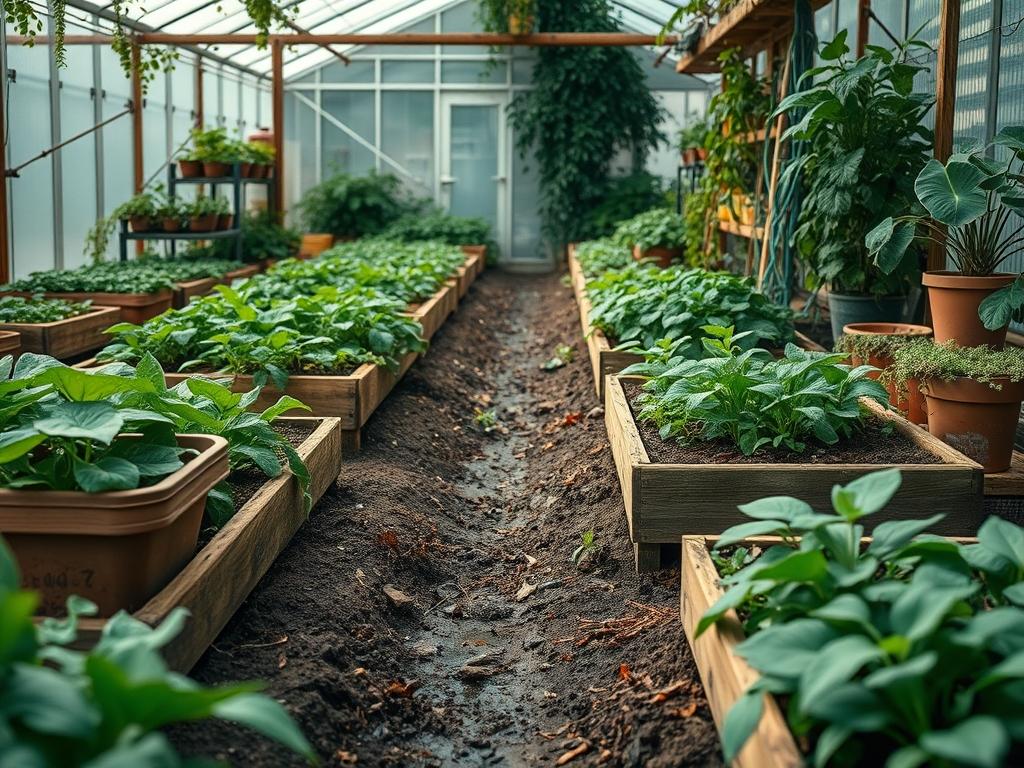
Coastal landscaping presents a unique set of challenges that require a sophisticated understanding of salt tolerance, wind resistance, and soil composition. When designing for the seaside, the goal is to create a transition between the wildness of the ocean and the structured elegance of home architecture. One of the most effective, though often overlooked, tools in a landscape architect’s repertoire for these environments is using kelp as fertilizer. Because coastal soils are frequently composed of sand or crushed shell, they lack the organic matter and cation exchange capacity necessary to support lush, high-performance greenery. Incorporating kelp into the management plan provides essential micronutrients and growth hormones that help plants survive the physiological stress of salt spray and high-intensity sunlight. This approach addresses the functional need for soil stabilization while enhancing the curb appeal of the property through more vibrant foliage and robust blooms.
The primary landscaping challenge in these zones involves managing rapid drainage and preventing nutrient leaching. Traditional synthetic fertilizers often wash away before the root zone can absorb them; they can also contribute to unwanted algae blooms in nearby water bodies. Choosing organic oceanic amendments aligns the garden with its natural surroundings. Professional landscape design focuses on creating an outdoor environment that feels both curated and resilient. By prioritizing soil health through biological stimulants, we ensure that the focal points of the design, such as specimen trees or ornamental grasses, maintain their structural integrity even during the harsh winter months. A well-planned coastal landscape must balance aesthetic symmetry with the rugged realities of the shoreline, utilizing every available resource to foster a self-sustaining ecosystem.
Landscape Design Principles
Successful coastal design relies on the principles of symmetry and focal points to ground the viewer’s eye amidst a vast horizon. We often use elevation layers to create a sense of depth and privacy. By utilizing Retaining Walls and terraced garden beds, we can manage the flow of water and create distinct microclimates within a single lot. Symmetry is achieved by mirroring plantings along Walkways or entryways, but near the coast, this symmetry must be tempered by the prevailing wind direction. If one side of a path is more exposed to salt-laden gusts, we might choose a slightly more resilient cultivar for that side to maintain visual balance over time.
Irrigation planning is another pillar of high-end landscape architecture. Even when using kelp as fertilizer to bolster plant health, a precise watering schedule is required to wash salt deposits off leaves and ensure nutrients reach the roots. Visual balance is further enhanced by contrasting the soft textures of ornamental grasses with the hard surfaces of Natural Stone Pavers or Weathered Timber. We look for opportunities to create “rooms” within the garden, using tall shrubs as living walls. In these spaces, kelp serves as a bio-stimulant that increases the thickness of cell walls in plants, making them more resistant to the physical battery of coastal storms. By focusing on these hidden biological factors, the visible design remains crisp and intentional for years rather than just a single season.
Plant and Material Selection
| Plant Type | Sun Exposure | Soil Needs | Water Demand | Growth Speed | Maintenance Level |
| :— | :— | :— | :— | :— | :— |
| Rugosa Rose | Full Sun | Sandy/Loam | Moderate | Fast | Low |
| Muhly Grass | Full Sun | Well-Drained | Low | Moderate | Very Low |
| Sea Lavender | Full Sun | Saline/Sandy | Low | Slow | Low |
| Beach Plum | Full Sun | Sandy | Low | Moderate | Medium |
| Hydrangea | Partial Shade | Rich/Moist | High | Fast | High |
| Bayberry | Full/Partial | Poor/Sandy | Low | Moderate | Low |
The selection above highlights species that respond exceptionally well to the trace minerals found in seaweed. For instance, Rugosa Rose and Hydrangea benefit from the potassium and magnesium in kelp, which promotes deeper flower pigmentation and sturdier stems. When selecting materials for the hardscape, professional architects prioritize longevity. Stainless Steel Edging and Basalt Plinths are preferred over materials that might corrode or degrade in a salty environment.
Implementation Strategy
The implementation of a coastal landscape begins with professional Grading. Ground levels must be shaped to direct runoff away from the home’s foundation while capturing moisture in bioswales or rain gardens where it can be filtered. Once the sub-grade is established, the focus shifts to soil preparation. Using kelp as fertilizer is most effective when it is integrated into the site during the planting phase. We recommend a three-pronged approach: applying Kelp Meal into the planting holes, using Liquid Kelp as a root dip, and finishing with a top-dress of composted seaweed.
Start by marking out the location of all Hardscaping elements, including patios and retaining walls. Once these are installed, the planting beds should be excavated to a depth of at least 12 inches. Mix the native sandy soil with high-quality organic matter and Kelp Meal at a rate of 1 pound per 100 square feet. This provides a slow-release source of minerals that won’t leach away during the first heavy rain. After the plants are positioned according to the design’s focal points, a 3-inch layer of cedar mulch or shredded bark should be applied to retain moisture. For specimen trees, we suggest installing a Deep Root Irrigation System that allows liquid nutrients to reach the lower rhizosphere directly. This strategy ensures that the architectural vision is supported by a foundation of superior plant health.
Common Landscaping Failures
One of the most frequent errors in seaside gardening is poor drainage planning. If water is allowed to pool near the roots of coastal species, it can lead to root rot; conversely, if the soil is too porous, the plants suffer from chronic dehydration. Soil compaction is another silent killer. During the construction phase, heavy machinery can crush the soil structure, preventing oxygen from reaching the roots. To combat this, we often specify AERATION as a mandatory step before any planting begins.
Overcrowding is a common aesthetic mistake. Homeowners often want an “instant garden” and plant shrubs too close together. Within three years, the plants begin to compete for limited nutrients and airflow, leading to fungal outbreaks. Improper spacing also makes it difficult to apply fertilizers or mulch effectively. Furthermore, many designers fail to account for the salt content in raw, unrinsed seaweed. Using kelp as fertilizer requires using products that have been properly processed; simply piling fresh beach wrack against a plant stem can burn the bark due to high sodium levels. Always ensure that any kelp used in the landscape has been thoroughly washed or fermented to remove excess salt.
Seasonal Maintenance
Seasonal management is the key to preserving a professional landscape. In the Spring, the focus is on jump-starting growth. We recommend a foliar application of Liquid Seaweed every two weeks as the first buds appear. This provides the cytokinins necessary for rapid cell division. As we move into Summer, the priority shifts to stress management. During heatwaves, kelp helps plants regulate their stomata, reducing water loss through transpiration. This is the time to check Irrigation Emitters for salt buildup and ensure they are delivering the correct volume of water.
In the Autumn, the goal is root development rather than top-growth. We stop applying high-nitrogen fertilizers and switch to a pure Kelp Meal or potassium-rich amendment. This hardens off the plants, preparing them for the cold. Finally, in Winter, maintenance involves protecting the soil. Application of a heavy mulch layer prevents the freeze-thaw cycle from heaving new plants out of the ground. It is also an excellent time to plan for the next year, testing the soil pH and adjusting the nutrient program based on the performance of the previous growing season.
Professional Landscaping FAQ
How often should I apply liquid kelp to a coastal garden?
During the active growing season, apply a diluted solution every two to four weeks. Foliar feeding is particularly effective in coastal zones. It allows plants to absorb nutrients directly through their leaves, bypassing nutrient-deficient or sandy soils.
Is kelp meal better than liquid seaweed for large projects?
Both serve different purposes in a professional landscape. Kelp Meal is a slow-release amendment ideal for initial soil preparation and autumn root building. Liquid Seaweed provides immediate bio-stimulants and is best used for maintenance and stress recovery during summer.
Will using kelp as fertilizer attract pests to my backyard?
High-quality, processed kelp products do not attract pests. Unlike some animal-based fertilizers, kelp meal has a mild, earthy scent that dissipates quickly. It actually helps deter certain pests by strengthening the plant’s natural defense mechanisms and improving overall health.
Can I use raw seaweed found on the beach?
It is not recommended unless you rinse it thoroughly. Raw seaweed contains high levels of salt that can damage sensitive garden plants. Ideally, use commercially prepared products that are salt-tested and standardized for consistent nutrient delivery and safety.
Does kelp help with soil erosion on coastal slopes?
Kelp promotes extensive root branching and deeper soil penetration. While it is not a physical barrier, the resulting robust root systems of your plants help bind the soil together. This significantly increases the stability of slopes and embankments against wind and rain.