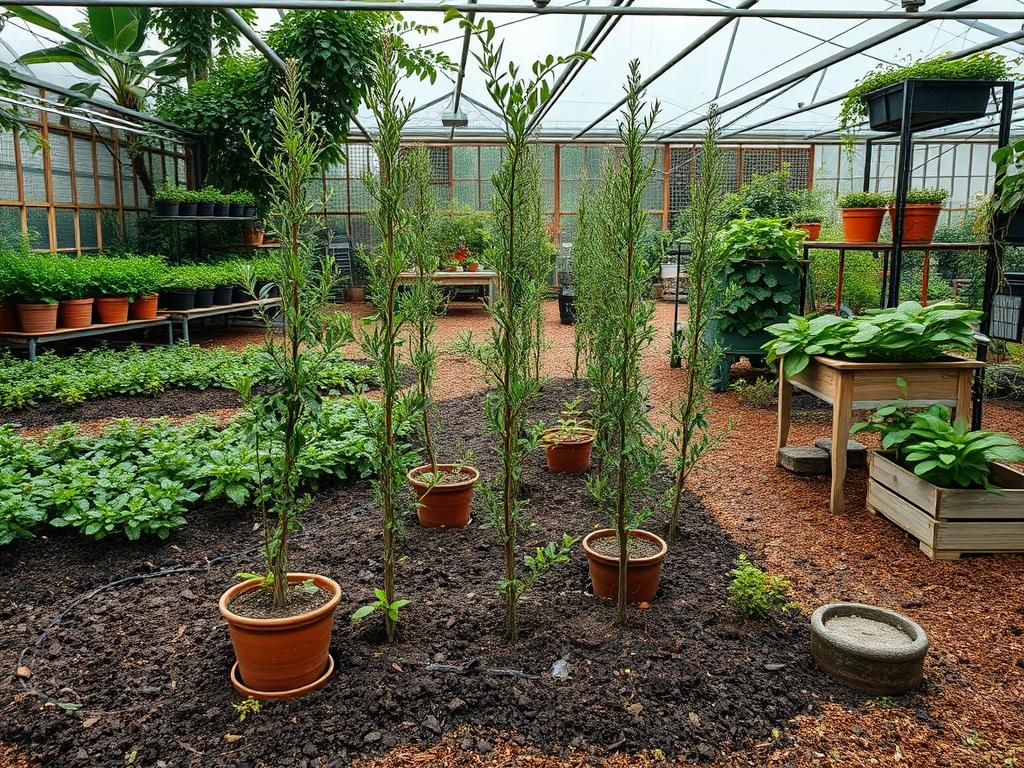
Establishing a functional canopy within a residential or commercial landscape requires more than simply digging a hole and placing a plant in the ground. It is an exercise in long-term environmental engineering. When homeowners and developers prioritize Native Tree Saplings, they are investing in the biological infrastructure of the property. These young trees serve as the primary mechanism for natural climate control, reducing ambient temperatures through evapotranspiration and providing a structural framework that defines outdoor living spaces. Selecting the right species involves a deep understanding of the local microclimate, soil composition, and the eventual height and spread of the mature specimen. A well-placed tree can increase property value by up to twenty percent while simultaneously lowering cooling costs during peak summer months.
The challenge in modern landscaping often lies in the desire for immediate results versus the biological reality of growth rates. Many designers opt for fast-growing non-native species that ultimately become liabilities due to weak wood or invasive root systems. By contrast, native saplings are genetically predisposed to thrive in local weather patterns, including periods of drought or heavy seasonal rainfall. They support local pollinators and provide essential habitats, creating a holistic ecosystem rather than a static display. To achieve success, a landscape architect must look twenty or thirty years into the future, visualizing the shade patterns as the sun moves across the property during the summer solstice.
Landscape Design Principles
Successful shade planning relies on the fundamental principles of proportion, focal points, and elevation layering. In a professional landscape, Native Tree Saplings are rarely planted in isolation; they are integrated into a broader composition. Symmetry can be used to frame an entryway or a long driveway, creating a formal alley of Oak or Maple. Conversely, asymmetrical groupings feel more organic and are often used in backyard “retreat” designs to mimic a natural woodland edge.
Elevation layering is a critical concept where the canopy tree acts as the ceiling of an outdoor room. Beneath this ceiling, understory trees, shrubs, and groundcovers create the walls and floor. When planning the layout, consider the “Rule of Thirds” to avoid placing a massive specimen directly in the center of a small lawn, which can make the space feel cramped. Instead, use these trees to anchor the corners of the property or to provide a backdrop for a deck or patio.
Irrigation planning must be integrated into the design phase. Young saplings require consistent moisture for the first three years to establish a resilient root system. Incorporating Drip Irrigation lines during the initial grading phase ensures that water reaches the root zone without the evaporation losses associated with overhead sprayers. Furthermore, the design should include clear walkways that direct foot traffic away from the drip line of the tree to prevent soil compaction, which is a leading cause of premature decline in urban environments.
Plant and Material Selection
Selecting the appropriate species requires evaluating the specific site conditions against the biological needs of the tree. The following table highlights common native selections for temperate North American regions.
| Plant Type | Sun Exposure | Soil Needs | Water Demand | Growth Speed | Maintenance Level |
| :— | :— | :— | :— | :— | :— |
| White Oak | Full Sun | Well-drained | Moderate | Slow | Low |
| Sugar Maple | Full to Part Sun | Rich, Moist | High | Medium | Moderate |
| River Birch | Full Sun | Wet/Acidic | Very High | Fast | Moderate |
| American Beech | Part Shade | Well-drained | Moderate | Slow | Low |
| Tulip Poplar | Full Sun | Deep, Fertile | Moderate | Very Fast | High |
In addition to the trees themselves, material selection for the surrounding area is vital. Use Hardwood Mulch or Pine Straw to create a protective ring around the base of the sapling. This prevents mechanical damage from lawnmowers and string trimmers. For structural support, use Lodgepole Stakes and Arborite Strapping, ensuring the tree has enough room to sway slightly in the wind, which encourages the development of a strong, tapered trunk.
Implementation Strategy
The implementation process begins with a comprehensive site analysis. Professionals use a Soil Probe to determine the profile of the earth, checking for “plow pan” or heavy clay layers that might impede root penetration. If the soil is heavily compacted, a Mechanical Auger or an Air Spade should be used to loosen the surrounding area, creating a “soft zone” for new roots to expand.
Grading is the next priority. The area around the sapling should be graded to ensure that water drains away from the trunk but settles over the root ball. A slight depression or a “saucer” made of soil can be formed around the planting hole to catch rain. When digging the hole, it should be at least two to three times the width of the root ball but no deeper than the root flare. The root flare is where the trunk begins to spread outward at the base. Burying this flare is a common fatal error that leads to trunk rot and oxygen deprivation.
Once the tree is positioned, backfill the hole with the native soil. Avoid using heavy amounts of fertilizers or soil amendments like peat moss in the hole itself; this can create a “container effect” where the roots refuse to leave the rich hole and venture into the native surrounding soil. After backfilling, apply a 3-inch layer of organic mulch, keeping it at least 4 inches away from the trunk to prevent moisture-related fungal infections.
Common Landscaping Failures
The most frequent failure in shade tree establishment is improper drainage. If a sapling sits in standing water, the roots will suffocate. This is often caused by the “bathtub effect,” where a hole is dug in heavy clay and filled with light, porous potting soil. The hole fills with water that cannot escape through the clay walls. To solve this, install a French Drain or choose a species, like the Bald Cypress, that is adapted to saturated conditions.
Root overcrowding and improper spacing are also prevalent issues. Homeowners often plant Native Tree Saplings too close to foundations, sidewalks, or utility lines. While the tree is small today, a White Oak can reach a spread of 80 feet at maturity. Consulting a utility map and maintaining a minimum distance of 15 to 20 feet from permanent structures is a standard professional requirement. Furthermore, many enthusiasts over-irrigate their trees. Saturated soil lacks the oxygen necessary for cellular respiration. A deep watering twice a week is far superior to a light daily sprinkle, as it encourages roots to grow deep into the water table rather than staying near the surface where they are vulnerable to heat.
Seasonal Maintenance
Maintenance requirements shift as the seasons change. In Spring, the focus is on structural pruning. While the tree is still dormant, remove any crossing branches or narrow “V” shaped crotches that may become structural weaknesses as the tree grows. This is also the time to check for pest activity, such as scale or aphids, which can stunt new spring growth.
During the Summer, moisture management is the priority. During heat waves, a sapling may require 15 to 20 gallons of water per week. Monitoring for “leaf scorch” or wilting will indicate if the irrigation schedule needs adjustment. In Autumn, a fresh application of mulch helps insulate the roots against the coming frost. It is important to stop fertilizing by mid-summer to prevent the tree from producing tender new growth late in the season, which would be killed by the first freeze.
Winter maintenance involves protecting the sapling from mechanical damage and wildlife. In areas with high deer populations, a Wire Cage or Plastic Tree Guard is essential to prevent “buck rub” and trunk chewing. Heavy snow should be gently brushed off branches to prevent snapping, but ice should be left to melt naturally to avoid breaking the brittle dormant wood.
Professional Landscaping FAQ
When is the best time to plant native saplings?
The ideal windows are early spring before bud break or late autumn after leaf drop. These cool periods allow for root establishment without the stress of extreme summer heat or frozen winter ground, ensuring a higher survival rate for the young trees.
How deep should the mulch layer be?
Achieve a depth of 2 to 3 inches using organic materials like shredded bark. Never pile mulch against the trunk in a “volcano” shape. Keep a clear gap around the base to allow for gas exchange and prevent bark decay.
Do all native saplings require staking?
Not necessarily. Only stake trees in high-wind areas or if the root ball is unstable. If you must stake, use flexible ties and remove them after one growing season to ensure the tree develops its own structural integrity through natural movement.
How much water does a new sapling need?
As a general rule, provide 10 gallons of water per inch of trunk diameter every week. In sandy soils or during extreme drought, you may need to increase this frequency. Consistency is more important than volume once the tree is established.
Can I plant a shade tree near my septic line?
This is highly discouraged. Tree roots are naturally drawn to the moisture and nutrients in septic pipes. Maintain a minimum distance of 30 feet from the entire drainage field to prevent expensive root infiltration and system failure.