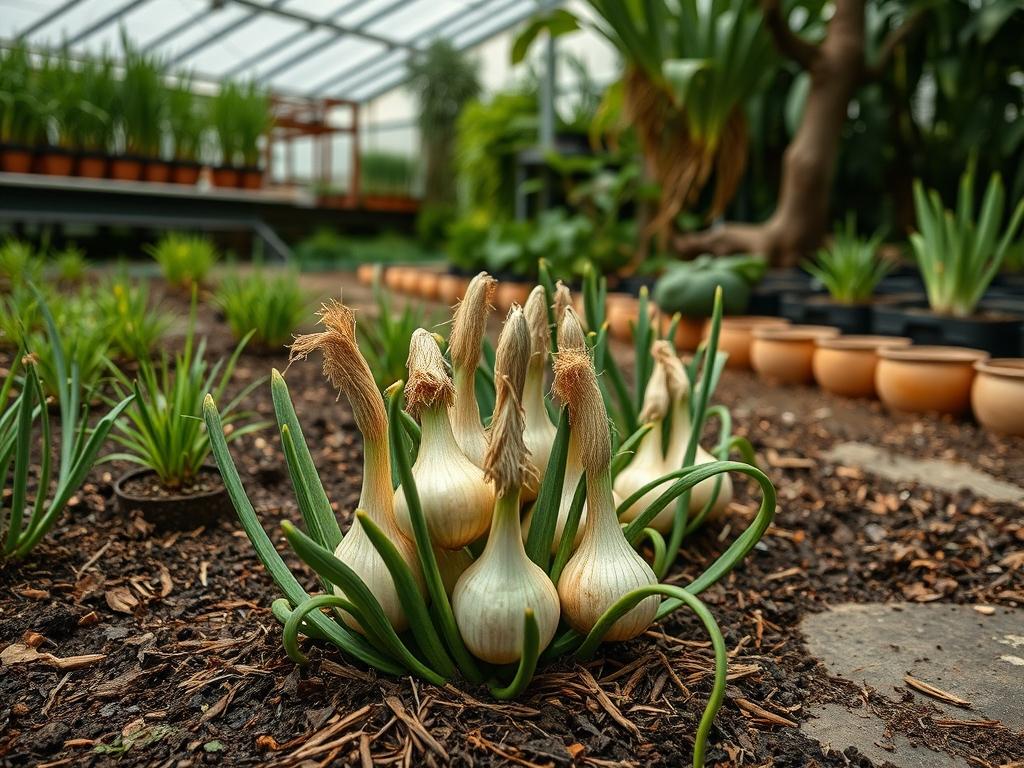
Integrating biennial crops like onions into a professional landscape requires a tactical shift from short term visual gratification to long term resource management. Most designers view the vegetable garden as a separate, utilitarian entity, yet the structural elegance of Saving Onion Seed Heads offers a unique opportunity to marry aesthetics with agricultural sustainability. From a landscape architecture perspective, the onion lifecycle presents a distinct geometric progression. The early stages provide vertical, linear texture, while the second year flowering phase introduces spherical focal points that rival ornamental Alliums. Achieving success in seed saving involves more than just leaving a few bulbs in the ground; it requires a deep understanding of site specific drainage, soil chemistry, and the spatial hierarchy of the planting bed.
When we approach a landscape with the intent of harvesting seeds, we must consider the environmental stressors that can degrade seed quality. Wind exposure, excessive humidity, and soil pathogens all play a role in the health of the umbel, which is the flowering head of the onion. In high end residential designs, these seed producing plants should be situated in the mid border region. This placement allows the surrounding low profile perennials to mask the yellowing foliage that inevitably occurs as the plant redirects its energy from the bulb to the seed head. By treating the onion as a structural element, we ensure that the transition from a culinary crop to a seed source does not diminish the overall curb appeal of the property.
Landscape Design Principles
Symmetry and visual balance are the cornerstones of a well planned garden, particularly when incorporating tall, slender stalks like those found on maturing onions. In a professional layout, these stalks act as repeating vertical elements that can guide the eye toward a central terminus or focal point. To prevent a cluttered appearance, we group onions in clusters of three or five within a multi layered elevation scheme. The foreground should consist of dense, low water use groundcovers, while the background features taller shrubs or modular privacy screens. This layering creates a framed effect, highlighting the architectural globes of the seed heads against a stable backdrop.
Irrigation planning is perhaps the most critical design principle when the goal is Saving Onion Seed Heads. Unlike many landscape plants that require consistent moisture throughout the season, onions intended for seed must experience a dry down period as the seeds approach maturity. We typically design these zones with independent irrigation valves or sub zones. This allow us to taper off water delivery to the onions while maintaining the surrounding ornamental plants. Proper drainage is equally vital; we utilize a 2 percent minimum grade across the planting area to prevent water from pooling around the base of the bulbs, which can lead to fungal infections and poor seed viability.
Walkway integration also plays a role in the functionality of the seed garden. Since harvesting and curing require frequent monitoring, the path system must provide easy access without causing soil compaction near the root zones. We recommend narrow, permeable paths made of crushed stone or recycled timber mulch to allow the gardener to inspect the progress of the umbels. These paths should be integrated into the overall flow of the outdoor living space, ensuring the transition between the formal patio and the productive garden is seamless and intentional.
Plant and Material Selection
The choice of variety dictates both the visual outcome and the success of your seed harvest. Below is a specification table for common varieties suitable for integrated landscape use.
| Plant Type | Sun Exposure | Soil Needs | Water Demand | Growth Speed | Maintenance Level |
| :— | :— | :— | :— | :— | :— |
| Red Burgundy | Full Sun | Well Drained Loam | Moderate to Low | Medium | High |
| Walla Walla | Full Sun | High Organic Matter | Moderate | Fast | Medium |
| Yellow Globe | Full Sun / Part Shade | Sandy Loam | Low | Slow | Low |
| Egyptian Walking | Full Sun / Part Shade | Any, Well Drained | Low | Fast | Very Low |
| White Lisbon | Full Sun | Rich Alluvial | Moderate | Very Fast | Medium |
Implementation Strategy
The process begins with precise site grading. We ensure the planting surface is elevated at least 4 inches above the surrounding lawn to promote drainage. Once the grade is established, we install a high quality steel or aluminum edging to define the boundaries of the bed. This prevents invasive turf grasses from encroaching on the onion roots. A layer of 3 inches of aged hardwood mulch is applied to regulate soil temperature, though we take care to keep the mulch away from the neck of the onion bulb to prevent rot.
As the second year growth commences, the primary focus shifts to support. The heavy, seed filled umbels can become top heavy, especially during late summer storms. We implement a discreet staking system using 1/4 inch bamboo or coated steel rods. These supports are positioned on the leeward side of the plant to minimize visual impact while providing maximum structural integrity. When the seed pods, also known as capsules, begin to turn brown and display small black seeds, the harvest commences. We cut the stalks at a length of roughly 6 to 10 inches to provide a handle for the curing process.
For curing, the architectural consultant recommends a dedicated, ventilated space such as a garden shed or a covered porch. Material choice for the curing racks involves fine mesh or breathable landscape fabric stretched over a wooden frame. This setup allows for maximum airflow around the seed heads, which is essential to prevent mold. The seeds remain in this controlled environment for 2 to 4 weeks until they easily shatter from the dried umbels.
Common Landscaping Failures
The most frequent mistake in onion seed production is a failure to manage soil compaction. In high traffic landscapes, the weight of maintenance equipment or frequent foot traffic can collapse the soil macropores. This restricts oxygen flow to the roots, resulting in stunted seed heads and a significant decrease in seed germination rates. We mitigate this by using designated stepping stones or permanent garden grates that distribute weight evenly.
Irrigation inefficiency is another common pitfall. Overhead watering during the flowering stage can knock pollen off the flowers, resulting in poor fertilization and empty seed pods. Furthermore, water trapped within the dense structure of the umbel promotes botrytis and other fungal pathogens. A drip irrigation system, specifically a pressure compensating line buried beneath the mulch, is the professional standard for avoiding these issues. This ensures that moisture is delivered directly to the root zone without impacting the vulnerable reproductive structures of the plant.
Seasonal Maintenance
Seasonal management follows a rigorous schedule to ensure the longevity of the landscape and the quality of the harvested seeds. In the Spring, we focus on nitrogen management. A light application of 10-10-10 balanced fertilizer supports the initial growth burst of the flower stalks. We also inspect the irrigation emitters to ensure no blockages occurred during the winter months.
During the Summer, the priority shifts to monitoring for pests like onion thrips. We utilize integrated pest management techniques, such as introducing predatory mites or applying organic neem oil, to keep populations under control without damaging the pollinating insects. As the seed heads mature, we gradually reduce water delivery.
In Autumn, after the seeds are safely harvested and curing, we turn our attention to soil remediation. The process of growing onions to seed is nutrient intensive. We incorporate 2 inches of finished compost into the bed and plant a cover crop like crimson clover to fix nitrogen and prevent erosion during the rainy season.
Winter maintenance involves cleaning and storing the harvested seeds in a cool, dry environment. We also perform a structural audit of the garden. This includes checking retaining walls for movement and ensuring that any woody perennials in the area are pruned to prevent them from shading the onion beds in the coming spring.
Professional Landscaping FAQ
When is the optimal time to harvest onion seeds?
Harvest when approximately 50 percent of the seed capsules have opened to reveal black seeds. The heads should appear dry and brittle. If you wait too long, the seeds will shatter and drop into the garden soil, leading to unwanted volunteers.
Can I save seeds from hybrid onion varieties?
It is not recommended. Seeds from hybrid onions will not grow true to type, meaning the resulting plants may have inferior flavor, size, or disease resistance. Always use open pollinated or heirloom varieties for a predictable and high quality landscape result.
How do I prevent cross pollination between different onion types?
To maintain genetic purity, provide a physical distance of at least 1,000 feet between flowering varieties. In smaller residential landscapes, use fine mesh exclusion bags over the umbels or stagger the blooming times to ensure that only the desired pollen is transferred.
What is the best way to store seeds after curing?
Place the fully dried seeds in an airtight glass jar or a specialized seed envelope. Store them in a dark, climate controlled area with a temperature between 35 and 45 degrees Fahrenheit. Adding a silica gel packet helps absorb residual moisture.
Does leaving onions to seed affect the bulb quality?
Yes, once an onion begins the bolting and seeding process, the bulb becomes woody and loses its culinary appeal. The plant redirects all available sugars and nutrients to reproductive success. In a landscape, treat these as two separate goals: harvest or seeds.