Maintaining the structural integrity of a high-end landscape requires more than just aesthetic vision; it demands a sophisticated understanding of ecological health. Thrips, those minute and often invisible insects, represent a significant threat to the curb appeal of premium garden beds. When they strike, they discolor petals and distort foliage, turning a pristine focal point into a site of visible decay. Effective management involves weaving Natural Thrip Deterrents into the very fabric of the landscape design. By prioritizing a biophilic approach, architects can create resilient outdoor environments that prioritize plant health without relying exclusively on harsh chemical interventions. This strategy preserves the functionality of the space while ensuring that the visual balance remains uncompromised by pest infestations. A proactive landscape plan considers the microclimate of the site, ensuring that airflow and moisture levels are optimized to discourage pest colonization before it begins.
Landscape Design Principles
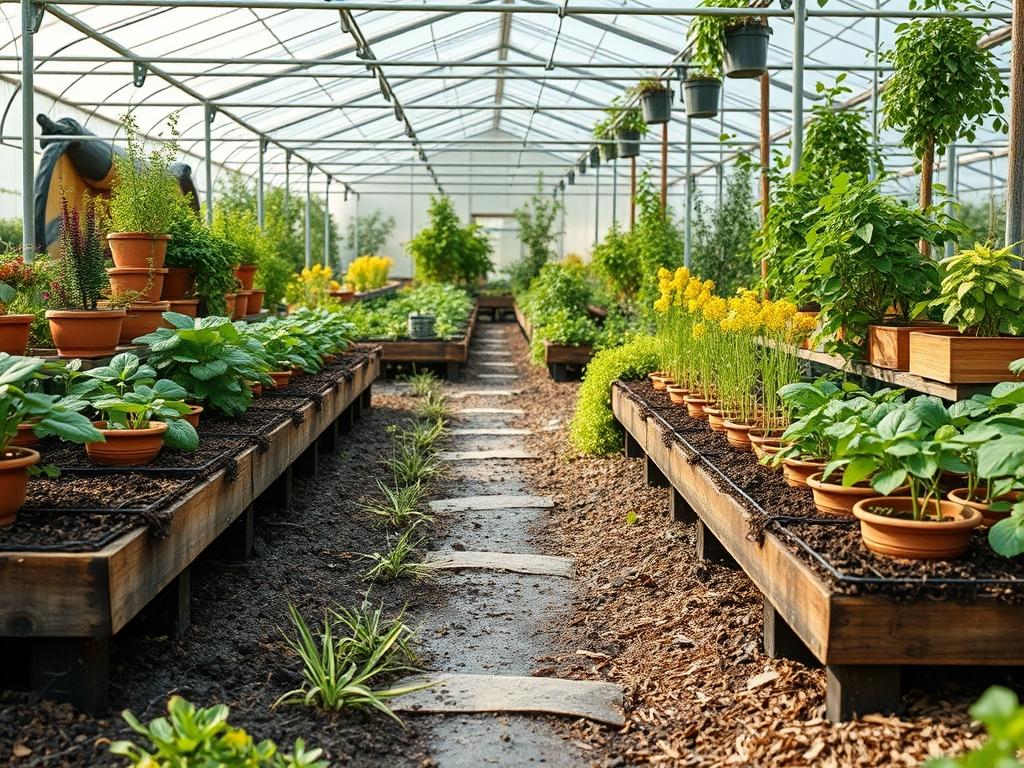
A successful landscape rests on the balance between symmetry and organic movement. When designing with Natural Thrip Deterrents in mind, visual balance must be paired with functional spacing. Overcrowding plants is a primary catalyst for thrip outbreaks, as it creates pockets of stagnant air and high humidity. Architects should utilize elevation layers to facilitate airflow. By placing taller, sturdier species like Lavender or Rosemary in the background and lower, pest-repelling groundcovers in the foreground, you create a tiered defense system.
Focal points should be supported by companion planting strategies that distract or repel pests. For instance, a specimen tree or a large stone sculpture can be surrounded by a border of Marigolds to provide a chemical barrier that protects more sensitive floral displays. Walkways and hardscaping also play a role; using Crushed Granite or River Rock around the base of flower beds can reduce the amount of organic litter where thrips often pupate. Irrigation planning is equally critical. Overhead watering should be avoided in favor of Drip Irrigation systems that deliver water directly to the soil, keeping the foliage dry and less hospitable to insects that thrive in damp, leafy environments.
Plant and Material Selection
Selecting the right materials and botanical specimens is the foundation of any pest-resilient landscape. The following table outlines specific plants that serve as excellent deterrents or sacrificial companions within a professional garden layout.
| Plant Type | Sun Exposure | Soil Needs | Water Demand | Growth Speed | Maintenance |
| :— | :— | :— | :— | :— | :— |
| French Marigold | Full Sun | Well-drained | Moderate | Fast | Low |
| Sweet Basil | Full Sun | Rich / Loamy | High | Fast | Moderate |
| Garlic | Full Sun | Loose / Sandy | Low | Medium | Low |
| Catnip | Sun to Part Shade | Any | Low | Fast | Moderate |
| Chrysanthemum | Full Sun | Well-drained | Moderate | Medium | High |
| Coriander | Part Shade | Light / Loamy | Moderate | Fast | Low |
Beyond plant selection, the choice of mulch and soil amendments impacts thrip populations. Cedar Mulch is highly recommended for its natural insect-repelling properties. Avoid using heavy, non-decomposed organic matter that might harbor larvae. For soil, incorporating Diatomaceous Earth into the top 2 inches of the substrate can provide a mechanical barrier that damages the exoskeletons of crawling pests without harming the overall chemistry of the earth.
Implementation Strategy
Implementing a landscape geared toward natural pest management starts with precise site preparation. Begin by assessing the Grading of the area. A slope of at least 2 percent away from the home or central garden structures ensures that water does not pool, as excess moisture attracts various pests, including thrips. Once the grade is established, define the garden borders using Steel Edging or Stone Pavers to prevent the encroachment of invasive grasses that can act as bridges for insects.
When laying out the plants, use a staggered grid pattern rather than tight rows. This increases the surface area for air to circulate around each individual stem. During the planting phase, ensure that each hole is dug to twice the width of the root ball to prevent soil compaction, which stresses the plant and makes it more susceptible to infestation. Apply a 3 inch layer of mulch, keeping it at least 2 inches away from the base of the stems to prevent rot. If including hardscaping like Retaining Walls, ensure they are built with adequate weep holes for drainage. Integrating Yellow Sticky Traps discreetly behind larger foliage can serve as a monitoring tool to catch the first signs of thrip activity before a full-scale intervention is needed.
Common Landscaping Failures
One of the most frequent errors in garden design is improper spacing, leading to root overcrowding. When roots compete too aggressively for nutrients, the plant’s natural defense mechanisms weaken, leaving it vulnerable to thrips. Another common failure is irrigation inefficiency. Landscapes that rely on automated spray heads often leave the canopy of the plants damp overnight; this is a primary invitation for fungal growth and pest cycles. Transitioning to a Soaker Hose or a targeted emitter system is a much more professional approach.
Soil compaction is another silent killer of curb appeal. In high-traffic outdoor living areas, the soil becomes packed down, preventing oxygen from reaching the root zone. This stress causes plants to release chemicals that actually attract thrips. Furthermore, many homeowners make the mistake of over-fertilizing with high-nitrogen products. While this produces rapid green growth, that growth is often soft and thin-walled, making it an easy target for piercing-sucking insects. Using slow-release Organic Compost is a far superior method for building long-term plant resilience.
Seasonal Maintenance
Landscape management is a year-round commitment that changes with the sun’s path. In the spring, the focus should be on sanitation. Remove any leaf litter or dead perennials that survived the winter, as these are prime overwintering sites for thrips. Apply a fresh layer of Bark Mulch and begin monitoring new shoots for silvery stippling, a classic sign of thrip feeding.
During the summer heat, the priority shifts to hydration and stress management. Ensure that your Irrigation Controller is adjusted for rising temperatures, but continue to avoid wetting the leaves. Pruning is essential during this time; use sharp Pruning Shears to remove any infested flower heads immediately, disposing of them in a sealed bag rather than the compost pile. In the autumn, cut back spent perennials and turn the soil slightly to expose any pupating insects to the elements and natural predators. Finally, in the winter, focus on the health of your woody ornamentals. Apply Dormant Oil sprays to the bark of trees and shrubs to smother any surviving eggs, ensuring a clean start for the following growing season.
Professional Landscaping FAQ
What are the primary signs of a thrip infestation?
Thrips typically cause a distinct silvery or metallic sheen on leaves; you might also notice black specks of waste. Flowers may appear streaked, bleached, or fail to open entirely, significantly diminishing the aesthetic quality of your professional garden beds.
How does mulch type affect pest populations?
Cedar Mulch and Cypress Mulch contain natural oils that act as deterrents. Conversely, fine-textured or overly damp mulches can harbor larvae. Maintaining a consistent 3 inch depth helps regulate soil temperature and moisture, which strengthens the plants against insect attacks.
Can beneficial insects be integrated into the design?
Yes, a professional landscape should encourage predators. Planting Dill or Fennel attracts Green Lacewings and Ladybugs, which are natural enemies of thrips. This creates a self-sustaining ecosystem that reduces the need for manual pest control interventions.
Does irrigation timing impact thrip activity?
Watering in the early morning is ideal. It allows any accidental moisture on the foliage to evaporate quickly. Evening watering keeps the garden damp for too long, creating a high-humidity microclimate that thrips and fungal pathogens find highly attractive.
What is the best way to treat a localized outbreak?
If a specific plant is targeted, use a forceful stream of water from a Garden Hose to physically dislodge the insects. Follow this with an application of Neem Oil or Insecticidal Soap, ensuring you coat the undersides of the leaves thoroughly.