
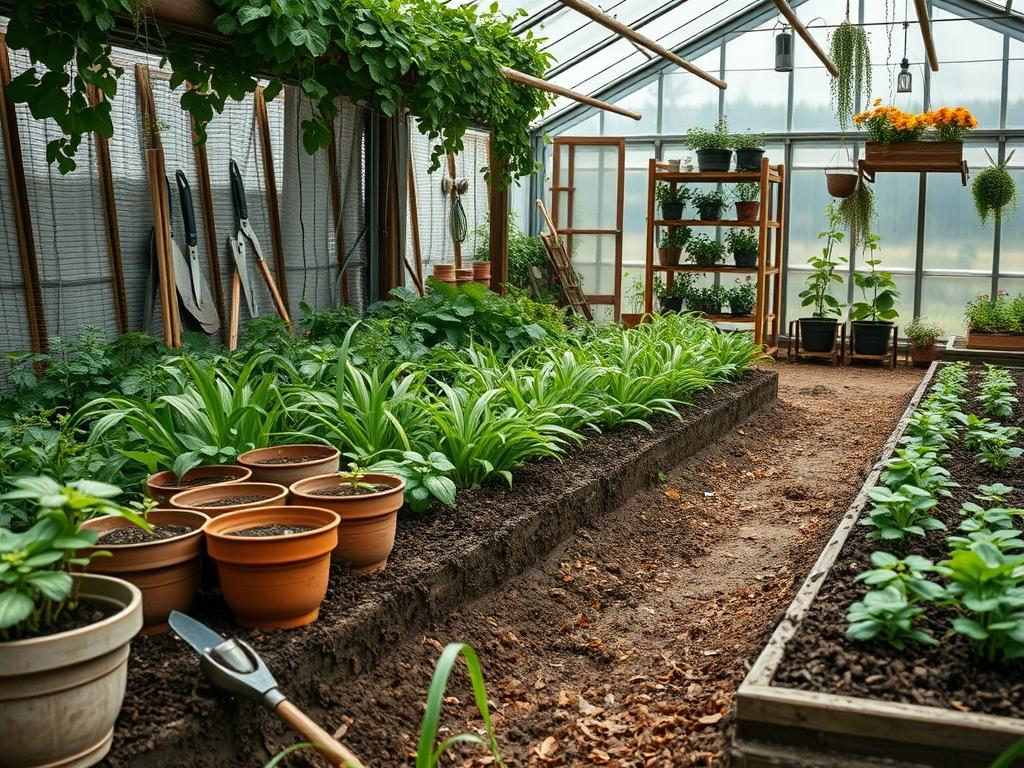
Achieving a high-end landscape requires more than a keen eye for aesthetics; it demands a deep understanding of the biological foundations that sustain long-term growth. Professional landscape architects focus on the soil as the primary infrastructure of any outdoor environment. When we design for curb appeal and functionality, we often encounter the challenge of nutrient depletion in suburban or urban soils. Traditional fertilizers can be harsh, often leading to salt buildup or chemical leaching that undermines the health of the local ecosystem. Using rabbit manure serves as a sophisticated solution to this architectural problem. It is categorized as a “cold” fertilizer, meaning its nutrient profiles are delivered in a format that is immediately accessible to plants without the risk of root cauterization. This allows for a more seamless transition from the initial planting phase to the established maturity of the landscape, ensuring that the visual intent of the design is realized without the setbacks of plant shock or foliage burn.
Effective landscape planning considers the intersection of human usage and environmental resilience. We look at the site’s topography, its drainage capacity, and the microclimates created by existing structures. In these high-stakes environments, the choice of soil amendment dictates the longevity of the installation. Using rabbit manure provides a biological advantage because it is rich in nitrogen, phosphorus, and potassium, yet it is unique among livestock manures for its low ammonia content. This allows a designer to specify its application directly to the base of sensitive ornamental species or incorporate it into the topsoil of a newly graded lawn without the typical two-month waiting period required for “hot” manures like those from cows or horses. By stabilizing the soil structure and introducing beneficial microbes through this organic matter, we create a self-sustaining environment that reduces the need for synthetic interventions over time.
Landscape Design Principles
Structural integrity in a landscape depends on the marriage of hardscaping and softscaping. We utilize symmetry to guide the eye toward focal points, such as a custom water feature or a specimen tree like a Ginkgo Biloba. To support these visual anchors, the soil must be prepared to handle the demands of rapid establishment. Elevation layers play a critical role here; by using retaining walls or terraced beds, we create distinct zones that require specific nutrient management. Rabbit manure is particularly useful in these tiered systems because its pelletized form resists rapid erosion better than powdered synthetic fertilizers, staying in place even on slight inclines.
Visual balance is achieved through the layering of textures and heights. We often employ a “rule of three” regarding plant heights: the foreground, the mid-ground, and the background. Each layer has different metabolic needs. For instance, the foreground may consist of delicate Heuchera or Creeping Thyme, which are susceptible to the high salt content found in chemical fertilizers. Using rabbit manure in these zones provides a gentle, slow-release nutrient stream that supports vibrant leaf color without forcing leggy, unnatural growth. Furthermore, incorporating this amendment into our irrigation planning ensures that as water moves through the site, it carries a balanced tea of organic nutrients to lower elevations, naturally fertilizing the entire system.
Plant and Material Selection
Selecting the right materials involves a rigorous analysis of the site conditions against the physiological needs of the plant palette. The following table outlines a professional selection of plants that thrive when supported by the organic matter provided by rabbit manure.
| Plant Type | Sun Exposure | Soil Needs | Water Demand | Growth Speed | Maintenance Level |
| :— | :— | :— | :— | :— | :— |
| Hydrangea Macrophylla | Partial Shade | Well-Drained, Rich | High | Moderate | Medium |
| Buxus Sempervirens | Full Sun/Part | Loamy, Neutral | Moderate | Slow | High (Pruning) |
| Echinacea Purpurea | Full Sun | Poor to Average | Low | Fast | Low |
| Acer Palmatum | Dappled Shade | Slightly Acidic | Moderate | Slow | Medium |
| Calamagrostis acutiflora| Full Sun | Varied | Moderate | Fast | Low |
For the hardscaping elements, materials like Basalt Pavers, Decomposed Granite, and Weathering Steel are often prioritized for their durability and timeless aesthetic. When these are integrated into the garden, the soil around the edges of these materials can become compacted and alkaline. Using rabbit manure helps counteract this by introducing organic acids and porosity, preventing the “dead zones” that often occur at the junction between a walkway and a planting bed.
Implementation Strategy
The transition from a design blueprint to a physical reality requires a methodical implementation strategy. We begin with site grading to ensure that water moves away from the foundation of the home and toward designated drainage areas. Once the sub-grade is established, we focus on the planting pits. For a standard 5-gallon shrub, the hole should be twice as wide as the root ball but no deeper. We incorporate 4 Quarts of rabbit manure into the backfill soil for each shrub. This organic volume improves the cation exchange capacity of the soil, allowing the roots to absorb minerals more efficiently during the critical first six weeks of establishment.
Edging is then installed to define the boundaries between turf and mulch beds. We prefer 14-Gauge Steel Edging for its clean profile. Inside these beds, a 3-Inch layer of Hardwood Bark Mulch is applied. However, before the mulch is laid, a thin dressing of rabbit manure can be scattered over the soil surface. Unlike other manures, it will not produce an unpleasant odor, making it suitable for high-traffic areas or outdoor dining spaces. If we are installing a lawn via sod or seed, we broadcast the manure pellets at a rate of 25 Pounds per 1,000 Square Feet to provide an immediate nitrogen boost that stimulates lateral root spread and top-growth density.
Common Landscaping Failures
One of the most frequent errors in professional landscaping is the mismanagement of drainage, which leads to anaerobic soil conditions. When roots are deprived of oxygen, they fail to take up nutrients, regardless of how much fertilizer is applied. Another common failure is root overcrowding, often caused by planting specimens too close to structures or to one another. Over time, these plants compete for resources, leading to stunted growth. Soil compaction is equally detrimental, particularly in new construction where heavy machinery has compressed the earth.
Using rabbit manure helps mitigate compaction issues because the manure attracts earthworms and beneficial fungi that naturally aerate the soil profile. We also see frequent irrigation inefficiencies where water is applied too frequently but too shallowly. This encourages surface-level rooting, making plants vulnerable to drought. By incorporating heavy organic matter like rabbit manure deeper into the planting hole, we encourage roots to dive deeper into the soil to seek out the moisture-retaining organic pockets. Finally, many contractors over-apply “hot” fertilizers in an attempt to show immediate results to the client. This often results in a massive flush of growth that the root system cannot sustain, leading to plant collapse during the heat of summer.
Seasonal Maintenance
Landscape management is a year-round commitment that shifts with the physiological cycles of the garden. In the spring, the focus is on “awakening” the site. This is the optimal time for a broad application of rabbit manure across all planting beds to fuel the spring flush. We also inspect the irrigation system for any leaks or clogged emitters caused by winter freezes. As we move into summer, the priority shifts to moisture retention and stress management. High temperatures can deplete soil carbon; top-dressing with organic matter helps maintain a cooler soil temperature and supports the microbial life that protects the roots.
Autumn is the season for structural repair and preparation. This is when we perform core aeration on turf areas and overseeding. Applying rabbit manure during the fall allows the pellets to break down over the winter, providing a reservoir of phosphorus that will be available for early root growth the following spring. In winter, the landscape consultant focuses on “hard” maintenance. We prune deciduous trees like Oak or Maple while they are dormant. While the plants are not actively growing, the soil continues to process organic matter. Protecting the soil with a late-season mulch and manure application ensures that the “soil bank” is fully deposited before the ground freezes, allowing for a vibrant and healthy landscape the moment the thermals rise.
Professional Landscaping FAQ
How does rabbit manure differ from steer or chicken manure?
Rabbit manure is a “cold” fertilizer with low ammonia levels. It does not require composting before application, making it safe for direct contact with sensitive roots. This eliminates the risk of nitrogen burn common with “hot” manures like steer or chicken.
Can using rabbit manure improve clay-heavy soils?
Yes, the fibrous nature of the organic matter helps break up clay particles. This improves pore space, which increases oxygen availability and drainage. Over several seasons, it transforms heavy clay into a workable, loamy texture suitable for high-end ornamentals.
What is the best way to apply this to an established lawn?
Broadcast the pellets evenly across the turf after core aeration. The pellets will fall into the aeration holes, delivering nutrients directly to the root zone. This method promotes deep rooting and helps the lawn resist foot traffic and heat stress.
Is there a risk of introducing weed seeds into the landscape?
Unlike horses or cows, rabbits have a highly efficient digestive system that typically neutralizes the majority of weed seeds. When sourced from a clean, professional supplier, the risk of weed contamination is significantly lower than when using traditional topsoil or straw.
How often should I incorporate rabbit manure into my landscape?
For most temperate climates, a bi-annual application is ideal. Apply once in the early spring to support new growth and once in the late autumn to fortify the root systems and soil biology during the dormant winter months.