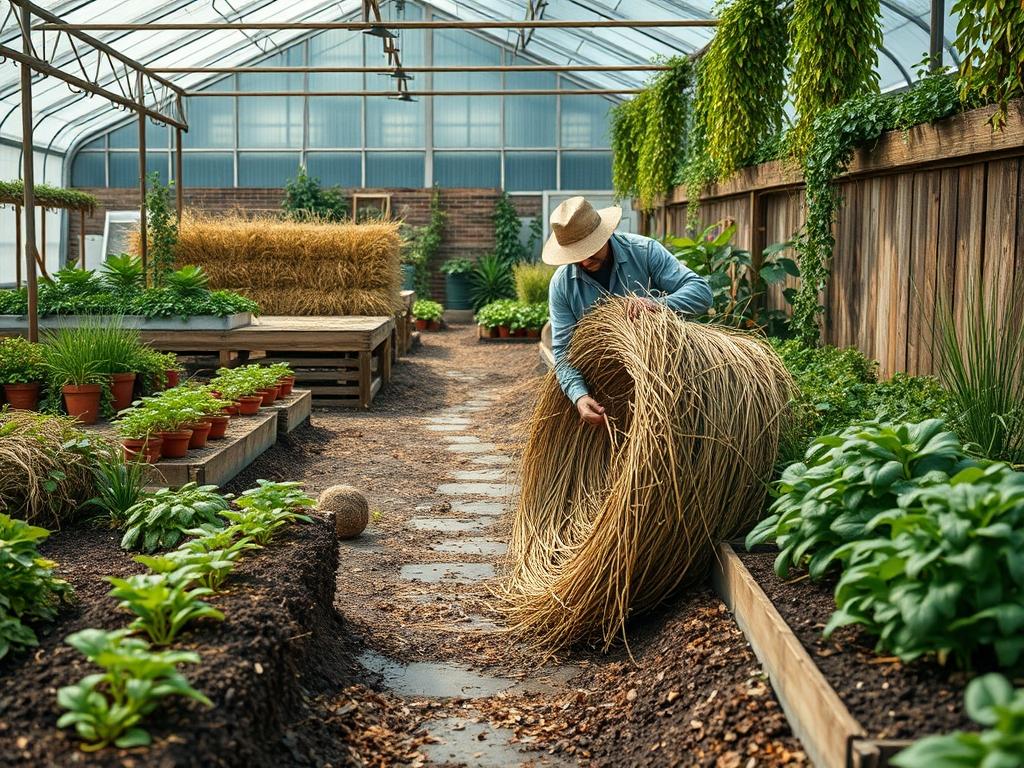
Modern landscape architecture is currently undergoing a profound transition from purely aesthetic, high-maintenance displays toward ecologically resilient and functional environments. One of the most significant shifts involves the rejection of leaf blowers and heavy machinery in favor of a technique that dates back centuries. Traditional Hay Raking, when applied to a residential or commercial lawn, serves as a sophisticated method of nutrient management and soil aeration that modern mechanical methods often disrupt. The primary challenge for any landscape professional is balancing the desire for high curb appeal with the scientific necessity of a healthy soil biome. While a pristine, manicured lawn provides immediate visual satisfaction, it often hides a landscape that is ecologically sterile. By integrating manual raking techniques, we restore the natural cycle of organic decomposition, ensuring that the grass remains vibrant without the reliance on synthetic fertilizers or excessive water consumption.
High-end outdoor environments require a thoughtful approach to site-specific variables such as slope, soil composition, and local microclimates. In regions prone to heavy rainfall, the management of the thatch layer, the layer of dead organic matter between the green vegetation and the soil surface, becomes critical. Traditional Hay Raking allows a designer to precisely control this layer, preventing the kind of anaerobic rot that occurs when matted grass clippings are left to sit. This manual intervention promotes aerobic decomposition, which feeds beneficial microorganisms and improves the overall resilience of the turf. Furthermore, the practice of hand-raking eliminates the risk of soil compaction caused by heavy commercial mowers and collectors. Compaction is the silent killer of many professional landscapes; it crushes the pore spaces in the soil, preventing oxygen and water from reaching the root systems of Kentucky Bluegrass or Fine Fescue.
Landscape Design Principles
Effective landscape design is rooted in the interplay between structure and utility. When planning a site that will utilize manual maintenance methods, the architect must consider the physical movement required for the process. Symmetry and focal points should be established to guide the eye, but the layout must also provide clear, unobstructed paths for debris collection. We often utilize retaining walls or elevation layers to create define zones, which naturally compartmentalize the property into manageable sections. These elevation changes also serve a dual purpose in drainage management. By grading the lawn with a subtle 1% to 2% slope, we ensure that excess water moves away from the foundation of the home while still allowing the turf to absorb necessary moisture.
Walkways should be designed using permeable pavers or decomposed granite to maintain a connection between the hardscape and the living environment. This prevents the “heat island” effect often seen in urban landscapes and allows the soil beneath the paths to stay hydrated. In a design focused on ecological health, focal points are often created using specimen trees or native plant clusters that provide habitat for pollinators. These areas must be clearly edged with steel edging or cobblestone borders to prevent the encroachment of lawn grasses into the ornamental beds. The visual balance is achieved when the density of the foliage in the beds complements the open, airy feel of a hand-raked lawn.
Plant and Material Selection
The following table outlines high-performance plant selections that thrive in landscapes maintained through traditional ecological methods.
| Plant Type | Sun Exposure | Soil Needs | Water Demand | Growth Speed | Maintenance Level |
| :— | :— | :— | :— | :— | :— |
| Little Bluestem | Full Sun | Well-drained | Low | Moderate | Low |
| Purple Coneflower | Full to Part Sun | Neutral Loam | Moderate | Fast | Low |
| Switchgrass | Full Sun | Sandy to Clay | Low to High | Fast | Moderate |
| Wild Bergamot | Full to Part Sun | Rich Silt | Moderate | Moderate | Moderate |
| Blue Grama | Full Sun | Sandy/Rocky | Very Low | Slow | Very Low |
| Pennsylvania Sedge | Part to Full Shade | Moist/Well-drained | Moderate | Slow | Low |
Choosing the right materials extends beyond plants to include the tools and mulches used on-site. For traditional maintenance, a sturdy wooden hay rake with wide teeth is preferred over metal tines, as it glides over the soil without tearing the delicate root crowns of the grass. We also specify the use of triple-shredded hardwood mulch for garden beds. This material breaks down slowly and provides a clean, professional aesthetic that contrasts sharply with the soft textures of a hand-raked lawn.
Implementation Strategy
Implementing a professional-grade backyard or garden layout begins with precise site grading. The land must be shaped to prevent standing water, which can lead to fungal diseases in the turf. During the initial build, we recommend a 4-inch layer of high-quality topsoil mixed with organic compost to provide a nutrient-rich foundation. Once the soil is prepared, the edging is installed to create a crisp separation between the lawn and the mulched beds.
The depth of the mulch in these beds should be maintained at a consistent 3 inches. This depth is sufficient to suppress weeds and retain moisture without suffocating the root systems of the plants. For drainage, we often install French drains or dry creek beds lined with river rock in low-lying areas. These features are not only functional but add a rugged, natural element to the design. When the layout is complete, the lawn is seeded with a native grass blend that is adapted to the local climate. These grasses generally require less nitrogen and are better suited for the manual removal of clippings through Traditional Hay Raking. The collection of these clippings can then be used as a “green” mulch elsewhere on the property, completing the cycle of nutrient returning.
Common Landscaping Failures
The most common failure in modern landscaping is the mismanagement of drainage and irrigation. Many DIY projects result in “bowl-shaped” lawns where water collects in the center, leading to root rot and soil compaction. Furthermore, homeowners often ignore the principle of proper spacing. What looks like a small sapling today can quickly become a massive tree that causes root overcrowding, lifting up nearby walkways and starving the lawn of sunlight.
Another frequent mistake is the over-application of mulch. When mulch is piled in “volcano” shapes around the base of trees, it traps moisture against the bark, inviting pests and decay. Irrigation inefficiency is also a major concern. Over-watering not only wastes resources but also leaches vital nutrients out of the soil. A professionally designed system should utilize drip irrigation for beds and smart controllers that adjust based on local weather data. Finally, the use of high-velocity leaf blowers can strip away the topsoil layer and damage the delicate rhizomes of the grass, which is why Traditional Hay Raking is superior for long-term turf health.
Seasonal Maintenance
Seasonal management is the key to a lasting landscape. In the Spring, the focus is on aeration and clearing away any debris that accumulated over the winter. This is the optimal time for overseeding thin patches and applying a light layer of organic fertilizer to jump-start the growth cycle. As we move into Summer, the priority shifts to hydration and height management. Grass should be kept at a taller height, approximately 3.5 to 4 inches, to shade the soil and reduce evaporation.
Autumn is the peak season for Traditional Hay Raking. As the trees drop their leaves, they should be raked into piles and removed or composted rather than being shredded by a mower. This prevents the build-up of a thick, suffocating mat on the lawn. In Winter, maintenance involves the structural care of trees and shrubs. Dormant pruning should be performed to remove dead or diseased wood, ensuring that the plant is ready for vigorous growth in the spring. Throughout the year, monitoring the pH levels of the soil is essential to ensure that the landscape remains in a healthy, slightly acidic to neutral range.
Professional Landscaping FAQ
What are the primary benefits of manual hay raking?
Traditional Hay Raking reduces soil compaction from heavy machinery, preserves beneficial insect habitats, and manages the thatch layer precisely. It promotes aerobic decomposition, leading to a healthier root system and more resilient turf without the need for chemical intervention.
How does traditional raking impact overall curb appeal?
Manual raking provides a cleaner, more intentional finish than mechanical bagging. It allows for the selective removal of debris while leaving the soil surface undisturbed. This results in a lush, uniform appearance that emphasizes the architectural lines of the home and garden.
Can I use grass clippings as mulch for my garden beds?
Yes, clippings collected through Traditional Hay Raking are an excellent source of nitrogen. When applied in 1-inch layers to garden beds, they suppress weeds and retain moisture. Ensure the grass has not been treated with herbicides before using it as mulch.
What is the best tool for ecological lawn maintenance?
A wooden hay rake with broad teeth is the gold standard. It is designed to catch loose organic material without damaging the grass blades or pulling up the root crowns. It provides much better tactile feedback than plastic or metal alternatives.
How often should I rake my lawn for best results?
During the active growing season and the autumn leaf drop, a weekly session is ideal. Frequent, light raking prevents the accumulation of dense organic mats that can block sunlight and oxygen from reaching the delicate soil surface and grass roots.