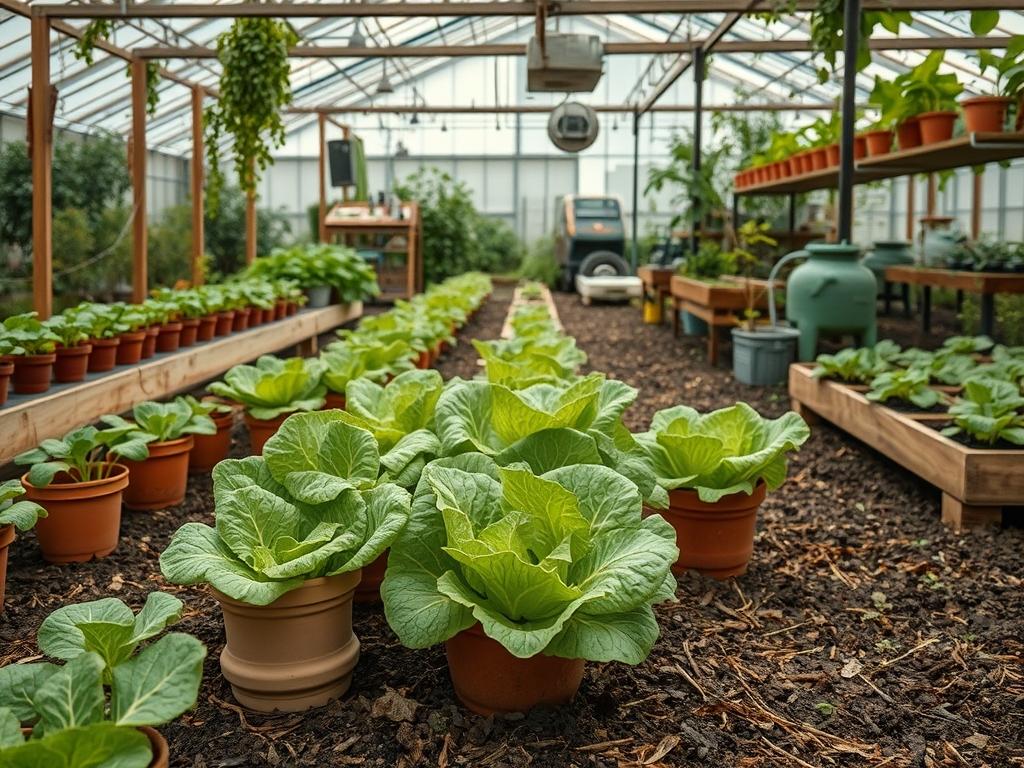
Integrating edible flora into a professional landscape design requires more than just a green thumb; it demands a strategic understanding of site orientation, microclimates, and the life cycle of every botanical element. While many property owners view the vegetable garden as a separate, purely utilitarian zone, the modern landscape architect sees it as a fluid component of the larger estate. Saving Lettuce Seeds serves as an entry point for those looking to transition from passive plant observers to active environmental stewards. The process of allowing Lactuca sativa to reach full maturity and go to seed creates a unique verticality in the garden bed that serves as a temporary structural element. This architectural shift from a low-profile rosette to a towering flower stalk provides an opportunity to observe how seasonal transitions affect the visual balance of a backyard layout.
A well-planned landscape must account for the ephemeral nature of annual crops. When a designer integrates lettuce into a formal border or a modern raised bed system, they are dealing with a plant that moves through its aesthetic peak quickly. However, the decision to allow these plants to bolt, flower, and eventually produce seeds is not merely a horticultural choice, it is a sustainability strategy that ensures the longevity of the garden’s genetic palette. From a curb appeal perspective, a managed seed-saving project demonstrates a high level of intentionality. Instead of seeing a dying plant, a visitor sees a specialized nursery environment. This process requires precise drainage management and a keen eye for spacing, ensuring that the maturing stalks do not overshadow smaller ornamental perennials or obstruct the clean lines of gravel pathways or bluestone pavers.
Landscape Design Principles
In the realm of professional outdoor planning, we look at the garden through the lens of axial symmetry and focal points. Lettuce, when massed in the foreground of a planter, creates a soft, ruffled texture that contrasts beautifully against the rigid geometry of retaining walls or timber edging. As the season progresses and the gardener shifts focus toward Saving Lettuce Seeds, the elevation of the planting bed changes significantly. A plant that was once only 4 inches tall may reach 3 feet in height. This shift must be accounted for during the initial design phase to avoid disrupting the visual hierarchy of the space. Designers often place these “seed-mother” plants in the center of a symmetrical layout, turning the tall, seeding stalks into temporary focal points that draw the eye upward.
Irrigation planning is another vital principle when preparing for a seed harvest. Unlike standard ornamental beds that might rely on overhead sprayers, a landscape designed for seed saving benefits from drip irrigation tubing or soaker hoses. Keeping moisture away from the developing seed heads is critical for preventing fungal pathogens and ensuring the seeds dry properly on the stalk. Furthermore, the use of elevation layers allows the landscape architect to hide the somewhat “scraggly” appearance of drying lettuce behind shorter, bushier evergreens or mid-sized grasses. This layering ensures the garden remains aesthetically pleasing even when the lettuce has passed its culinary prime and entered its reproductive phase.
Plant and Material Selection
Selecting the right materials for a seed-saving landscape involves balancing organic needs with structural durability. The soil must be rich in micronutrients to support the energy-intensive process of seed production, yet it must be housed in containers or beds that match the architectural style of the home.
| Plant Type | Sun Exposure | Soil Needs | Water Demand | Growth Speed | Maintenance Level |
| :— | :— | :— | :— | :— | :— |
| Butterhead Lettuce | Full Sun / Part Shade | 6.5 pH Loam | Moderate | Fast | Low |
| Romaine Lettuce | Full Sun | Well-drained Silt | High | Medium | Medium |
| Red Leaf Lettuce | Partial Shade | Organic Compost | Moderate | Fast | Low |
| French Marigold | Full Sun | Sandy Loam | Low | Medium | Very Low |
| Alyssum | Full Sun / Part Shade | Standard Garden Soil | Moderate | Fast | Low |
Implementation Strategy
The successful implementation of a landscape that accommodates seed saving begins with proper grading and site preparation. Before any shovels hit the dirt, the architect must ensure the area has a 2 percent slope away from any permanent structures to facilitate drainage. Once the grade is established, the installation of edging serves as the boundary between the turf and the cultivation zones. Using steel edging or pressure-treated 4×4 timbers provides a clean, professional finish that keeps the landscape looking sharp even when individual plants are in various stages of their life cycle.
After the structural boundaries are set, a layer of geotextile fabric can be used under walkways to prevent weed intrusion, but it should be avoided within the planting beds themselves to allow for natural root expansion. The planting beds should be amended with organic compost and topped with shredded hardwood mulch at a depth of 3 inches. This mulch layer regulates soil temperature and moisture, which is essential when you are waiting for lettuce to bolt. When the lettuce flowers begin to dry and turn into small, dandelion-like puffs, the seeds are ready for collection. Using a simple hand pruner, the stalks can be cut and placed in a breathable canvas bag to finish drying in a controlled environment.
Common Landscaping Failures
One of the most frequent mistakes in residential landscapes is the failure to account for soil compaction. When heavy equipment or frequent foot traffic compresses the earth, oxygen is squeezed out, leading to poor root development and stunted seed production. In a seed-saving context, this can result in “shriveled” seeds that lack the energy to germinate next season. Another common issue is the overcrowding of plants. While a dense “carpet” of lettuce looks lush in a magazine, Saving Lettuce Seeds requires sufficient airflow around each plant to prevent rot during the transition from flower to seed.
Irrigation inefficiencies also plague many beginner landscapes. Over-watering during the final stages of the seed’s life can cause the seeds to sprout prematurely on the mother plant, a phenomenon known as vivipary. Similarly, improper drainage can lead to standing water around the base of the stalks, which invites pests and pathogens. A professional landscape solves this by utilizing French drains or surface catch basins in low-lying areas. Finally, many homeowners fail to use the right mulch; using un-aged wood chips can temporarily tie up nitrogen in the soil, depriving the lettuce of the nutrients needed to produce viable offspring.
Seasonal Maintenance
Landscape management is a year-round commitment that changes with the sun’s angle and the soil’s temperature.
Spring: This is the season for installation and site prep. Apply a slow-release fertilizer and install your young Lactuca sativa starts. Ensure the irrigation system is pressurized and checked for leaks. This is also the time to apply a fresh 2-inch layer of mulch to suppress early-season weeds.
Summer: As temperatures rise, monitoring for the “bolting” phase begins. While you might harvest some leaves for consumption, identify the strongest, most vibrant plants to remain for seed production. Increase water frequency during heat waves but focus on the root zone, keeping the foliage dry.
Autumn: This is the primary window for Saving Lettuce Seeds. Once the flower heads have turned white and fluffy, harvest them on a dry afternoon. After the harvest, clear out the spent stalks and add them to the compost bin. Perform a soil test to determine what nutrients were depleted during the growing season.
Winter: Focus on hardscape maintenance and planning. Clean and sharpen your garden trowels, spades, and pruners. Protect your permanent landscape features from frost heave by ensuring all drainage pipes are clear of debris. Store your harvested seeds in a cool, dark place in airtight glass jars.
Professional Landscaping FAQ
How do I prevent my seed-saving beds from looking messy?
Integrate structural “anchor” plants like Boxwood or Lavender around the perimeter. These evergreens provide a formal frame that contains the more wild, upward growth of bolting lettuce, maintaining a sense of order throughout the plant’s entire life cycle.
Does Saving Lettuce Seeds affect the soil quality?
Producing seeds consumes more phosphorus and potassium than growing simple foliage. After the harvest, replenish the bed with high-quality leaf mold or well-rotted manure to restore the nutrient balance for the next planting cycle.
Can I save seeds from any lettuce variety?
It is best to use open-pollinated or heirloom varieties. Hybrid plants often do not “breed true,” meaning the seeds they produce may grow into a plant that looks and tastes significantly different from the parent.
What is the best way to handle drainage in a seed-saving garden?
Ensure your beds are slightly mounded or “crowned” in the center. This allows excess rainwater to run off toward the swales or drainage grates, preventing the root zone from becoming oversaturated during the critical seed-drying period.
What tools are essential for a professional seed-saving setup?
Invest in a high-quality fine-mesh sieve, bypass pruners, and silica gel packets for long-term storage. Using the right tools ensures the seeds are cleaned properly and kept free of moisture, which significantly extends their shelf life.