
Creating a seamless transition between the controlled interior of a residence and the rugged variability of the outdoor environment requires more than just aesthetic intuition. It demands a rigorous understanding of the biological stressors that move between these two worlds. In professional landscaping, we often view the “green envelope” as a singular ecosystem. When pests like mealybugs infiltrate this space, they do more than just damage a single leaf; they compromise the structural integrity and visual rhythm of the entire design. Managing these infestations through Natural Mealybug Cures is essential for maintaining a healthy landscape that remains vibrant across all four seasons. A sophisticated landscape plan should account for pest management at the design phase, ensuring that the selection of materials and the arrangement of elevation layers do not inadvertently create a breeding ground for these cottony, sap-sucking insects.
The presence of mealybugs often signals an imbalance in the microclimate of your garden or interior terrace. These pests thrive in stagnant, humid environments where natural predators are absent. From a landscape architect’s perspective, the solution is not to reach for harsh synthetic chemicals that can leach into groundwater or damage the limestone of a decorative retaining wall. Instead, we utilize integrated pest management (IPM) strategies that prioritize the long term health of the soil and the plant’s cellular structure. By focusing on organic interventions, we ensure that the outdoor living space remains safe for residents and local pollinators while protecting the high value investments found in your botanical collection.
LANDSCAPE DESIGN PRINCIPLES
In professional garden planning, symmetry and visual balance are the foundations of curb appeal. However, symmetry should never come at the expense of airflow. When we design focal points using dense foliage plants like Boxwood or Taxus, we must calculate the necessary spacing to prevent the heat and moisture traps that mealybugs love. A well designed landscape utilizes elevation layers to create natural vents. By placing taller, airy species like Ornamental Grasses behind lower, denser shrubs, you create a pressure differential that encourages wind movement. This simple mechanical advantage is one of the most effective ways to reduce the need for constant pest intervention.
Irrigation planning is another critical pillar of design that impacts pest resistance. Over-watering, a common mistake in residential projects, leads to a surge in nitrogen rich new growth. This soft tissue is highly attractive to mealybugs. We recommend using smart irrigation controllers and Drip Emitters calibrated to the specific needs of each plant zone. When plants are turgid but not waterlogged, their cell walls are stronger, making it significantly harder for pests to penetrate the surface. Walkways and hardscaping should also be designed with drainage in mind; standing water near the foundation can increase local humidity to levels that facilitate pest outbreaks in transition zones like sunrooms or covered patios.
Visual balance also involves the strategic use of companion planting. By integrating species that attract beneficial insects, such as Yarrow or Dill, you build a defense system directly into the landscape. These plants invite the Lacewing and the Ladybug, which are the natural enemies of mealybugs. In a professional layout, these “service plants” are tucked into the middle layer of the garden where they can provide ecological support without distracting from the primary focal points or formal hedges.
PLANT AND MATERIAL SELECTION
Selecting the right plant material is the most effective way to prevent future maintenance headaches. The following table highlights common species used in both indoor-outdoor transition zones and high end landscaping, along with their specific requirements.
| Plant Type | Sun Exposure | Soil Needs | Water Demand | Growth Speed | Maintenance Level |
| :— | :— | :— | :— | :— | :— |
| Areca Palm | Partial Shade | Well-Drained | Moderate | Medium | High |
| Schefflera | Bright Indirect | Peat-Based | Low to Moderate | Fast | Medium |
| Sansevieria | Low to High | Sandy/Gritty | Very Low | Slow | Low |
| Ficus Lyrata | Bright Indirect | Loamy | Moderate | Medium | High |
| Bird of Paradise| Full Sun | Rich Organic | High | Fast | Medium |
| Jade Plant | Full Sun | Succulent Mix | Low | Slow | Low |
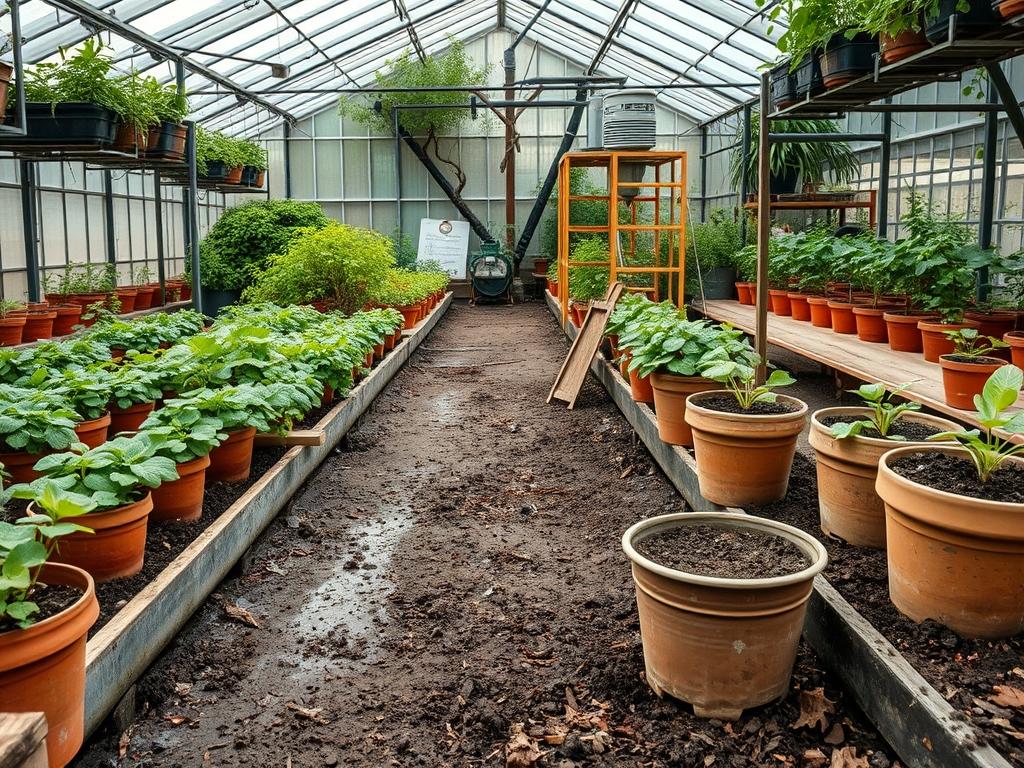
When selecting plants like the Ficus Lyrata (Fiddle Leaf Fig), which is notoriously susceptible to mealybugs, we recommend a quarantine period before it is integrated into a larger design. The materials used in potting and hardscaping also matter. We prefer using Terracotta or Breathable Ceramic for transition plants, as these materials allow for a better exchange of gases and prevent the soil from becoming a soggy nursery for larvae.
IMPLEMENTATION STRATEGY
The implementation of a professional garden layout begins with site preparation and grading. To ensure that your Natural Mealybug Cures are effective, the environment must be conducive to plant health. Start by grading the land at a 2% slope away from the home’s foundation and any outdoor living structures. This prevents water from pooling around the base of your plants. Once the grading is complete, install high quality edging made of Steel or Paver Stones to define your beds. This provides a clean line that prevents lawn grass from encroaching on your ornamental species, which can often be a bridge for pests.
When you are ready to apply treatments to your plants, the method is as important as the substance. For an active infestation, we recommend a mechanical cleaning first. Use a Pressure Sprayer filled with a mixture of 1 gallon of water and a few drops of organic dish soap to knock the insects off the foliage. Once the plant is dry, a topical application of 70% Isopropyl Alcohol can be used on a cotton swab to target individual colonies. For broader protection, especially in large scale landscapes, an application of Neem Oil at a concentration of 2 tablespoons per gallon of water is highly effective. Ensure you coat the underside of every leaf, as this is where pests hide.
Mulch depth is another strategic consideration. Apply 3 inches of high quality Organic Cedar Mulch or Pine Bark. Avoid creating “mulch volcanoes” around the trunks of trees or shrubs, as this trapped moisture invites fungal pathogens and provides a sheltered pathway for mealybugs to travel from the soil to the canopy. Proper mulch application regulates soil temperature and keeps the roots cool, reducing the environmental stress that often precedes a pest outbreak.
COMMON LANDSCAPING FAILURES
One of the most frequent failures we see in residential landscapes is root overcrowding. When plants are placed too closely together to achieve an “instant” full look, they compete for nutrients and water. This competition weakens the specimens, making them easy targets for mealybugs. Always follow the professional spacing guidelines provided by the nursery, which usually recommend spacing plants based on their mature width. If a shrub grows to 5 feet wide, it should be planted at least 2.5 feet away from any structural wall or neighboring plant.
Soil compaction is another silent killer in the landscape. In high traffic areas, the soil becomes packed down, preventing oxygen from reaching the roots. This leads to physiological stress. We recommend aerating lawn areas annually and using Expanded Shale or Perlite to improve the porosity of garden beds. Furthermore, irrigation inefficiencies, such as misaligned sprinkler heads that spray foliage directly rather than the root zone, can promote the spread of pests and diseases. Water should always be directed at the base of the plant to keep the leaves dry and less hospitable to insects.
SEASONAL MAINTENANCE
In the spring, focus on cleaning up winter debris where pests might have overwintered. This is the time to apply a preventative spray of Horticultural Oil to suffocating any remaining eggs. As the weather warms into summer, monitor your Hydration Levels closely. Heat stress can trigger a mealybug population explosion. Mid-summer is also the ideal time to release Cryptolaemus montrouzieri, a predatory beetle often known as the mealybug destroyer, into your garden beds.
During autumn, as you prepare to move transition plants back indoors, a thorough inspection is mandatory. Do not bring any plant inside without first treating it with a Castile Soap wash. This prevents the indoor environment from becoming an incubator for pests during the colder months. In winter, the focus shifts to indoor air quality. Dry, heated air is a catalyst for mealybug activity. Use a Humidifier to keep the relative humidity around 50%, which supports plant health and discourages the spread of these insects.
PROFESSIONAL LANDSCAPING FAQ
What is the fastest natural way to kill mealybugs?
Applying 70% Isopropyl Alcohol directly to the insects with a cotton swab provides instant results. For larger areas, a spray of Neem Oil or Insecticidal Soap will disrupt their life cycle and provide lasting control over several weeks.
Can mealybugs live in the soil of my garden?
Yes, certain species inhabit the root zone, particularly in well drained, sandy soils. If you suspect an underground infestation, a soil drench using a diluted Neem Oil solution can safely neutralize the pests without damaging the plant’s delicate root system.
Is it safe to use natural cures on all plants?
Most species tolerate Natural Mealybug Cures well, but some thin leaved plants may be sensitive. Always test a small area first. Avoid applying oils or soaps in direct sunlight or when temperatures exceed 85 degrees Fahrenheit to prevent leaf scorch.
How do I prevent mealybugs from returning to my landscape?
Maintain optimal plant health through proper Irrigation and Fertilization. Ensure yours beds have adequate Airflow by pruning regularly and avoiding overcrowding. Encouraging natural predators like ladybugs and lacewings provides a sustainable, long term defense against future infestations.
Will mealybugs spread from my houseplants to my outdoor garden?
Absolutely. Mealybugs can be transported by wind, ants, or on your clothing and tools. It is vital to treat any infested plant immediately and maintain a “buffer zone” between indoor transition plants and your primary outdoor ornamental garden beds.