
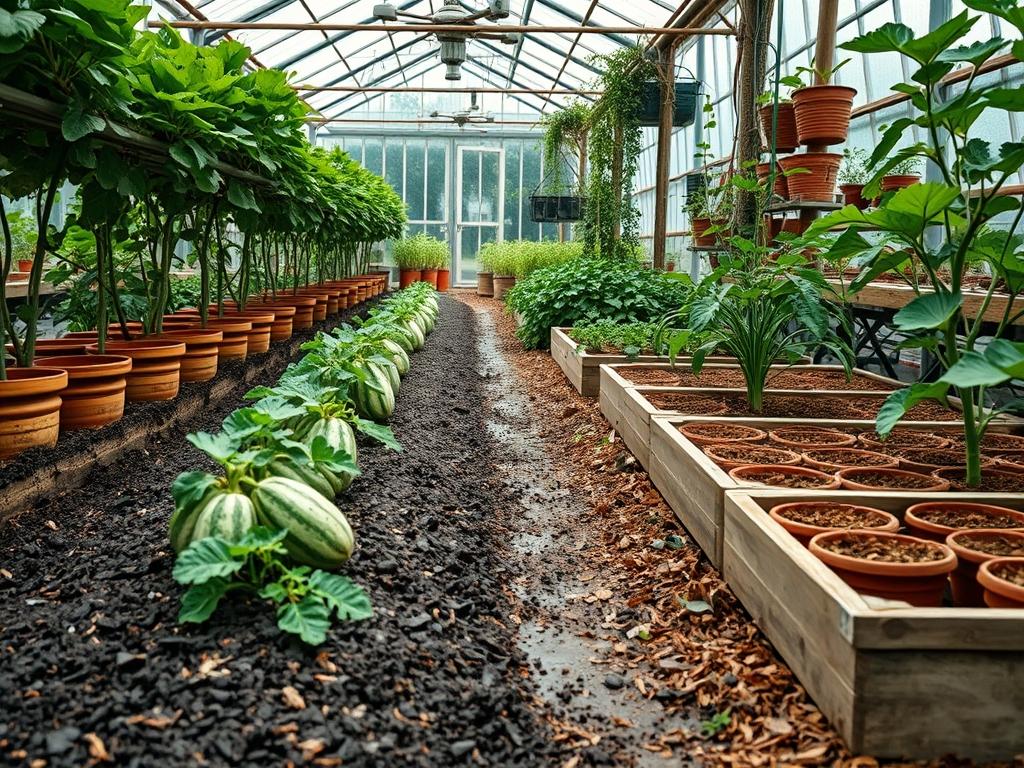
Successful landscape design requires a deep understanding of the intersection between aesthetic structure and biological productivity. When a professional architect or designer plans an outdoor space that blends ornamental beauty with the utility of an edible harvest, they must consider the entire lifecycle of the specific plant species selected. Incorporating Watermelon vines into a sophisticated layout involves more than just digging a hole; it necessitates a mastery of drainage, soil composition, and spatial coordination to ensure that the fruit reaches the peak maturity required for viable seed extraction. A landscape that supports the specific goal of saving watermelon seeds is one that respects the natural timeline of the garden. This requires allowing the fruit to remain on the vine until the tendrils wither and the undersides turn a creamy yellow, signaling that the genetic blueprint within is fully developed.
Creating a functional and attractive environment that accommodates high production crops like Watermelon involves balancing seasonal growth with permanent architectural features. In regions with long, hot summers, these vines act as a vibrant, temporary groundcover that can soften the edges of hardscaped areas. However, the architect must account for the sprawling nature of the plant, which can easily overwhelm smaller perennials or block pedestrian walkways if not managed with intentionality. The goal of a high end landscape is to maintain curb appeal while fostering a miniature ecosystem where plants can go to seed naturally. Saving watermelon seeds requires the fruit to reach a stage of “biological ripeness” that often exceeds the “culinary ripeness” preferred for eating. This means the fruit might sit in the garden longer than usual, requiring a design that hides the slight yellowing of the foliage or incorporates the maturing fruit as a seasonal focal point.
Landscape Design Principles
Symmetry and focal points serve as the backbone of any professional outdoor environment. When integrating sprawling annuals into a site plan, use structured elements like Boxwood hedges or Steel Edging to create clear boundaries. This prevents the large leaves of the vine from appearing messy or unkempt. A well designed garden uses elevation layers to create visual interest. For instance, planting vines at the top of a Retaining Wall allows the foliage to cascade down, creating a vertical green curtain that saves horizontal square footage. This technique also improves air circulation around the fruit, which is vital for preventing rot during the long maturation period required for seed development.
Irrigation planning is another critical pillar of landscape architecture. For a garden focused on seed production, the water delivery system must be both consistent and targeted. Drip Irrigation is the preferred method, as it delivers moisture directly to the root zone while keeping the leaves dry to prevent fungal pathogens. Walkways should be constructed from porous materials like Decomposed Granite or Flagstone to ensure that foot traffic does not compact the soil near the root systems. Ensuring visual balance requires the architect to pair the heavy, coarse texture of watermelon leaves with finer textures, such as Ornamental Grasses or Lavender, which provide contrast and keep the landscape looking curated throughout the growing season.
Plant and Material Selection
| Plant Type | Sun Exposure | Soil Needs | Water Demand | Growth Speed | Maintenance Level |
| :— | :— | :— | :— | :— | :— |
| Watermelon (Crimson Sweet) | Full Sun | Sandy Loam | High | Fast | Moderate |
| Creeping Juniper | Full Sun | Well-Drained | Low | Moderate | Low |
| English Lavender | Full Sun | Gritty / Alkaline | Low | Moderate | Moderate |
| Dwarf Boxwood | Part Sun | Loamy | Moderate | Slow | High |
| Switchgrass | Full Sun | Heavy Clay/Sand | Low | Fast | Low |
| Sugar Maple | Full Sun | Deep / Moist | Moderate | Slow | Low |
Implementation Strategy
The first step in any backyard layout is a professional site analysis to determine the grading of the land. A 1% to 2% slope is ideal for directing excess surface water away from the primary planting beds. Before the first vine is placed, the soil must be amended with Organic Compost to a depth of 12 inches to provide the nutrient density needed for large fruit production. Once the soil is prepared, use Steel Rakes to level the surface and install Woven Weed Fabric if you intend to use inorganic mulch, though a 3-inch layer of Cedar Mulch is often superior for moisture retention and temperature regulation.
When the layout is finalized, mark the locations for the central root balls of your vines. If your goal is saving watermelon seeds, you must provide enough space for each plant to reach its full genetic potential without competing for resources. Space the main stems at least 6 feet apart. As the vines grow, use U-shaped Landscaping Staples to pin the runners in desired directions, guiding them away from walkways and toward open areas of mulch. To ensure the fruit reaches the extreme ripeness necessary for seed viability, place a Small Wooden Shingle or a Plastic Mesh Cradle under each developing melon. This prevents direct contact with the damp soil, reducing the risk of bottom rot and pest infiltration while the seeds mature.
Common Landscaping Failures
One of the most frequent mistakes in residential landscaping is poor drainage planning. If water pools around the base of the plants, the roots will suffer from hypoxia, leading to stunted growth and hollow-hearted fruit. Properly installed French Drains or Catch Basins can mitigate these issues in low-lying areas. Another common failure is root overcrowding. Often, homeowners plant too many specimens in a small area, resulting in a tangled mass of vegetation that lacks the energy to produce high quality seeds. This competition for nitrogen and phosphorus leads to small, underdeveloped fruit that contains sterile or immature seeds.
Improper spacing and soil compaction also plague many outdoor spaces. When heavy equipment or frequent foot traffic compresses the earth, the delicate capillary action of the soil is destroyed. This prevents oxygen from reaching the roots and hinders the plant’s ability to uptake water. Furthermore, irrigation inefficiencies, such as using overhead Oscillating Sprinklers, can lead to an increase in powdery mildew. This fungal infection coats the leaves in a white film, reducing the plant’s photosynthetic capacity and ultimately preventing the fruit from reaching the stage of over-ripeness required to harvest mature, dark, and viable seeds for next year’s crop.
Seasonal Maintenance
Spring is the season for preparation and installation. Begin by testing the soil pH and applying Granular Fertilizer with a high phosphorus content to encourage strong root and bloom development. As temperatures rise in early summer, focus on moisture management and vine training. This is the period when the landscape architect must ensure the Drip Irrigation timers are adjusted to compensate for increased evaporation rates. Monitor the “pigtail” tendril closest to the fruit. When it turns brown and brittle, the watermelon is technically ripe for eating, but for those focused on saving watermelon seeds, another 7 to 10 days of vine time is often beneficial.
In the autumn, the landscape transitions into a stage of cleanup and seed processing. Once the fruit is harvested and the seeds are extracted, the spent vines should be removed and composted to prevent the overwintering of pests. Apply a fresh layer of Bark Mulch to protect the soil from erosion during fall rains. Winter maintenance involves the structural care of the hardscape. Inspect Retaining Walls for shifts caused by freeze-thaw cycles and sharpen your Pruning Shears for the upcoming season. If you have successfully saved your seeds, store them in a cool, dry place in Glass Vials or Paper Envelopes to ensure they remain dormant until the spring planting cycle begins again.
Professional Landscaping FAQ
How do I know when the fruit is ready for seed saving?
The fruit should be past the stage of peak eating quality. Look for a withered vine tendril, a dull skin appearance, and a deep yellow ground spot. The seeds must be hard and dark to be considered viable for future planting.
Will watermelon vines damage my existing hardscaping?
No, the vines do not have woody structures or invasive tendrils that can crack stone or concrete. However, the weight of the fruit can be significant. Ensure that any Lattice or Trellis work is anchored securely to support the heavy weight.
Can I grow watermelons in a small urban landscape?
Yes, use vertical gardening techniques. By using a Heavy-Duty Trellis and supporting the fruit with Nylon Slings, you can grow watermelons in a footprint as small as 2 square feet, provided the area receives at least 8 hours of sun.
What is the best mulch for an edible landscape?
Pine Bark Mini-Nuggets or Arborist Wood Chips are ideal. They provide excellent moisture retention, suppress weeds effectively, and eventually break down into the soil, adding valuable organic matter that supports the high nutrient requirements of large vine-growing fruit crops.
How do I prevent drainage issues in clay soil?
Incorporate Expanded Shale or Gypsum to improve the soil structure. If the area remains soggy, construction of Raised Beds at a height of 12 to 18 inches ensures that the root zone stays above the saturated ground level during heavy rain.