
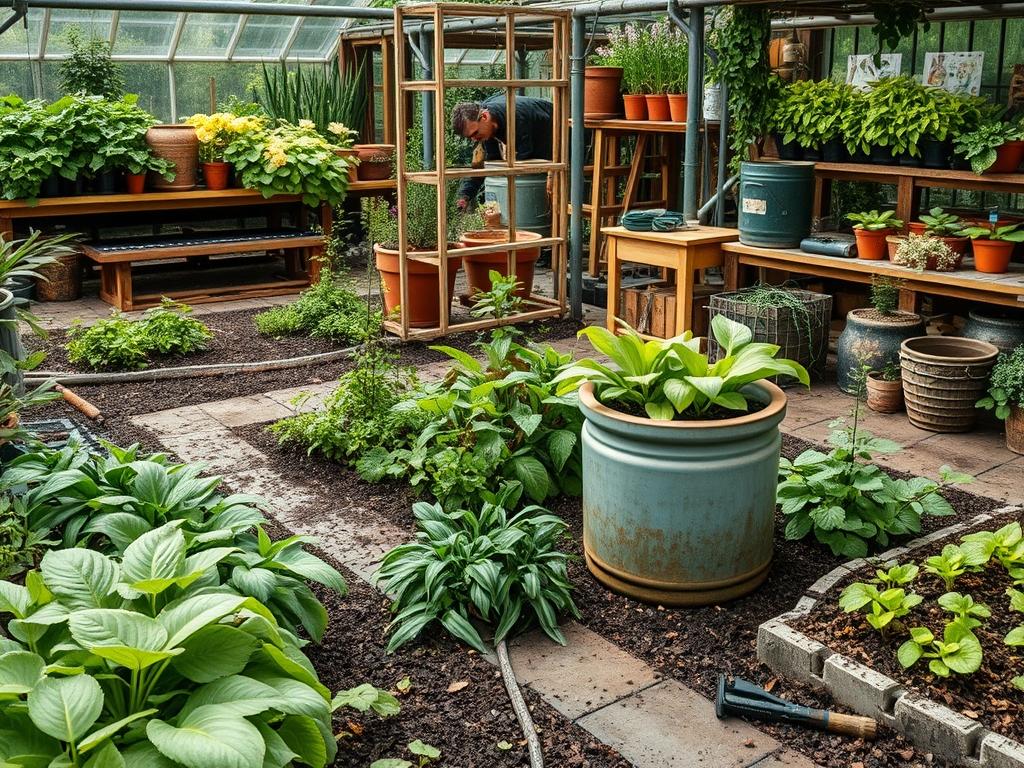
Modern residential water management has evolved from simple utility into a sophisticated design element that defines the ecological intelligence of a property. Designing Rain Butts with integrated natural filters allows a landscape architect to marry form and function; transforming a standard storage vessel into a living bio-filtration system. In many arid or drought prone regions, the ability to capture and purify every gallon of precipitation is not just a conservation tactic but a necessity for maintaining a lush, healthy garden. The integration of these systems requires a deep understanding of hydrology, material science, and aesthetic balance. By utilizing natural layers of stone, sand, and biological agents, we can remove sediments and pathogens before the water even reaches the storage tank. This approach significantly enhances the curb appeal of a home by replacing unsightly plastic barrels with artisanal structures that complement the architectural lines of the primary residence.
Landscape Design Principles
When conceptualizing a water harvesting system, the principle of elevation is paramount. Gravity dictates the movement of water, and a well designed rain butt must be positioned at a height that allows for effective distribution through a drip irrigation system. We often utilize Retaining walls or stone plinths to raise the vessel, which also creates a vertical focal point in the garden layout. Symmetry plays a significant role here; if a home has two major downspouts on a front elevation, we design twin filtration units to frame the entryway. This creates a sense of intentionality rather than an afterthought installation.
Visual balance is achieved by layering the hardscaping elements around the water feature. A heavy Stone basin or a high density Polyethylene tank clad in Cedar slats should be grounded by lower level plantings and wide Walkways made of Permeable pavers. These paths do more than provide access; they manage any minor overflow and direct it toward the root zones of nearby trees. Irrigation planning must be subterranean where possible. By hiding the 1/2 inch poly tubing beneath a layer of Hardwood mulch, we maintain the clean architectural lines of the site while ensuring the captured water is delivered directly to the soil where it is needed most.
Plant and Material Selection
The following table outlines the botanical components used within or immediately adjacent to the natural filtration zones. These species are selected for their ability to thrive in fluctuating moisture levels.
| Plant Type | Sun Exposure | Soil Needs | Water Demand | Growth Speed | Maintenance Level |
| :— | :— | :— | :— | :— | :— |
| Juncus effusus | Full Sun | Heavy Clay/Moist | High | Fast | Low |
| Iris virginica | Full/Partial | Loamy/Wet | High | Moderate | Low |
| Carex aquatilis | Partial Shade | Saturated | High | Moderate | Low |
| Equisetum hyemale | Full/Partial | Poorly Drained | High | Aggressive | Medium |
| Lobelia cardinalis | Partial Shade | Rich/Moist | High | Moderate | Medium |
Implementation Strategy
The process begins with a precise site survey to determine the grading of the area surrounding the foundation. Proper grading must slope away from the home at a minimum of 2 percent to prevent basement seepage. Once the site is leveled, we excavate a base for the rain butt, filling it with 6 inches of Compactable gravel topped by a thin layer of Leveling sand. This creates a stable, non shifting foundation that can support several hundred gallons of water weight. Each gallon of water weighs approximately 8.34 pounds, so a 100 gallon tank requires a foundation capable of supporting over 800 pounds without settling.
The filtration unit itself consists of a secondary vessel or a tiered upper chamber within the primary butt. We start the filter with a bottom layer of 2 inches of Large river rock to ensure the exit valve does not clog. Above this, we place a layer of Geotextile fabric followed by 4 inches of Activated charcoal to remove chemical impurities and odors. A second fabric barrier supports 6 inches of Coarse builder’s sand, which serves as the primary mechanical filter for fine particulates. The top layer consists of Pea gravel mixed with smaller Lava rocks to break the fall of incoming water and prevent erosion of the sand layer. For a bio-active filter, we integrate the plants listed above into the upper gravel layer, allowing their roots to draw nutrients and pollutants directly from the incoming rainwater.
Common Landscaping Failures
The most frequent error in Designing Rain Butts is the failure to plan for high volume overflow events. During a heavy storm, a 1,000 square foot roof can shed over 600 gallons of water per hour. If the rain butt is only 50 gallons, the excess must be routed through a 3 inch PVC overflow pipe to a designated rain garden or a French drain. Without this, the water will pool against the foundation or cause severe erosion of the surrounding Landscape mulch.
Another significant mistake is ignoring the risk of soil compaction during the installation of heavy tanks. As the tank fills, it exerts tremendous downward pressure. If the soil was not properly amended with Crushed stone, the tank may tilt, causing the Gutter diverter to disconnect and the filter layers to mix or fail. We also see many systems fail due to stagnant water becomes a breeding ground for mosquitoes. A professional design includes a tight fitting Stainless steel mesh screen at every entry and exit point to prevent insect access while allowing air to circulate.
Seasonal Maintenance
Designing Rain Butts with natural filters requires a disciplined maintenance schedule to ensure the biological and mechanical components remain effective. In the Spring, the entire system should be flushed. This involves removing the top layer of Pea gravel to rinse away the decomposed organic matter that accumulated over the winter. We check all Faucets and O-rings for cracks and ensure the Downspout diverter is clear of bird nests or debris.
During the Summer, maintenance shifts to the health of the filtration plants. If there is a prolonged dry spell, the plants in the filter bed may require manual watering to keep their root systems viable. We also monitor the Activated charcoal layer; if the water begins to take on a yellow tint or a swampy odor, it is time to replace the charcoal media. Autumn is the most demanding season. Falling leaves can quickly clog the intake screens. We recommend installing Gutter guards and checking the primary filter screen once a week to prevent the “tea bag” effect, where rotting leaves steep in the captured water and degrade its quality.
Finally, Winter preparation is vital in climates where the ground freezes. We recommend draining the rain butt completely and leaving the Bottom valve open. If water freezes inside a rigid tank, the expansion will likely crack the shell or destroy the internal filtration tiers. Any delicate Submersible pumps should be removed and stored in a temperature controlled environment until the first thaw.
Professional Landscaping FAQ
How often should the filtration media be replaced?
The Coarse sand and Pea gravel can last several years with annual rinsing. However, the Activated charcoal should be replaced every 12 to 18 months to ensure chemical filtration remains effective and the water stays clear.
Can I use the filtered water for edible vegetable gardens?
While natural filters remove many impurities, rainwater from roofs can carry heavy metals or pathogens. We recommend using this water primarily for ornamental plants, lawns, and fruit trees, or performing a laboratory water test before using it on leafy greens.
What is the best material for a long lasting rain butt?
Food grade polyethylene is the most durable and cost effective option for the inner liner. For high end aesthetics, we encase these tanks in Natural stone, Corten steel, or Pressure treated timber to match the existing landscape architecture.
How do I prevent algae growth inside the tank?
Algae requires sunlight to photosynthesize. By using an opaque storage vessel or cladding the tank in Wood slats, you block the UV rays. Ensuring the tank is tightly sealed also prevents excess nutrient load from entering the water.
How much space is needed for a natural filter system?
A standard system requires a footprint of approximately 3 feet by 3 feet. This allows for the storage vessel and a small perimeter of Drainage stone to manage any splashing or minor overflow during peak rainfall events.