
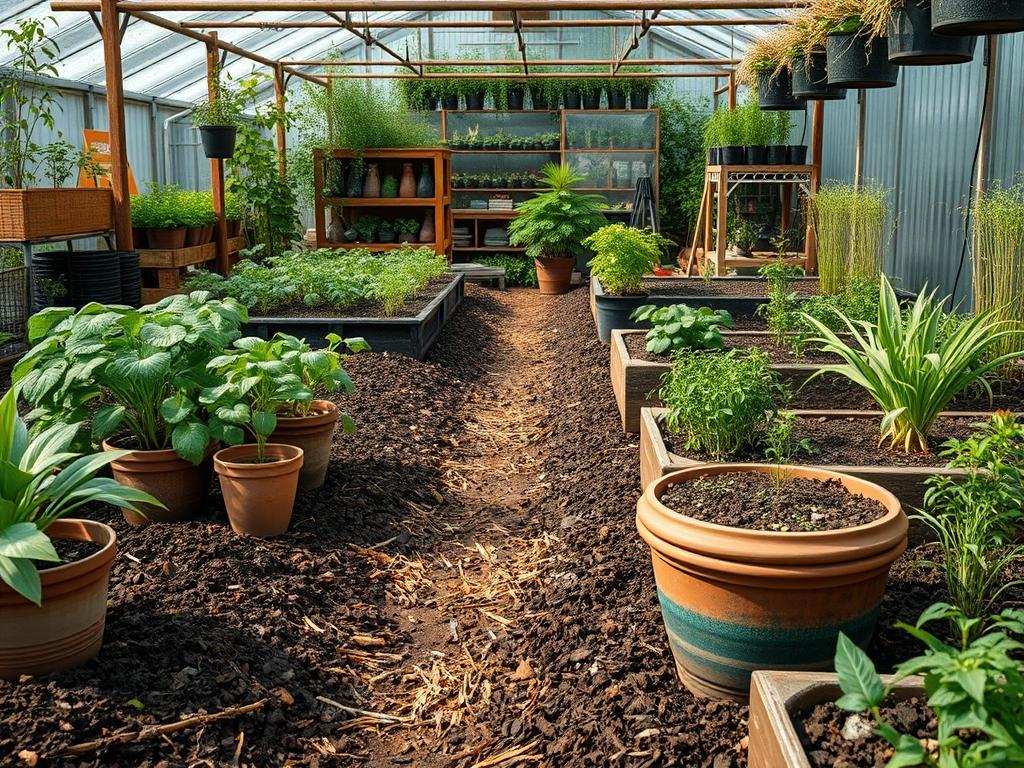
The integration of functional edible crops into a sophisticated landscape design requires more than just an aesthetic eye; it demands a deep understanding of soil thermodynamics and moisture management. When we approach the installation of high-value crops like Garlic and various berry species, the choice of ground cover becomes a structural decision. Landscape architects often look beyond the visual appeal of a mulch and focus on its performance as an insulator. Using Straw for Mulch serves as a vital component in the transition between active growth and the dormant winter phase. For the professional designer, the goal is to create a resilient outdoor environment that survives the harsh fluctuations of local microclimates while maintaining a polished, intentional appearance. In many temperate zones, the primary threat to the longevity of a garden is the freeze-thaw cycle, which can heave bulbs out of the ground or sever the delicate root systems of perennial fruits. By implementing a high-quality straw layer, we provide a thermal buffer that stabilizes the soil temperature and ensures that the investment in plant material is protected throughout the year.
The functionality of a landscape is often measured by its ability to provide a return on labor and resources. In the context of backyard planning, the transition from summer ornamentals to autumn food production must be seamless. Garlic is a unique element in this design because it is planted when most of the garden is being put to bed. This timing coincides with the need for a clean, uniform mulch that reflects light and suppresses the inevitable surge of winter weeds. For berries, particularly Strawberries and Raspberries, the mulch acts as a barrier between the fruit and the soil, preventing rot and fungal pathogens that thrive in damp, uncovered earth. From an architectural perspective, the use of Straw provides a golden, textured contrast to the dark greens of evergreen backdrops or the weathered grey of garden Retaining Walls. It signals a managed, productive space rather than a neglected patch of dirt.
Landscape Design Principles
Modern garden planning relies on the successful marriage of form and function. When designing a space for Garlic or berries, symmetry and focal points are established through the use of raised beds and clearly defined Walkways. These structural elements prevent soil compaction and ensure that the irrigation system can reach the root zones without being obstructed by overhanging foliage. We often recommend a layered approach to elevation, where taller canes like Blackberries are positioned toward the rear of a site, while lower-profile crops like Garlic and Strawberries occupy the foreground. This creates a visual hierarchy that guides the eye through the landscape.
Effective irrigation planning is another pillar of professional design. For berry patches, a Drip Irrigation system buried beneath the Straw layer ensures that water is delivered directly to the roots, minimizing evaporation and keeping the foliage dry. This is critical for preventing diseases such as powdery mildew. Furthermore, the use of Edging materials, such as Steel Strips or Treated Timber, provides a crisp border that contains the mulch and prevents it from spilling into gravel paths or lawn areas. Visual balance is achieved by selecting materials that complement the surrounding architecture; for instance, the golden hue of Rice Straw pairs beautifully with natural stone and warm wood tones.
Plant and Material Selection
Selecting the right cultivars and mulching materials is essential for a low-maintenance, high-yield environment. The following table outlines the requirements for common plants that benefit significantly from Straw application.
| Plant Type | Sun Exposure | Soil Needs | Water Demand | Growth Speed | Maintenance |
| :— | :— | :— | :— | :— | :— |
| Garlic | Full Sun | Well-drained, Rich | Low | Slow | Low |
| Strawberries | Full Sun | Loamy, Acidic | Moderate | Moderate | Medium |
| Raspberries | Full Sun / Part | Rich, Moist | High | Fast | High |
| Blueberries | Full Sun | Highly Acidic | High | Moderate | High |
| Blackberries | Full Sun | Heavy, Moist | Moderate | Aggressive | Medium |
Implementation Strategy
The successful installation of a berry or garlic patch begins with proper site grading. Before any plants are put into the ground, the soil must be leveled or sloped slightly to ensure that excess water moves away from the plant crowns. Once the Garlic cloves are planted at a depth of 3 inches or the berry starts are positioned, the application of Straw follows. We recommend a depth of at least 4 inches to 6 inches for winter insulation. This layer should be flaked out carefully using a Pitchfork to ensure even coverage across the entire bed.
For berries, the strategy involves tucking the Straw closely around the base of the plant while avoiding direct contact with the main stem to prevent moisture-related rot. In the case of Strawberries, the mulch serves a dual purpose during the growing season; it keeps the berries off the soil and provides a clean surface for harvesting. When planning the layout, ensure that Walkways are at least 24 inches wide to allow for comfortable maintenance access. Using Landscape Fabric beneath the paths, but not inside the planting beds, helps maintain a weed-free environment while allowing the organic mulch in the beds to decompose and enrich the soil over time.
Common Landscaping Failures
One of the most frequent mistakes in garden management is the confusion between Hay and Straw. Hay contains seeds that will germinate and create a massive weed problem within the landscape. Professional consultants always specify Seed-free Wheat Straw or Barley Straw to avoid this failure. Another common issue is improper drainage. If the soil remains saturated under the mulch, the roots of the Garlic or berries will suffocate. This is often caused by a lack of proper grading or by placing the garden in a low-lying area of the property without a proper drainage solution like a French Drain.
Soil compaction is another silent killer of productive landscapes. When gardeners walk directly on the planting beds instead of utilizing designated Walkways, the pore space in the soil is crushed, preventing the movement of oxygen and water. This is why defined borders and permanent paths are essential. Finally, many homeowners fail to monitor the nitrogen levels in their soil. As Straw breaks down, it can temporarily tie up nitrogen. A professional approach involves a light application of an Organic Fertilizer high in nitrogen before the mulch is applied to ensure the plants have the nutrients they need to thrive.
Seasonal Maintenance
Maintenance in a professional landscape is a year-round commitment. In the spring, the primary task is to monitor the Garlic shoots as they emerge. If the Straw layer is too thick, it may need to be lightly thinned with a Rake to allow the tender greens to push through. For Strawberries, spring is the time to check for any signs of winter kill and to refresh the mulch layer if it has settled significantly. This ensures the fruit remains protected once the blooms appear.
During the summer, the focus shifts to irrigation and weed management. The Straw should be checked for moisture retention; if the soil feels dry beneath the mulch, the irrigation timing should be adjusted. Autumn is the season for major intervention. After the Garlic is harvested in late summer, the beds are prepped for the next planting cycle. For berries, autumn involves pruning dead canes and applying a fresh, heavy layer of Straw before the first hard frost. In winter, maintenance is minimal, though it is wise to check that the wind has not displaced the mulch, leaving the crowns of the berries exposed to the elements.
Professional Landscaping FAQ
How thick should the mulch layer be for winter?
For effective winter protection, apply Straw at a depth of 4 to 6 inches. This thickness provides the necessary thermal insulation to prevent soil heaving and protects the dormant root systems from extreme temperature fluctuations and heavy frosts.
Can I use straw for blueberry bushes?
While Straw is excellent for most berries, Blueberries require acidic soil. You can use it, but adding Pine Needles or Pine Bark is better for maintaining the low pH levels that these specific plants need to produce fruit successfully.
What is the best time to apply mulch to garlic?
Apply the Straw immediately after planting your Garlic in late autumn. This timing ensures the soil remains warm enough for initial root development while providing an immediate barrier against the cooling ambient air temperatures of the approaching winter.
Does straw attract pests to the garden?
While organic mulch can provide habitat, proper maintenance minimizes risks. Keeping Straw a few inches away from the main stems of woody plants prevented rodent damage. Regularly checking the beds ensures that the landscape remains healthy and free of infestations.
How often do I need to replace the straw?
Organic Straw decomposes over time, which benefits the soil structure. You should typically refresh the top layer every autumn. This maintains the desired aesthetic and ensures the functional depth remains consistent for weed suppression and moisture retention throughout the year.