
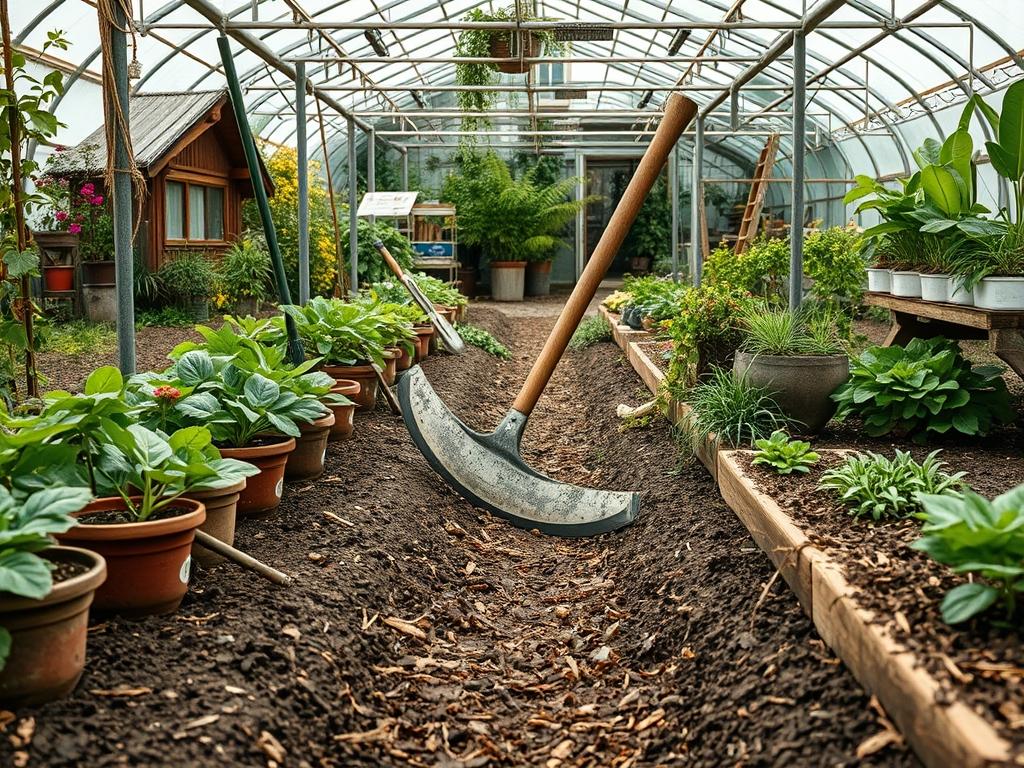
Landscape management often demands a surgical touch that heavy, gas-powered machinery simply cannot provide. For the senior landscape architect, the challenge lies in creating a living environment that balances ecological health with a refined, high-end aesthetic. Modern meadow management and the maintenance of complex, multi-layered slopes require tools that respect the soil structure and the quietude of a residential or commercial retreat. This is where the intersection of classical horticulture and traditional scythe care becomes essential. Using an Austrian scythe or a standard grass blade allows for precise control over the height and texture of native plantings, reinforcing the curb appeal while promoting biodiversity. Unlike noisy string trimmers that can damage the bark of specimen trees or scar the edges of natural stone pavers, a well-kept scythe glides through vegetation with minimal disturbance. The success of this approach hinges on the meticulous maintenance of the tool, specifically through the process of peening, which ensures the blade remains an extension of the professional’s intent.
Landscape Design Principles
A successful landscape design utilizing manual maintenance tools must prioritize fluidity and accessibility. When planning for a scythe-managed area, the concept of symmetry often yields to the organic flow of the land. Focal points, such as a multi-stem Amelanchier or a custom-designed water feature, should be surrounded by open swaths that allow for a rhythm of movement. Elevation plays a critical role here; by creating gentle, undulating mounds or tiers, the architect can direct the eye and manage water runoff simultaneously.
Irrigation planning must be integrated into the subsurface to avoid obstructions during the mowing season. Proper walkways, often constructed from decomposed granite or irregular flagstone, should serve as clear boundaries that define the “mown” and “unmown” sections of the property. This visual balance creates a sense of intentionality, making a wilder meadow look like a deliberate design choice rather than an untended field. Effective drainage remains the foundation of these designs, as the scythe is most effective on firm, well-drained soil where the blade can pass close to the crown of the grass without catching on mud or hidden debris.
Plant and Material Selection
Selecting the right plant material is vital for a landscape that will be maintained using traditional tools. The following species are chosen for their resilience, aesthetic value, and their compatibility with manual scythe cutting.
| Plant Type | Sun Exposure | Soil Needs | Water Demand | Growth Speed | Maintenance Level |
| :— | :— | :— | :— | :— | :— |
| Schizachyrium scoparium | Full Sun | Well-drained | Low | Moderate | Low |
| Festuca rubra | Part Shade | Loamy/Dry | Medium | Fast | Moderate |
| Bouteloua gracilis | Full Sun | Sandy/Rocky | Very Low | Slow | Low |
| Sorghastrum nutans | Full Sun | Clay/Heavy | Medium | Fast | Moderate |
| Deschampsia cespitosa | Part Shade | Moist/Boggy | High | Moderate | High |
| Calamagrostis acutiflora | Full Sun | Rich/Loamy | Medium | Fast | Medium |
Implementation Strategy
The transition from a conceptual drawing to a functional, scythe-ready backyard requires a systematic approach to site preparation. First, grading must be executed with precision. Any sudden dips or sharp rises in the earth can lead to “scalping,” where the 60 cm blade of the scythe digs into the soil rather than cutting the grass. Once the grade is established, the installation of 6-inch steel edging or stone borders provides a hard stop that prevents rhizomatous grasses from encroaching on delicate flower beds.
The layout of the garden should accommodate the “swing” of the gardener. This means avoiding narrow corridors or “dead ends” where a 150 cm snath cannot be maneuvered. When installing mulch, maintain a depth of 3 inches around shrubs and trees to suppress weeds that the scythe cannot reach. Finally, the implementation of a French drain system or a dry creek bed ensures that the meadow areas do not become waterlogged throughout the spring, as cutting wet, heavy grass is significantly more taxing on both the tool and the operator.
Common Landscaping Failures
The most frequent failure in high-end landscaping is a lack of long-term maintenance foresight. Drainage mistakes are a primary culprit; puddling in meadow areas leads to anaerobic soil conditions and the death of native bunchgrasses, which are subsequently replaced by invasive, thick-stemmed weeds that are difficult to mow by hand. Root overcrowding is another issue; when plants are spaced too closely initially to provide “instant” curb appeal, they quickly compete for nutrients, leading to a leggy, unattractive appearance.
Furthermore, many practitioners ignore the physics of the tool itself. Attempting to use a dull or improperly peened blade results in “tearing” the grass rather than slicing it. This leaves the plant susceptible to disease and creates a brown, frayed finish that ruins the visual impact of the landscape. Soil compaction from previous construction phases can also prevent deep root penetration, causing the turf to go dormant and brown prematurely in the summer sun, negating the cooling benefits of a lush, grassy expanse.
Seasonal Maintenance and Traditional Scythe Care
Maintaining the integrity of the landscape requires a strict adherence to the seasonal cycle of the tool. Traditional scythe care is not a chore but a rhythmic necessity that begins well before the first blade of grass is cut.
Spring is the season for peening. Peening is the process of cold-hammering the edge of the blade to thin the metal and harden it. Using a peening anvil and a weighted hammer, the professional strikes the last 3 mm of the blade edge. This work-hardens the steel, creating a razor-thin profile that cannot be achieved with a file or a grinder. A properly peened blade requires only a light touch with a fine-grit whetstone during actual use. This process should be repeated every 30 hours of mowing to maintain the structural integrity of the metal.
Summer maintenance shifts to the mowing technique. The best results are achieved at dawn when the dew is still on the grass. The water acts as a natural lubricant for the 70 cm grass blade, allowing it to slice through the stems with minimal resistance. This is also the time to monitor irrigation controllers, ensuring that the meadow receives deep, infrequent watering to encourage the roots of Andropogon gerardii to dive deep into the subsoil.
Autumn is dedicated to the final “clean-up” cut. This involves lowering the blade height to remove the year’s thatch, which prevents mold growth during the winter. This is also the ideal time to inspect the wooden snath for cracks and to apply a coat of boiled linseed oil to the timber to prevent drying and splintering.
Winter is the time for a deep audit of the landscape’s hard elements. Inspect retaining walls for frost heave and ensure that drainage grates are clear of fallen leaves and debris. During these quiet months, the scythe blade should be cleaned of all organic residue, wiped with a light coat of machine oil, and stored in a dry environment to prevent oxidation.
Professional Landscaping FAQ
What is the primary benefit of peening over grinding?
Peening thins and hardens the steel through cold-working, creating a durable, razor-sharp edge. Grinding removes vital material and can overheat the metal, ruining the temper of the high-carbon steel blade and shortening its overall lifespan.
How often should I use a whetstone while mowing?
For maximum efficiency, you should hone the blade every five to ten minutes. A quick pass with a natural whetstone realigns the microscopic edge, ensuring the scythe continues to slice the grass cleanly rather than pushing it over.
Can a scythe handle thick, woody vegetation?
A standard grass blade is not designed for woody stems. For clearing saplings or heavy brush, you must switch to a 40 cm bush blade, which is shorter, thicker, and capable of withstanding the impact of denser material.
How do I prevent rust on my traditional tools?
Always wipe the blade dry after use and remove any sap or green residue. Apply a thin layer of mineral oil or a dedicated tool wax before storage. Keep the tool in a low-humidity environment to ensure longevity.
Is scything faster than using a petrol string trimmer?
In a well-designed meadow, a skilled operator with a well-maintained scythe can often outpace a trimmer. The scythe covers a wider path per stroke and does not require fuel stops, line changes, or heavy protective gear.