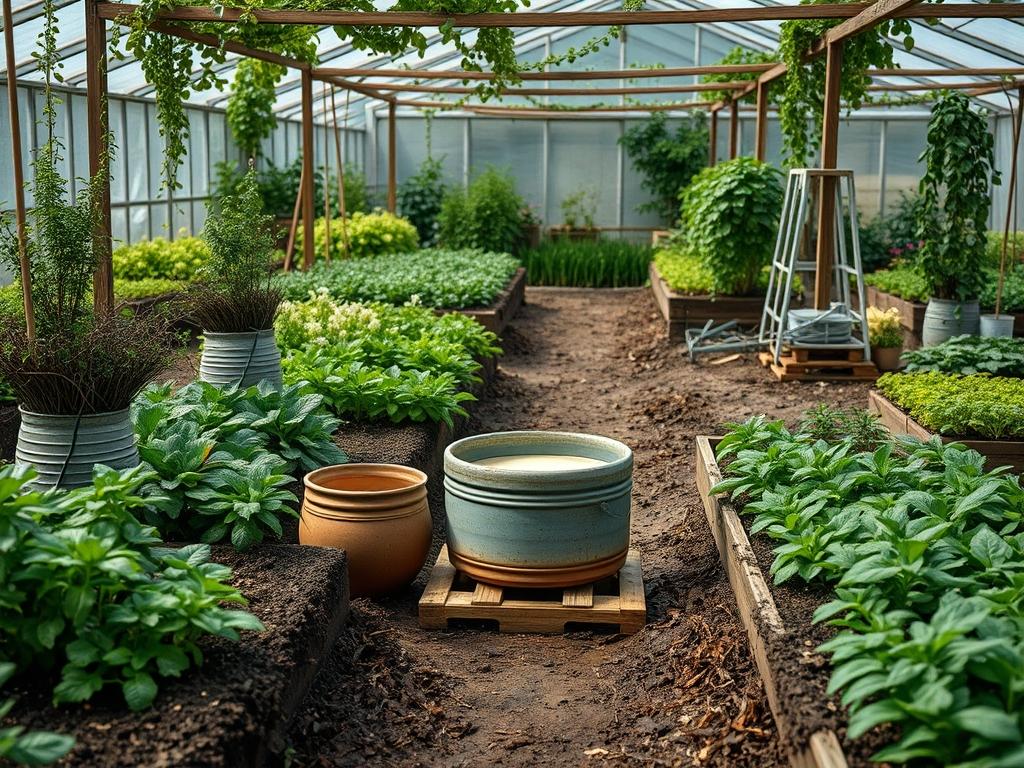
Designing a landscape that supports the artisanal practice of Traditional Butter Churning requires more than just a few pots on a windowsill. It demands a sophisticated integration of horticultural science and site engineering to create an environment where savory aromatics and aesthetic beauty coexist. As a landscape architect, I view the creation of a culinary herb garden as a functional extension of the indoor kitchen space; a designated outdoor room where the harvest directly influences the quality of the final dairy product. The primary challenge lies in balancing the heavy resource needs of high-yield herbs with the structural requirements of a high-traffic outdoor living area. A garden designed for this purpose must offer immediate accessibility to the kitchen while maintaining a microclimate that prevents the delicate essential oils in the herbs from evaporating before they can be harvested. Climate considerations play a pivotal role here. For instance, Mediterranean herbs like Rosemary and Thyme require sharp drainage and intense solar radiation, whereas softer herbs like Parsley or Chives may need protection from the drying afternoon sun. When these elements are managed correctly, the garden does more than provide ingredients; it enhances the property’s curb appeal through varied textures and structured layers, elevating the overall landscape value.
The functionality of the space must also accommodate the physical act of butter preparation. A well-placed Stone Plinth or a heavy Teak Table located within a shaded pergola allows the practitioner to engage in Traditional Butter Churning while surrounded by the scents of the plants they are about to incorporate. This creates a sensory loop that honors the craft. From a design standpoint, the goal is to merge the utility of an herb farm with the elegance of a formal garden, ensuring that the heavy traffic of harvesting does not degrade the soil or the visual appeal of the site.
Landscape Design Principles
Successful garden planning for a culinary-focused landscape relies on the principle of symmetry to create a sense of permanence and order. A formal “four-square” garden layout, mirrored across a central axis, often provides the best framework. This structure allows for a clear Focal Point, perhaps a sundial or a decorative water feature, that anchors the space. To prevent the landscape from appearing flat, we utilize elevation layers. This might involve constructing Raised Beds at heights of 18 inches to 24 inches, which not only provides better drainage for the root systems but also makes harvesting more ergonomic for the user.
Movement through the space is dictated by the placement of walkways. I recommend using Flagstone or Permeable Pavers set in a bed of Crushed Granite. These materials provide a stable, all-weather surface that prevents soil compaction near the planting zones. Below the surface, irrigation planning is critical. A dedicated Drip Irrigation System ensures that water is delivered directly to the root zones, minimizing foliar moisture which can lead to fungal issues in dense herbs. By layering taller shrubs like Bay Laurel toward the back and lower-growing “creeping” varieties toward the edges, we achieve a visual balance that guides the eye through the landscape while maximizing the utility of every square foot.
Plant and Material Selection
| Plant Type | Sun Exposure | Soil Needs | Water Demand | Growth Speed | Maintenance Level |
| :— | :— | :— | :— | :— | :— |
| Common Thyme | Full Sun | Well-Drained | Low | Moderate | Low |
| Rosemary | Full Sun | Sandy/Loam | Low | Moderate | Moderate |
| Chives | Full/Part Sun | Rich/Loam | Moderate | Fast | Low |
| Lavender | Full Sun | Gritty/Alkaline | Low | Slow | Moderate |
| Flat-Leaf Parsley | Full/Part Sun | Moist/Rich | Moderate | Fast | Low |
| Garden Sage | Full Sun | Sand/Loam | Low | Moderate | Low |
| Sweet Marjoram | Full Sun | Light/Sandy | Low | Fast | Moderate |
Implementation Strategy
The implementation phase begins with a thorough site analysis and grading plan. To ensure proper drainage, the land must be sloped at a rate of at least 2 percent away from any permanent structures. If the terrain is naturally flat, we create artificial elevation using Berms or Retaining Walls. Once the grade is established, the layout is marked using a Leveling String and Landscape Stakes to define the boundaries of the beds and paths.
Before any plant enters the ground, the soil must be amended based on its specific composition. For herbs intended for Traditional Butter Churning, we often look for a soil pH between 6.0 and 7.0. We incorporate Organic Compost into the top 8 inches of the soil to provide a slow-release nutrient base. Edging is then installed to create a clean break between the turf and the garden beds. I prefer using Heavy-Duty Steel Edging or Masonry Bricks to prevent the encroachment of grass.
After planting, a layer of Double-Shredded Hardwood Mulch is applied at a depth of 2 inches to 3 inches. This mulch serves three purposes: it suppresses weeds, retains consistent soil moisture, and adds a professional finish to the beds. For high-traffic areas near the churn station, we might utilize Pea Gravel as a mulch substitute, which stays in place better and reflects light up into the canopy of the plants. Finally, the hardscaping, such as the Churning Platform, is leveled and secured on a 4-inch base of Compacted Road Base and 1 inch of Leveling Sand.
Common Landscaping Failures
The most frequent error in herb-centric landscaping is poor drainage. Herbs are notoriously sensitive to “wet feet,” and a lack of proper soil porosity can kill a mature Lavender bush in a single season. Many homeowners fail to account for soil compaction; using heavy machinery during construction can press the soil so tightly that oxygen and water cannot reach the roots. To fix this, we often use a Broadfork to aerate the soil without turning it over.
Another common failure is improper spacing. It is tempting to plant herbs close together for an immediate “full” look, but this leads to root overcrowding and restricted airflow. Without at least 12 inches to 18 inches of space between most culinary herbs, powdery mildew thrives. Additionally, many gardeners ignore the invasive nature of certain species. Mint, for example, should never be planted directly in a communal bed; its rhizomes will quickly choke out other plants. It must be contained within a Sunken Pottery Vessel or a dedicated Planter Box to prevent it from seizing the entire landscape.
Seasonal Maintenance
Spring maintenance focuses on rejuvenation and structural integrity. Use a Sharp Bypass Pruner to remove any winter dieback from woody herbs like Rosemary and Sage. This is also the time to apply a thin layer of Compost Tea to jump-start microbial activity in the soil. As the weather warms into summer, the priority shifts to irrigation management and deadheading. Ensure that the Drip Emitters are not clogged and that the Timer is set to water during the early morning hours to reduce evaporation.
In autumn, the landscape professional prepares the plants for dormancy. Many herbs used in Traditional Butter Churning can be harvested one last time before the first frost. Mulch should be refreshed to protect root systems from the upcoming freeze-thaw cycles. During the winter, the focus turns to the hardscape. Check Retaining Walls for shifts caused by frost heave and ensure that any stone pathways are kept clear of heavy debris. This cyclical attention ensures that the garden remains a productive and beautiful asset year after year.
Professional Landscaping FAQ
What is the best way to improve soil drainage for herbs?
Install a French Drain or incorporate Perlite and Coarse Sand into the planting beds. Elevating the garden via Raised Beds is the most effective method for controlling moisture levels in heavy clay environments.
How do I prevent my culinary herbs from becoming woody?
Consistent pruning is essential. Remove the top one-third of the plant’s growth during the active season to encourage succulent, new leaves. This keeps the essential oil concentration high for use in Traditional Butter Churning.
Can I use treated lumber for my herb garden beds?
In culinary landscapes, it is safer to use Cedar or Redwood. These woods are naturally rot-resistant and do not contain the chemicals found in pressure-treated lumber that could potentially leach into your food-grade herbs.
What is the ideal mulch for a kitchen garden?
Use Organic Pine Straw or Nutrient-Rich Compost. Avoid dyed mulches, as they can contain contaminants. A 2-inch layer provides the necessary thermal protection and moisture retention without suffocating the low-growing herb roots.
How often should I test my garden soil?
A professional Soil Test should be conducted every two years. This allows you to monitor pH levels and nutrient depletion accurately, ensuring your plants have the specific mineral balance required for high-quality aromatic production.