
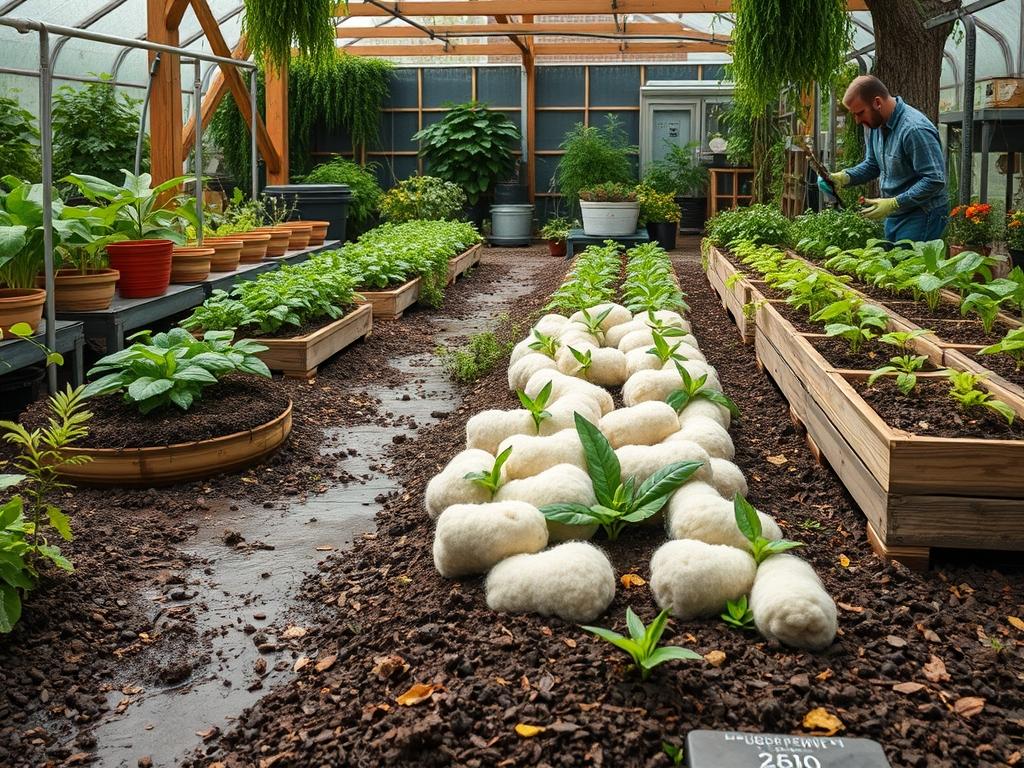
Landscape architects are increasingly tasked with balancing aesthetic brilliance with rigorous environmental stewardship. As global weather patterns become more volatile, the primary challenge in modern outdoor design is water management. Traditional bark mulches often fail under extreme heat or heavy rain, either desiccating too quickly or washing away during storm surges. This is where the integration of advanced organic materials, specifically Sheep Wool Mulch, transforms a standard garden into a resilient ecosystem. Using sheep wool mulch is not merely a trend in sustainable gardening; it is a sophisticated method of stabilizing soil temperature and optimizing the moisture cycle. By leveraging the natural hydroscopic properties of wool, designers can ensure that high-value ornamental installations and functional native landscapes thrive with significantly less supplemental irrigation.
Landscape Design Principles
Effective landscape design relies on the harmony of symmetry and focal points. When planning a space that utilizes sheep wool, think of the mulch as a foundational element that dictates the health of the visual layers above it. Proper elevation layers start with the subgrade and move upward through the soil profile to the surface mulch. Wool mulch provides a neutral, matte texture that allows the vibrant colors of Perennials and Evergreens to pop, creating a professional finish that enhances curb appeal. Beyond aesthetics, the material plays a critical role in walkway planning. Because wool creates a dense, felted mat over time, it helps define the borders of paths and prevents soil erosion near hardscaped edges.
Visual balance is achieved by repeating textures across the garden. Integrating wool mulch around the base of a central Japanese Maple and repeating that application under smaller Boxwood groupings creates a cohesive narrative. From a structural standpoint, the mulch acts as a thermal blanket. In regions with fluctuating temperatures, this insulation protects the delicate root systems of specimen plants, ensuring that the focal points of your design do not suffer from frost heave or summer wilt. This functional reliability allows the architect to experiment with more sensitive species that might otherwise struggle in the local microclimate.
Plant and Material Selection
Choosing the right vegetation to pair with wool mulch requires an understanding of how the material interacts with both the soil and the atmosphere. Wool is rich in nitrogen, phosphorus, and potassium, which are released slowly as the fibers break down. This makes it an ideal companion for heavy feeders and plants that require consistent moisture levels.
| Plant Type | Sun Exposure | Soil Needs | Water Demand | Growth Speed | Maintenance Level |
| :— | :— | :— | :— | :— | :— |
| Lavender | Full Sun | Well-drained | Low | Moderate | Low |
| Hosta | Shade/Part Shade | Rich/Moist | High | Fast | Medium |
| Echinacea | Full Sun | Average | Low | Fast | Low |
| Hydrangea | Part Sun | Humus-rich | High | Moderate | High |
| Switchgrass | Full Sun | Varied | Low | Fast | Low |
| Blueberry | Full Sun/Part Sun | Acidic | Medium | Slow | Medium |
Implementation Strategy
The successful application of wool mulch begins long before the first bag is opened. First, the site must be prepared through meticulous grading. Ensure the soil slopes away from building foundations at a minimum of 2 percent grade to prevent water pooling. Once the terrain is sculpted, install your edging materials. Rigid steel edging or stone pavers provide a clean transition between the mulched beds and turf areas. For a professional finish, the soil should be clear of all perennial weeds and debris.
When applying Sheep Wool Mulch, you generally have two options: wool pellets or wool mats. For large scale planting beds, wool pellets are spread using a hand spreader or garden rake. Apply the pellets at a depth of approximately 2 inches. Upon the first watering, these pellets expand, knitting together to form a breathable, protective crust. If you are working on a steep embankment or a high-wind area, wool mats are preferable. These are pinned down using biodegradable landscape staples to provide immediate erosion control. Unlike wood chips, which can be easily displaced, the interlocking fibers of wool stay put, making them ideal for modern retaining walls and tiered garden designs.
Common Landscaping Failures
One of the most frequent mistakes in professional landscaping is the over-application of mulch, often referred to as “volcano mulching.” When wool or wood is piled too high against the trunk of a tree, it traps excessive moisture against the bark, leading to rot and fungal infections. Maintain a 3 inch gap between the mulch and the base of any woody plant. Another common failure is ignoring drainage logic. If the local soil is heavy clay, wool mulch can sometimes hold too much water, leading to anaerobic conditions where roots literally drown. In these scenarios, it is vital to incorporate perlite or coarse sand into the soil before mulching to ensure adequate oxygen exchange.
Root overcrowding is another issue that arises when designers do not account for the mature spread of a plant. Because wool mulch promotes vigorous growth by regulating soil moisture and providing nutrients, plants often grow faster than expected. Improper spacing at the time of installation leads to a cluttered aesthetic and competition for light. Always refer to the specific growth speed metrics and give each plant the room it needs to reach its structural potential. Finally, watch for soil compaction. Even with the best mulch, frequent foot traffic over planting beds will crush the soil macropores, limiting the effectiveness of the wool in facilitating capillary action.
Seasonal Maintenance
Landscape management is a year-round commitment that changes with the sun’s trajectory. In the Spring, inspect the wool mulch for any thinning areas. As the wool biodegrades, it feeds the soil, so you may need to top up the beds with a fresh 1 inch layer to maintain the moisture retention benefits. This is also the time to check your irrigation lines. Ensure that drip emitters are positioned underneath the wool layer to maximize water efficiency and minimize evaporation.
During the Summer, the wool mulch performs its hardest work. Monitor the moisture levels using a soil moisture meter. You will likely find that beds mulched with wool require 50 percent less water than those with traditional bark. In the Autumn, do not remove the old wool. Instead, lightly rake it into the top layer of soil and apply a fresh winter coat. This provides essential insulation for the dormant period. In Winter, the dense fibers of the wool protect the soil from the drying effects of cold winds and prevent the rapid freezing and thawing cycles that can damage the root crowns of native plants.
Professional Landscaping FAQ
How does sheep wool mulch prevent weed growth?
The wool fibers interlock to create a dense, opaque barrier. This prevents sunlight from reaching weed seeds in the soil. Furthermore, the physical texture of the wool acts as a natural deterrent for many common garden pests like slugs and snails.
Can wool mulch be used in containers?
Yes, it is highly effective for potted displays. Use wool pellets on the surface of the potting mix to reduce the frequency of watering. It is particularly useful for hanging baskets, which are prone to drying out rapidly in high heat.
Does using sheep wool mulch affect soil pH?
Wool is generally pH-neutral. As it decomposes, it does not acidify the soil like some pine-based mulches do. This makes it a safe, versatile choice for a wide variety of plants, from acid-loving Azaleas to alkaline-tolerant Clematis.
How long does a single application of wool mulch last?
In most temperate climates, a standard 2 inch layer of wool mulch will last for approximately 12 to 24 months. Factors such as local rainfall, microbial activity in the soil, and temperature will influence the exact rate of decomposition.
Is wool mulch safe for use around pets and wildlife?
Absolutely. Raw sheep wool is a natural, chemical-free product. It poses no threat to domestic animals or local wildlife. In fact, many birds will scavenge small bits of the wool fibers to use as soft, insulating material for their nests.