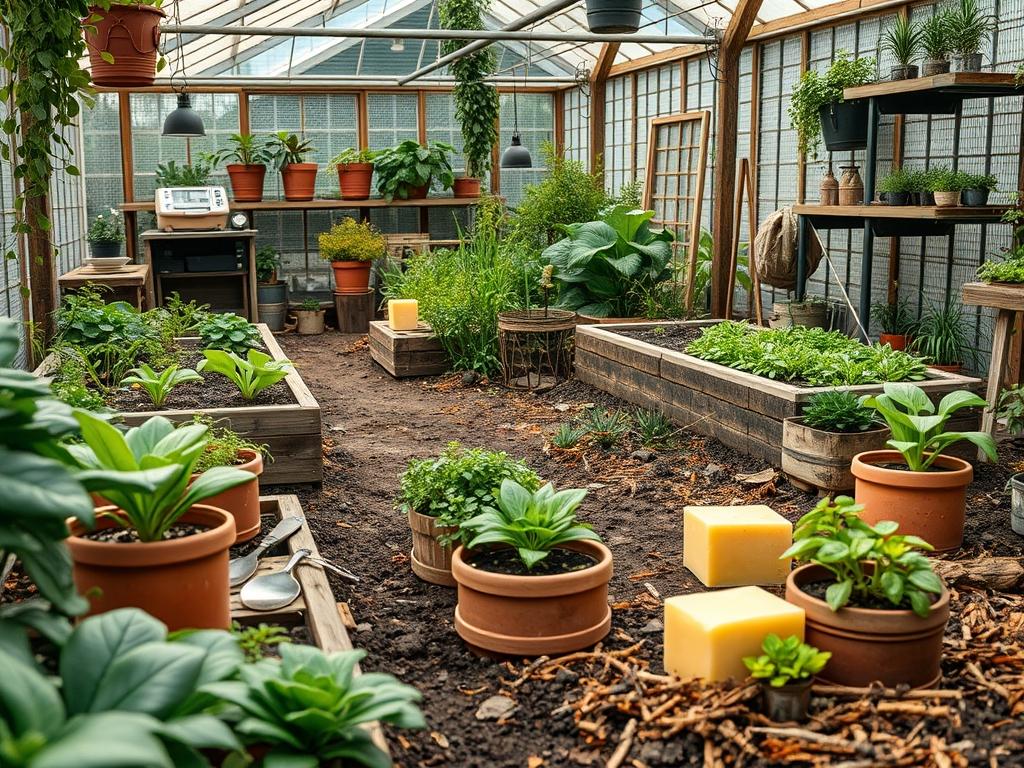
Designing a functional landscape that supports traditional soap making requires a sophisticated synthesis of aesthetic beauty and practical utility. Most homeowners view herb gardens as secondary features, often tucked away in small containers or neglected corners. However, for those dedicated to traditional soap making, these botanical additions represent high value inventory that must be managed with professional precision. The primary challenge for an outdoor consultant involves balancing the aggressive growth habits of essential oil producing species with the formal requirements of property curb appeal. One must consider the specific microclimate of the site, ensuring that the sunlight and soil conditions allow for the maximum development of the resins and volatiles needed for high quality soap production. A well designed landscape does more than provide raw materials; it creates a structured, sensory experience that increases property value while serving a specialized artisanal purpose.
Integrating these plants into a residential or commercial site involves more than just digging holes. We look at the site as a living laboratory where drainage, light intensity, and air circulation dictate the health of the specimens. For traditional soap making, the quality of the harvested material is directly proportional to the stress or support the plant receives from its environment. This means the landscape architect must plan for the peak harvest periods of midsummer while ensuring the garden remains visually appealing during the dormant winter months. Properly utilized, a soap herb garden becomes a permanent structural asset, utilizing native plants and strategic hardscaping to define the outdoor living space.
Landscape Design Principles
Symmetry and focal points are the cornerstones of a professional garden layout. When planning a space for traditional soap making, use structural herbs like Rosemary or Lavender to define pathways and boundaries. These plants offer a woody structure that maintains its form throughout the year, providing a sense of permanence. Using Lavender (Lavandula angustifolia) as a low hedge along a walkway provides both a sensory experience and a clear geometric line that pleases the eye. Symmetry can be achieved by mirroring these hedges on either side of a central axis, leading toward a focal point such as a stone fountain or a dedicated drying shed.
Elevation and layering are equally critical. By using retaining walls or tiered planting beds, a designer can create distinct zones for different herbal needs. Tall, sun loving species like Lemongrass should occupy the rear elevations, while low growing groundcovers like Thyme occupy the foreground. This layering ensures that every plant receives adequate sunlight and prevents larger species from shading out smaller ones. Furthermore, incorporating retaining walls allows for better control over soil composition, which is vital for herbs that require specific pH levels or exceptionally high drainage. It also brings the plants closer to the harvester’s reach, reducing the physical strain during large scale collection for traditional soap making.
Irrigation planning must be invisible yet highly efficient. Drip irrigation systems are preferred over overhead sprinklers to keep the foliage of resinous herbs dry, which prevents fungal growth and preserves the potency of the botanical oils. Walkways should be designed for durability and accessibility, utilizing materials like flagstone or crushed brick. A minimum width of 36 inches is recommended for paths to accommodate harvest baskets and maintenance equipment without damaging the delicate blooms. By combining these structural elements, the gardener creates a workspace that feels like a curated park.
Plant and Material Selection
The following table outlines the essential species for a landscape geared toward traditional soap making, focusing on their growth requirements and maintenance needs within a professional design.
| Plant Type | Sun Exposure | Soil Needs | Water Demand | Growth Speed | Maintenance |
| :— | :— | :— | :— | :— | :— |
| Lavender | Full Sun | Sandy, Gritty | Low | Moderate | Prune annually |
| Rosemary | Full Sun | Well-drained | Very Low | Moderate | Structural pruning |
| Calendula | Full Sun | Rich, Loose | Moderate | Fast | Deadheading blooms |
| Peppermint | Part Shade | Rich, Moist | High | Aggressive | Root containment |
| Lemongrass | Full Sun | Fertile, Sandy | Moderate | Very Fast | Seasonal thinning |
| Sage | Full Sun | Gritty, Dry | Low | Moderate | Replace every 4 years |
| Comfrey | Part Sun | Deep, Rich | Moderate | Fast | Leaf harvesting |
| Eucalyptus | Full Sun | Loamy | Low | Very Fast | Size management |
Implementation Strategy
The implementation of a soap maker’s landscape begins with professional grading. It is essential to ensure that the site slopes away from the home and any permanent structures at a minimum 2 percent grade. This prevents water from pooling around the roots of Mediterranean herbs, which are prone to root rot. Once the grading is established, we use a laser level to mark out the locations for retaining walls and hardscaping features. For edging, powder coated steel or natural stone provides a clean, professional finish that keeps invasive species like Peppermint from migrating into non-intended zones.
Soil preparation is the next step. Most traditional soap making herbs thrive in nutrient dense but well draining environments. We often amend the existing soil with perlite, coarse sand, and organic compost to a depth of 12 inches. After the plants are installed using a hand trowel or spade, a layer of mulch is applied. For an herb garden, a 3 inch layer of shredded cedar or fine pine bark is ideal. This mulch regulates soil temperature and suppresses weeds without altering the soil pH too drastically. If the site has heavy clay, we may install French drains or perforated pipe wrapped in filter fabric to facilitate rapid water movement during heavy rain events.
Common Landscaping Failures
The most frequent mistake in herb for traditional soap making landscapes is poor drainage. Many enthusiasts plant Rosemary and Sage in heavy clay soil without proper amendments, leading to “wet feet” and plant death within a single season. Without proper elevation or the addition of gritty materials, these plants cannot thrive. Another common failure is root overcrowding. While “dense planting” looks good initially, it restricts airflow and encourages spider mites and powdery mildew. We recommend following species specific spacing guidelines, often leaving 24 to 36 inches between larger shrubs to allow for air circulation.
Soil compaction is another silent killer in the landscape. When pathways are not clearly defined, foot traffic compresses the soil, crushing the delicate air pockets that roots need to breathe. This is why hardscaping with pavers or crushed stone is not just an aesthetic choice, but a biological necessity. Finally, many gardeners fail to account for the invasive nature of the Mentha family. Without a physical barrier, such as a buried plastic liner or a dedicated raised planter, mint will quickly overtake a garden, choking out the more delicate flowers used in traditional soap making.
Seasonal Maintenance
Winter landscape management is focused on protection and planning. In colder climates, woody herbs like Rosemary may need a wrap of burlap to protect them from desiccating winds. This is also the time for dormant pruning, where we remove dead wood and reshape the shrubs to prepare for spring growth. Testing the soil pH during the winter allows the landscape consultant to apply lime or sulfur before the active growing season begins.
Spring is the period of maximum activity. This is when we apply a balanced, slow release organic fertilizer to the base of each plant. It is also the time to inspect the irrigation system, checking for leaks in the polyethylene tubing and ensuring that the emitters are not clogged by mineral deposits. As the ground warms, fresh mulch should be added to maintain that 3 inch depth, which is critical for moisture retention during the coming heat.
Summer requires diligent harvesting and water management. For those involved in traditional soap making, harvesting flowers like Calendula and Lavender at the correct moment is essential for oil quality. We recommend harvesting in the early morning after the dew has dried but before the sun is at its peak. Fall is the time for “putting the garden to bed.” This involves removing spent annuals, cutting back perennials that do not provide winter interest, and applying a final layer of compost to nourish the soil over the winter months.
Professional Landscaping FAQ
What is the best way to prevent mint from taking over?
Install a physical root barrier of plastic or metal to a depth of 12 inches. Alternatively, plant all invasive herbs in large terracotta pots that are then sunk into the ground to maintain a seamless aesthetic.
Why is drainage so important for aromatic herbs?
High soil moisture leads to fungal pathogens and root rot. Most herbs used in traditional soap making originated in the Mediterranean, where they evolved in sandy, rocky soil. Proper drainage ensures the concentration of essential oils.
Can I use treated wood for my raised herb beds?
For traditional soap making, it is safest to avoid older pressure treated lumber which may contain arsenic. Modern cedar or redwood are naturally rot resistant options that do not risk leaching harmful chemicals into your botanical ingredients.
How deep should my mulch layer be?
A consistent 3 inch layer of organic mulch is the professional standard. This depth is sufficient to suppress weed seeds and retain soil moisture while still allowing the soil to breathe through the porous material.
Do I need a professional irrigation system for herbs?
While hand watering is possible, a drip irrigation system with a timer provides the consistency needed for high yield harvests. It also keeps the foliage dry, which is paramount for preventing diseases in a dense landscape.