
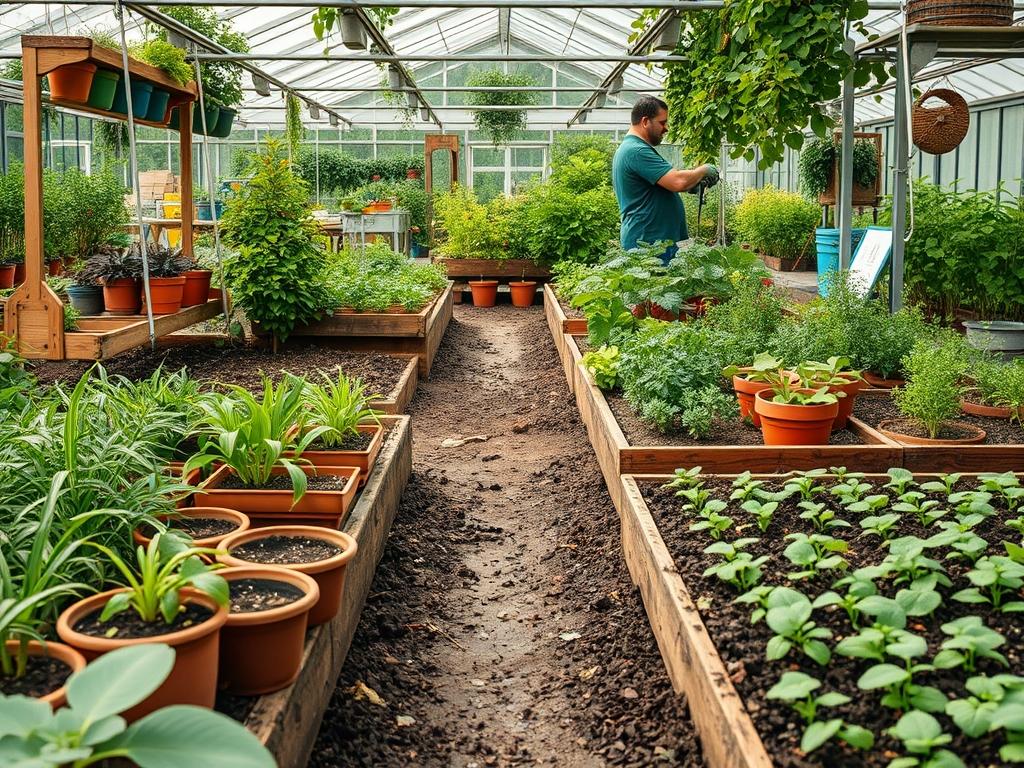
The modern landscape architect acts as a bridge between ecological necessity and aesthetic desire. Today, the conversation around soil health has shifted from simple fertilization to a broader understanding of the circular economy. This shift involves the reintegration of nutrient-rich organic matter derived from treated wastewater, commonly known as bio-solids. While these materials offer a potent source of nitrogen and phosphorus for ornamental gardens, their use requires a rigorous adherence to ethical standards and safety protocols. Using Bio-Solids Safely is not merely a technical requirement; it is a professional obligation to neighbors, local ecosystems, and future inhabitants of the land. We must balance the desire for lush, vibrant curb appeal with the scientific reality of what we put into the earth. Designing an outdoor environment is an exercise in longevity, and the health of the soil profile determines whether a project flourishes for a decade or fails within a single season.
Landscape Design Principles
Effective landscape design begins with a spatial analysis that considers how every element interacts with the terrain. Symmetry and visual balance provide the framework for professional-grade curb appeal, but these aesthetic choices must be supported by invisible infrastructure. When incorporating soil amendments like bio-solids, the focal point remains the visual experience, yet the elevation and grading of the land dictate how nutrients move through the system. We utilize elevation layers to create depth, placing taller specimens like Eastern Red Cedar at the rear of a site to provide a green backdrop, while lower-profile shrubs occupy the mid-ground.
Irrigation planning is perhaps the most critical principle when nutrient-dense materials are used. Designers must ensure that water delivery is precise. Over-irrigation can lead to nutrient leaching, where excess nitrogen is carried away from the root zone and into the groundwater or local storm drains. Walkways and hardscaping elements serve as functional boundaries, separating high-intensity planting beds from sensitive areas such as natural water bodies or play zones. A well-designed landscape utilizes these physical barriers to manage the site footprint effectively. By layering textures and colors, we achieve a harmonious environment where the soil provides the foundational energy for a striking visual display.
Plant and Material Selection
The following table outlines species that thrive in soil profiles enriched with organic residuals. These selections prioritize structural integrity and nutrient absorption to maximize the benefits of the amended soil.
| Plant Type | Sun Exposure | Soil Needs | Water Demand | Growth Speed | Maintenance Level |
| :— | :— | :— | :— | :— | :— |
| Boxwood | Full Sun to Part Shade | Well-Drained | Moderate | Slow | Medium |
| Red Maple | Full Sun | Moist/Acidic | High | Moderate | Low |
| Switchgrass | Full Sun | Adaptable | Low | Fast | Low |
| Hostas | Full Shade | Organic-Rich | Moderate | Moderate | Medium |
| Hydrangea | Part Sun | Moist/Rich | High | Fast | High |
| Daylily | Full Sun | Any | Low | Fast | Very Low |
Implementation Strategy
The successful application of bio-solids begins with a comprehensive site assessment and the mastery of soil integration techniques. Before any material is moved, the site must be cleared of invasive debris and construction waste. Using Shovels and Garden Forks, the existing soil should be loosened to prevent compaction. Using Bio-Solids Safely requires the procurement of Class A Exceptional Quality materials, which have been treated to meet the highest pathogen reduction standards. These are the only types recommended for residential landscaping where human contact is frequent.
To start the layout, mark the boundaries of your planting beds with Landscape Edging or Marking Paint. Once the footprint is established, apply a layer of bio-solid compost approximately 2 inches thick over the surface. Use a Power Tiller to incorporate this material into the top 6 inches of the native soil. This process ensures that the nutrients are distributed evenly and that the organic matter improves the soil structure rather than sitting as a concentrated layer on top.
After mixing, level the area with a Leveling Rake to ensure proper drainage away from any foundations or retaining walls. When planting, dig holes that are twice the width of the root ball to allow new roots to penetrate the amended soil easily. Finish the installation by applying 3 inches of Hardwood Mulch over the beds. This helps retain moisture and provides a secondary layer of protection against runoff. Constant monitoring of the site during the first two weeks is essential to ensure that the irrigation system is not causing ponding or erosion.
Common Landscaping Failures
The most frequent mistake in modern landscaping is the neglect of drainage dynamics. Even the highest quality soil amendments become a liability if the site has poor infiltration. Water trapped at the root zone can lead to anaerobic conditions, causing root rot and the release of unpleasant odors. Proper grading is the only solution for this, ensuring a slope of at least 2 percent away from structures. Another common failure is root overcrowding. Designers often plant for immediate impact, forgetting that a White Oak or Norway Spruce requires significant lateral space as it matures. Overcrowding creates competition for nutrients and limits the airflow necessary to prevent fungal diseases.
Soil compaction is another silent killer of landscape vibrancy. Heavy machinery used during construction can compress the soil so tightly that roots cannot penetrate and water cannot drain. If bio-solids are applied over compacted earth, the nutrients simply wash away during the first heavy rain. Finally, irrigation inefficiencies often plague large-scale projects. Using a standard broadcast sprinkler for every zone leads to over-watering in some areas and drought in others. Drip irrigation remains the professional standard for precise water management, especially when managing nutrient-rich soil beds.
Seasonal Maintenance
Landscape management is a year-round commitment that changes with the cycles of the earth. In the spring, the focus is on reactivation. This is the time to test the soil pH and nutrient levels to ensure the previous applications of bio-solids are still providing adequate support. Clean up debris and refresh the Mulch layers to suppress the first wave of weeds. Ensure that your Pruning Shears are sharp and sanitized to handle early-season structural trimming on deciduous trees.
During the summer, the priority shifts to water conservation and heat stress management. Irrigation systems should be checked weekly for leaks or clogged nozzles. If the landscape reflects signs of nutrient deficiency, a light top-dressing of organic matter can be applied, provided it is watered in immediately. Autumn is the season for preparation and planting. The cooling soil is ideal for establishing new perennials and shrubs. It is also the best time to apply a final thin layer of compost to help the soil retain warmth through the winter months. In the winter, maintenance is mostly observational. Check for signs of erosion and use Tree Wraps to protect young bark from frost cracks or rodent damage. This seasonal rhythm ensures the landscape remains resilient and productive.
Professional Landscaping FAQ
What is the difference between Class A and Class B bio-solids?
Class A bio-solids undergo advanced treatment to eliminate detectable pathogens, making them safe for public contact. Class B materials have higher pathogen levels and are generally restricted to forest lands or agricultural sites with strict access controls.
Can I use bio-solids in my vegetable garden?
While Class A bio-solids are approved for many uses, professional ethics suggest caution. Using Bio-Solids Safely in residential settings is best limited to ornamental plants, lawns, and flowering shrubs to avoid any concerns regarding heavy metal uptake in food.
How do bio-solids affect the local water table?
When applied at the correct agronomic rate, the nutrients are absorbed by plants. However, over-application can lead to nitrogen leaching. Always follow a nutrient management plan to ensure the groundwater remains protected from excess nitrate contamination.
Is there a noticeable odor when using these materials?
High-quality, composted bio-solids typically have an earthy scent similar to traditional forest mulch. If a strong, unpleasant odor persists, it usually indicates that the material was not properly stabilized or that the soil has become waterlogged and anaerobic.
How often should I apply bio-solid amendments?
A single application during the initial planting phase often provides enough organic matter for several years. For established landscapes, a light top-dressing every two to three years is sufficient to maintain soil structure and provide a slow-release source of nutrients.