
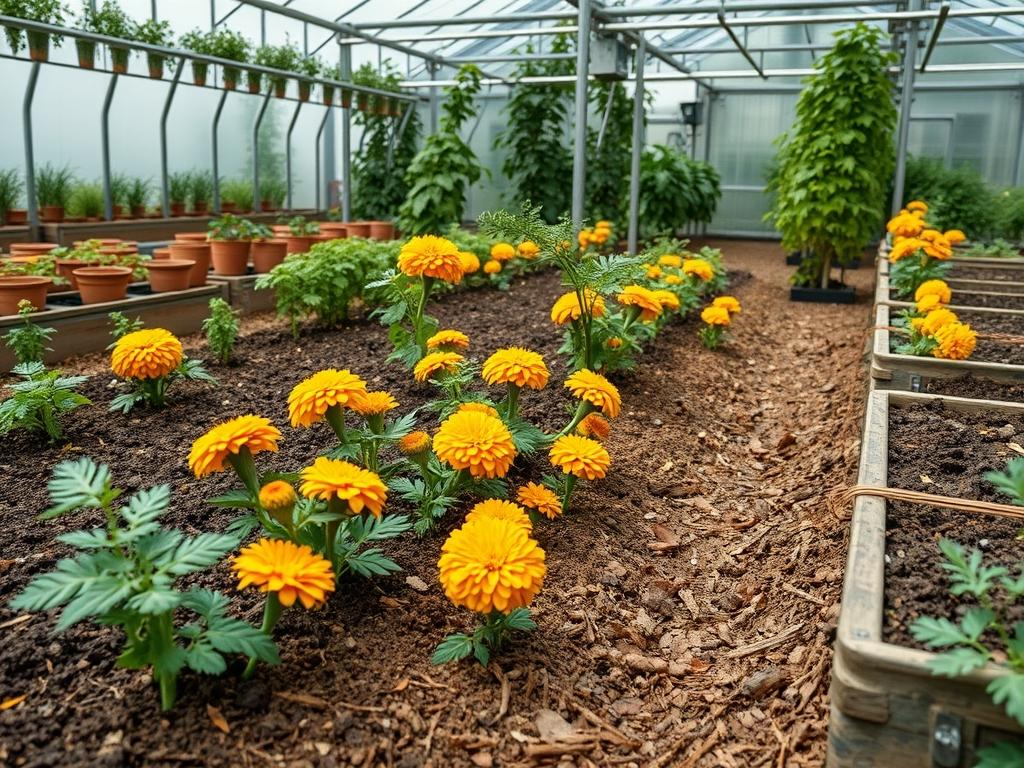
Designing a sustainable residential landscape requires more than just an initial installation; it demands a long-term vision for plant lifecycles and resource management. Marigolds are a cornerstone of professional garden design because they offer high-impact color, pest-deterring properties, and remarkable resilience in a variety of hardiness zones. When a landscape architect integrates these annuals into a site plan, the goal is often to create a self-sustaining cycle where the client can maintain curb appeal without the recurring cost of purchasing new nursery stock every spring. Saving Marigold Seeds is the critical link in this lifecycle. By understanding the architectural structure of the flower and the timing of its senescence, a property owner can preserve the genetic legacy of their best-performing specimens. This practice ensures that the specific hues and heights that complement the home’s exterior palette remain consistent year after year.
Integrating seed-saving into a landscape plan also addresses common outdoor functionality goals. Marigolds are frequently used as biological barriers in integrated pest management strategies, protecting more sensitive focal plants or vegetable beds. Because these plants are prolific bloomers, they provide a dense texture that hides the transition between hardscaped edges and organic garden beds. However, the transition from a vibrant, blooming garden to a functional seed nursery requires a shift in aesthetic expectations. As a landscape professional, I advise clients to designate specific zones for seed maturation. This allows the majority of the landscape to remain pruned and tidy while specific, strategic areas are allowed to move through their natural reproductive cycle. This balance of beauty and utility is the hallmark of a mature, well-managed outdoor environment.
Landscape Design Principles
In professional landscape architecture, every plant must serve a functional and aesthetic purpose. Marigolds are typically utilized for their ability to provide visual weight and repetition. When planning a garden that prioritizes Saving Marigold Seeds, we look at symmetry and focal points first. By placing Tagetes erecta, or African Marigolds, in the middle layer of a tiered perennial border, we create an elevation layer that transitions smoothly from low-growing turf to taller shrubs. These taller varieties produce larger seed heads, which are easier to harvest and process. Visual balance is maintained by mass planting these specimens in groups of three or five, ensuring that even when the flowers begin to fade and dry for harvest, the sheer volume of the planting maintains the garden’s structural integrity.
Walkways and circulation paths should be designed with the harvest in mind. A 48-inch wide path allows for comfortable movement around the beds without compacting the soil near the root zones of the marigolds. Irrigation planning is equally vital. To ensure high-quality seeds, we utilize Drip Irrigation systems rather than overhead sprinklers. Excessive moisture on the flower heads during the drying phase can lead to fungal rot or botrytis, which compromises the viability of the crop. By keeping the foliage and blooms dry, we allow the plant to naturally dehydrate the seeds while they are still attached to the stem. This “on-the-stalk” curing process produces the most vigorous seeds for the following season.
Plant and Material Selection
| Plant Type | Sun Exposure | Soil Needs | Water Demand | Growth Speed | Maintenance Level |
| :— | :— | :— | :— | :— | :— |
| Tagetes patula | Full Sun | Well-drained Loam | Moderate | Fast | Low |
| Tagetes erecta | Full Sun | Nutrient-rich Soil | Moderate | Fast | Medium |
| Tagetes tenuifolia | Full Sun | Sandy/Rocky | Low | Moderate | Low |
| Organic Mulch | N/A | Weed Control | N/A | N/A | Seasonal |
| Steel Edging | N/A | Containment | N/A | N/A | Permanent |
Implementation Strategy
The process of Saving Marigold Seeds begins long before the first frost. It starts with site preparation and soil grading. A landscape should be graded at a 2 percent slope away from high-traffic areas to ensure that standing water does not saturate the root systems. Once the beds are established with a mix of Screened Topsoil and Compost, the marigolds are installed. Throughout the peak of summer, the primary maintenance task is deadheading, which involves removing spent blooms to encourage more flowers. However, to save seeds, you must stop deadheading selected plants in late August or September. This allows the flower heads to complete their biological mission of reproduction.
The harvest window opens when the petals have withered and the base of the flower, known as the involucre, turns brown and feels papery. Use sharp Pruning Shears to clip the seed heads, leaving about 1 inch of stem attached. This stem serves as a handle during the curing process. Once harvested, the crop must be cured in a low-humidity environment with excellent air circulation. Spread the seed heads in a single layer on a Fine Mesh Screen or inside a shallow Wooden Crate. Avoid using plastic containers during this phase, as trapped moisture will quickly ruin the batch. After two weeks of drying, you can easily pull the black, needle-like seeds from the base. Store the cleaned seeds in Paper Envelopes or Glass Mason Jars with a silica gel packet to ensure they remain dormant until the following spring.
Common Landscaping Failures
One of the most frequent mistakes in landscape management is improper drainage. If a bed is located in a low-lying area where water pools, marigolds will develop root rot, and the resulting seeds will often lack the energy stores necessary for germination. Another failure involves root overcrowding. When plants are installed too closely, typically less than 8 inches apart for French varieties, air circulation is restricted. This lack of airflow encourages powdery mildew, which can infect the seed heads and reduce the quality of your harvest. Professional designs usually specify a spacing of 12 to 18 inches to accommodate the full mature spread of the plant.
Soil compaction is another silent killer of garden productivity. When installers or maintenance crews step into the planting beds, they crush the macropores in the soil, preventing oxygen from reaching the roots. We mitigate this by using clearly defined Flagstone Walkways or Gravel Paths to direct foot traffic. Finally, irrigation inefficiencies often plague seed-saving efforts. Using automated timers that spray water regardless of weather conditions can lead to oversaturation. A professional landscape setup utilizes weather-sensing controllers that skip irrigation cycles when natural rainfall provides sufficient moisture, ensuring the marigolds are never “wet-footed” during the critical seed-drying period.
Seasonal Maintenance
Landscape management is a year-round commitment. In the spring, focus on soil testing and the addition of Slow-Release Fertilizer to provide the marigolds with the nutrients they need for vigorous blooming. This is also the time to apply a 2-inch layer of cedar or pine mulch to suppress weeds and retain consistent moisture. The mulch should never touch the stems of the plants; keep it back at least 1 inch to prevent crown rot. As summer progresses, monitor for pests and ensure the Drip Irrigation emitters are functioning correctly. Strategic pruning during this time helps maintain the desired elevation layers in your design.
Autumn is the busiest season for those focused on Saving Marigold Seeds. This is when you identify the strongest, most vibrant plants and mark them with Garden Twine or ribbon to ensure they aren’t accidentally deadheaded by a maintenance crew. After the seed harvest, the remaining plant material should be cleared to prevent pathogens from overwintering in the soil. In the winter, the landscape’s structure relies on hardscaping and evergreens. During these quiet months, the saved seeds should be kept in a cool, dark place, such as a basement or a climate-controlled pantry. This is also the ideal time to review your landscape records and plan for any changes in the layout or color themes for the upcoming year.
Professional Landscaping FAQ
When is the best time to harvest seeds for Saving Marigold Seeds?
Wait until the flower head is completely brown and the petals have fallen off. The base of the flower should feel dry and brittle to the touch before you clip it from the stem.
Does mulch depth affect the quality of marigold seeds?
Excessive mulch can retain too much moisture, leading to fungal issues. Maintain a clear radius around the base of the plant to allow for proper gas exchange and to prevent the crown from rotting during wet seasons.
Can I save seeds from hybrid marigold varieties?
While you can save them, hybrid seeds may not grow true to the parent plant. They often revert to the traits of earlier generations, resulting in unexpected colors, heights, or petal structures in your landscape.
How do I prevent cross-pollination between different marigold types?
To maintain pure strains, separate different varieties by at least 25 feet. In smaller landscapes, you may need to focus on saving seeds from only one specific variety each year to ensure genetic consistency.
What is the ideal storage temperature for cured seeds?
Store your seeds in a cool, dark environment between 40 and 50 degrees Fahrenheit. Use airtight containers only after the seeds are completely cured to prevent any residual moisture from causing mold growth during the winter.