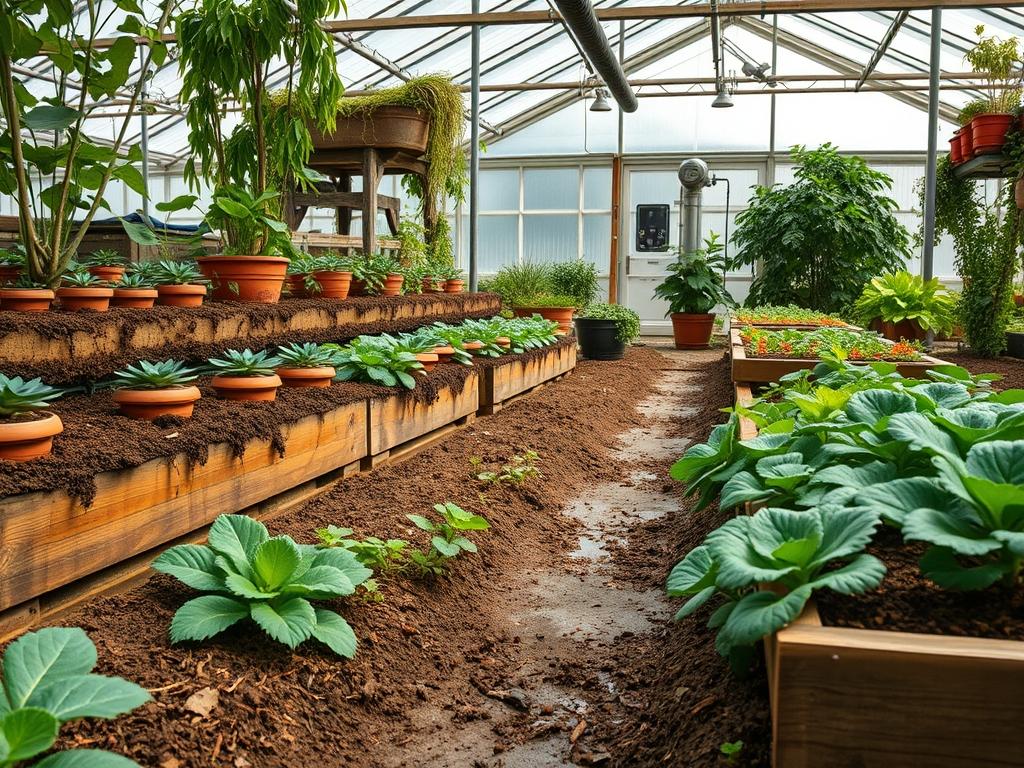
Integrating a productive vegetable garden into a high end residential landscape requires a delicate balance between outdoor functionality and aesthetic sophistication. While Kale provides striking architectural texture and deep hues of blue, purple, and emerald, its beauty is often compromised by the arrival of the small white butterfly. These insects deposit larvae that can quickly skeletonize a lush planting, ruining the curb appeal of your carefully curated garden beds. Effective landscape management involves more than just reactive measures; it requires a proactive design that incorporates Natural Cabbage Worm Cures to maintain horticultural integrity. By viewing the vegetable patch as a structural element of the broader environment, we can utilize biological controls and spatial planning to ensure these plants thrive without the need for harsh synthetic chemicals. Irrigation systems and drainage planes must be calibrated to support the high nutritional needs of Brassica oleracea while preventing the damp conditions that promote secondary fungal infections in pest damaged foliage.
Landscape Design Principles
In professional landscape architecture, we approach the vegetable garden as a potager, where symmetry and focal points take precedence. To mitigate the visual impact of cabbage worms, gardeners should avoid massive monocultures of a single variety. Instead, use a rhythmic planting pattern that intersperses kale with non host species. This fragmented layout confuses flying pests and prevents a total colony takeover. Elevation layers play a critical role here; by placing kale in the middle ground of a tiered bed, you can surround it with lower growing aromatic herbs like Thyme or Oregano. These serves as scent barriers that mask the chemical signals emitted by the kale.
Visual balance is achieved when the heavy, ruffled foliage of Curly Kale is offset by the fine textures of companion plants. Focal points, such as an ornate stone Birdbath or a decorative Obelisk, can draw the eye away from minor foliage damage while also providing landing spots for predatory birds. These birds are essential biological agents in your arsenal of Natural Cabbage Worm Cures. Walkways around the beds should be wide enough, perhaps 36 inches, to allow for easy inspection and manual removal of larvae without compacting the soil around the delicate root zones. Proper irrigation planning, specifically the use of Drip Lines, ensures that moisture is delivered directly to the root, keeping the leaves dry and less attractive to certain pests.
Plant and Material Selection
Selecting the right materials and plant varieties is the foundation of a resilient outdoor environment. The following table outlines the specifications for a kale based landscape design that prioritizes pest resilience and aesthetic longevity.
| Plant Type | Sun Exposure | Soil Needs | Water Demand | Growth Speed | Maintenance |
| :— | :— | :— | :— | :— | :— |
| Lacinato Kale | Full Sun | Loamy/Rich | Moderate | Medium | Moderate |
| Red Russian Kale | Full Sun/Part Shade | Well-Drained | Moderate | Fast | Low |
| Curly Blue Kale | Full Sun | High Nitrogen | Moderate | Medium | Moderate |
| French Marigold | Full Sun | Sandy/Loamy | Low | Fast | Low |
| Sweet Alyssum | Full Sun/Part Shade | Standard | Moderate | Fast | Medium |
| Sage (Salvia) | Full Sun | Gritty/Dry | Low | Moderate | Low |
Implementation Strategy
The successful execution of a pest resistant garden begins with site grading and soil preparation. Ensure the area has a 2 percent slope away from any hardscaping to prevent water pooling. Once the grade is established, define your garden borders with high quality edging such as Corten Steel or Pressure-Treated Timber. For the soil, integrate 3 inches of organic Compost into the top 8 inches of the bed. This provides the nutrient density required for kale to grow rapidly; fast growth is one of the best Natural Cabbage Worm Cures, as the plant can outpace the consumption rate of the larvae.
When laying out the plants, maintain a spacing of 18 inches to 24 inches between each kale specimen. This promotes airflow, which dries out the leaves quickly after rain or dew, making them less hospitable for egg laying. For an immediate physical barrier, install Hoop Houses made of PVC pipe or Galvanized Wire. Drape these with Floating Row Covers made of lightweight Polypropylene Mesh. This creates a physical exclusion zone that prevents the white butterfly from ever reaching the leaves. If you prefer a more open look, apply a 2 inch layer of Cedar Bark Mulch around the base of the plants to regulate soil temperature and discourage various ground dwelling insects.
Common Landscaping Failures
One of the most frequent mistakes in residential garden design is the over-application of nitrogen rich fertilizers. While kale loves nitrogen, an excess creates soft, succulent growth that acts as a magnet for cabbage worms and aphids. Instead, use slow release organic amendments that build plant cell wall strength over time. Another common failure is improper drainage. If a site suffers from soil compaction, the roots cannot breathe, leading to a stressed plant that emits distress signals. These signals are picked up by pests from a significant distance.
Furthermore, many homeowners neglect the “root overcrowding” issue. When plants are squeezed together for an immediate full look, they compete for resources and lose their natural defenses. Irrigation inefficiencies, such as overhead spraying, should also be avoided. Wet foliage at night is a catalyst for disease and provides a moist environment for larvae to thrive. Finally, failing to remove spent plant material at the end of the season can lead to pests overwintering in the soil or Mulch, ensuring a repeat infestation the following spring.
Seasonal Maintenance
Landscape management is a year round commitment that changes with the solar cycle. In the spring, the focus should be on prevention. Install your Row Covers early, even before you see the first butterfly. Monitor the soil temperature and ensure your Drip Irrigation system is pressurized and free of leaks. This is also the time to release beneficial insects like Trichogramma Wasps, which act as highly effective Natural Cabbage Worm Cures by parasitizing the eggs before they even hatch.
During the summer months, active scouting becomes necessary. Check the undersides of the kale leaves twice a week for small, yellow, bullet shaped eggs. If larvae appear, apply Bacillus thuringiensis (Bt), a naturally occurring soil bacterium that is harmless to humans and pets but lethal to caterpillars. Use a Handheld Pressure Sprayer to ensure thorough coverage of both the tops and bottoms of the leaves. In autumn, as the weather cools, kale actually becomes sweeter and more resilient, but you must remain vigilant for late season hatches. Clear away any fallen leaves or debris that could harbor cocoons. Winter maintenance involves deep mulching and perhaps the use of Cold Frames to extend the harvest. During this dormant period, rotate your crops in your planning software to ensure that Brassicas are not planted in the same spot next year.
Professional Landscaping FAQ
What are the most effective Natural Cabbage Worm Cures for a large estate?
The most effective approach is a combination of Floating Row Covers for physical exclusion and the application of Bt (Bacillus thuringiensis). Integrating companion plants like Thyme and Dill also attracts predatory insects that naturally manage the population.
How does irrigation influence cabbage worm infestations?
Overhead watering leaves foliage damp, which can weaken the plant’s cuticle and make it more susceptible to damage. Using Drip Irrigation keeps the leaves dry and the plant hydrated, reducing the stress signals that attract cabbage butterflies to the garden.
Can I use mulch to help control cabbage worms?
While Mulch does not directly kill worms, it maintains consistent soil moisture and temperature. A healthy, unstressed kale plant has a stronger natural resistance to pests. Use Straw or Reflective Plastic Mulch to confuse flying insects and improve plant vigor.
Will birds help remove worms from my kale?
Yes, birds are excellent natural predators. By incorporating a Birdbath or Nesting Boxes into your landscape design, you encourage species like wrens and chickadees to forage in your garden. They will actively hunt and remove cabbage worms from your kale.
Is it necessary to remove eggs by hand?
Hand removal is a highly effective, low cost strategy for small to medium landscapes. Wiping the undersides of leaves to crush the yellow eggs prevents the larvae from hatching. This manual intervention is a core component of sustainable, chemical free garden maintenance.