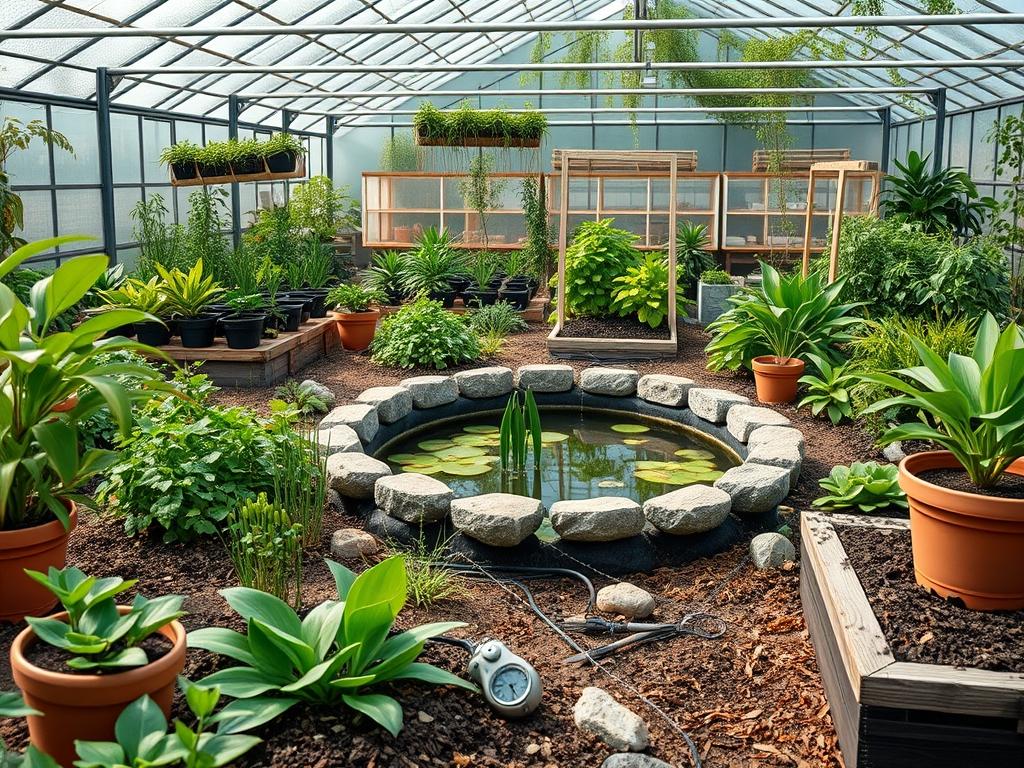
Incorporating a pond into a residential or commercial landscape represents one of the most significant architectural shifts an outdoor environment can undergo. When we discuss designing wildlife ponds, we are not merely talking about aesthetics or water features; we are discussing the creation of a functional, self-sustaining ecosystem that bridges the gap between structured human living and the chaotic beauty of the natural world. The inclusion of sloped edges is perhaps the most critical technical specification in this process. Unlike steep-walled ornamental basins, a sloped edge provides a gradual transition zone, often referred to as a “beach,” which allows local fauna to access water safely. From a landscaping perspective, this design choice improves curb appeal by softening the transition between the hardscaping of a patio or deck and the softer, organic textures of the garden. Climate considerations play a major role here, as the pond must be deep enough to provide a frost-free refuge in winter while maintaining enough surface area to stay oxygenated during the heat of summer. Achieving this balance requires careful topographical planning and a deep understanding of hydrological movement within the site.
Landscape Design Principles
Effective pond design relies on the core principles of focal points and elevation layers. When I approach a new site, I look for how the water body will interact with existing sightlines from the primary residence. A well-placed wildlife pond should act as a visual anchor, drawing the eye across the landscape toward a reflection point. Using a 1:3 ratio for slopes, which means for every 1 foot of vertical drop there are 3 feet of horizontal run, is a standard benchmark for ensuring stability and safety. This gradual incline prevents liner slippage and allows for the layering of various substrates, such as river rock and pea gravel, which help to stabilize the bank.
Elevation changes are equally vital. By utilizing the soil excavated from the pond to create small berms or raised planting beds nearby, you create a sense of enclosure and privacy. This vertical height helps to block wind, which reduces evaporation rates and protects delicate marginal plants. Symmetry is often avoided in wildlife-centric designs; instead, we aim for asymmetrical balance. This might involve placing a large granite boulder on one side of the pond to provide a basking spot for amphibians, balanced by a dense thicket of Cornus alba (Red-twig Dogwood) on the opposite side. Irrigation planning must also be integrated at this stage. While the pond is its own water source, the surrounding terrestrial plants may require a drip irrigation system to ensure they establish quickly and provide the necessary shade to keep water temperatures stable.
Plant and Material Selection
The following table outlines the essential flora and materials required to establish a balanced aquatic environment. Choosing the right species is not just about color; it is about finding plants that provide filtration, habitat, and structural integrity to the sloped banks.
| Plant Type | Sun Exposure | Soil Needs | Water Demand | Growth Speed | Maintenance Level |
| :— | :— | :— | :— | :— | :— |
| Marsh Marigold | Full Sun | Rich Loam | High | Moderate | Low |
| Water Lily | Full Sun | Aquatic Compost | Very High | Moderate | Medium |
| Hornwort | Partial Shade | N/A (Floating) | Very High | Fast | Low |
| Pickerel Weed | Full Sun | Muddy Substrate | High | Moderate | Low |
| Creeping Jenny | Partial Sun | Moist Clay | Medium | Fast | High |
| Soft Rush | Full Sun | Heavy Clay | High | Fast | Low |
| Water Iris | Full Sun | Nutrient Rich | High | Moderate | Medium |
For structural materials, the choice of liner is paramount. I typically recommend a 45-mil EPDM rubber liner due to its flexibility and resistance to UV degradation. Underneath this, a geotextile underlayment is necessary to protect the rubber from punctures caused by stones or roots. To finish the sloped edges, use washed river stone in varying sizes, ranging from 1 inch to 5 inches in diameter, which provides a natural look while hiding the liner from view.
Implementation Strategy
The construction process begins with a meticulous layout. I suggest using a flexible garden hose or marking paint to outline the pond’s footprint. Once the shape is finalized, the excavation proceeds in stages. Start by digging the deepest central zone, which should reach at least 30 inches to 3 feet in most temperate climates. This depth protects fish and aquatic insects from freezing. After the center is cleared, begin carving out the shelves. These shelves should be flat and roughly 12 inches wide to hold planting baskets. The sloped edge, however, should be a continuous incline from the shallowest shelf to the surrounding ground level.
Once the hole is dug, use a laser level or a long 2×4 board with a spirit level to ensure the entire perimeter is perfectly even. If one side is lower than the rest, water will spill out before the pond is full. After leveling, clear any sharp debris and lay down the underlayment. Drape the EPDM liner loosely over the hole, letting it settle into the contours. As the pond fills with a high-volume hose, the weight of the water will pull the liner into place. Once the water level reaches the first shelf, start placing your large boulders and rock layers. This prevents the liner from stretching too much under the weight. Finally, trim the excess liner, leaving at least 12 inches of overlap, and bury it under a sand and mulch layer or secure it behind a small stone retaining wall.
Common Landscaping Failures
The most frequent mistake in pond construction is the failure to plan for drainage. Without a designated overflow point, heavy rains can cause the pond to burst its banks, eroding the surrounding landscape and potentially flooding nearby structures. I always install a 4-inch perforated PVC pipe wrapped in a filter sock at the highest water line, leading to a French drain or a dry well.
Another common issue is root overcrowding and the use of aggressive species. If you plant something like Common Reed without a container, it will quickly puncture the liner and dominate the entire pond. Furthermore, soil compaction during the digging process often leads to poor drainage in the surrounding terrestrial beds. Using a garden fork to aerate the soil around the pond before applying 3 inches of organic mulch can mitigate this. Finally, irrigation inefficiencies occur when homeowners rely on the pond’s water level alone to hydrate the surrounding “riparian” zone. In reality, the liner prevents water from seeping into the surrounding soil, meaning your terrestrial plants still require a dedicated water source until they are fully established.
Seasonal Maintenance
Landscape management is a year-round commitment. In the spring, the focus is on clearing the “winter sludge.” Use a pond net to remove fallen leaves and debris that have settled on the bottom to prevent an ammonia spike. This is also the time to divide and replant Water Iris and other marginal plants using aquatic pruning shears.
Throughout the summer, your main goal is managing evaporation and algae. Maintain water levels to ensure the sloped edges remain submerged, as exposed liners can become brittle in the sun. If algae blooms occur, adding more Oxygenating plants like Hornwort will help compete for nutrients. Autumn requires the most vigilance; as deciduous trees drop their leaves, a fine mesh net should be stretched over the surface. If organic matter decomposes in the water, it depletes oxygen. During winter, if the pond freezes over, do not smash the ice, as the shockwaves can kill hibernating wildlife. Instead, use a pond de-icer or a small aerator to keep a small hole open for gas exchange.
Professional Landscaping FAQ
What is the ideal slope for a wildlife pond?
A 1:3 ratio is recommended. This translates to a 20-degree incline, allowing animals to enter and exit safely without slipping. This angle also ensures that river rocks stay in place on the liner without sliding to the bottom.
How do I prevent my pond from becoming a mosquito breeding ground?
Maintain water movement using a small solar pump or aerator. Additionally, encouraging natural predators like dragonflies and frogs will keep larvae populations under control. Healthy, moving water is rarely a hospitable environment for mosquito reproduction.
Do I need a filtration system for a wildlife pond?
In a well-designed pond with sufficient Oxygenating plants, a mechanical filter is often unnecessary. The plants and beneficial bacteria in the pea gravel act as a biological filter, processing nutrients and keeping the water clear naturally.
Can I use tap water to fill my pond?
Tap water often contains chlorine or chloramine, which is harmful to aquatic life. If using tap water, treat it with a de-chlorinator or let it sit for 48 hours before adding plants or wildlife to allow the chemicals to dissipate.
How deep should the “shallow end” of a sloped edge be?
The “beach” area should start at 0 inches and gradually reach a depth of 6 inches over several feet. This shallow zone is vital for birds to bathe and for insects to drink without the risk of drowning.