
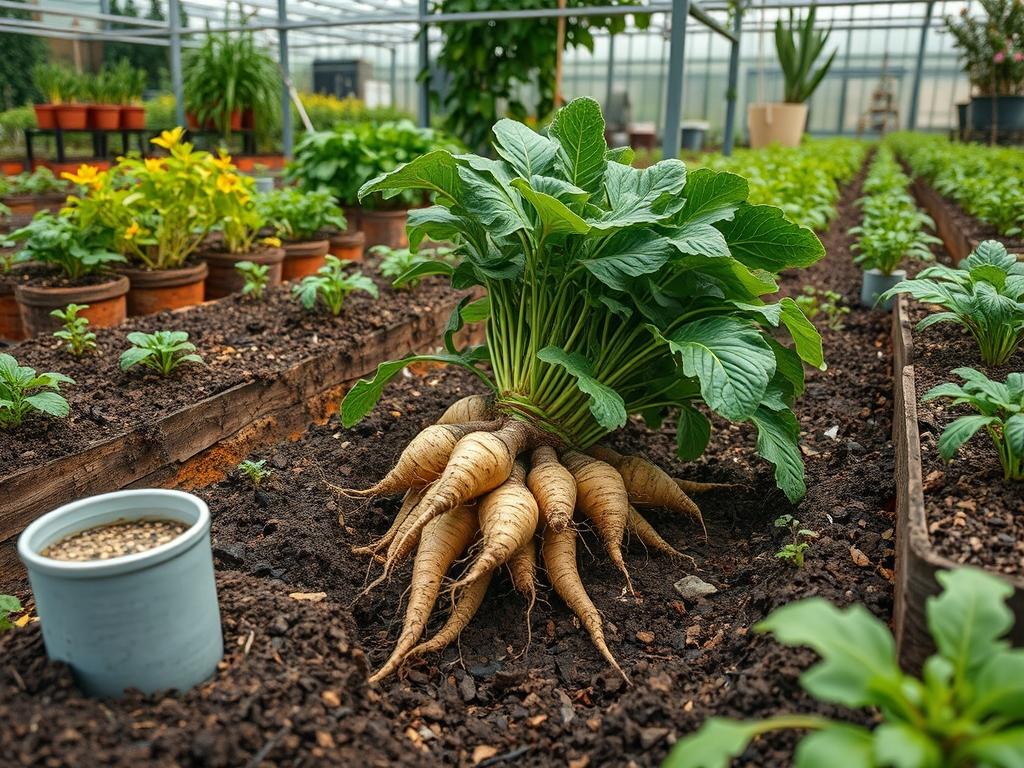
The traditional suburban landscape is undergoing a silent but significant transformation as homeowners and developers prioritize ecological resilience alongside aesthetic appeal. For decades, the professional standard relied heavily on non-functional turf and high-maintenance ornamental exotics that offered little besides a static green backdrop. However, the modern outdoor environment consultant now looks toward the soil for the next great design shift. Incorporating Native Edible Roots into a master plan provides a unique opportunity to address pressing climate considerations while enhancing the long-term value of a property. These plants provide a dual-purpose benefit. They anchor the soil against erosion during extreme weather events and offer a sustainable food source that requires far fewer inputs than a traditional vegetable garden. When we design for curb appeal, the focus is often on the bloom or the foliage, but the structural integrity of these native species allows for a landscape that looks intentional and stays healthy throughout the changing seasons. Success in this area relies on understanding how these subterranean assets interact with elevation, pedestrian flow, and the local water table.
Landscape Design Principles
Planning a landscape with Native Edible Roots requires a departure from the “row crop” mentality of traditional agriculture. Instead, we apply the principles of symmetry and focal points to integrate these species into a formal or naturalistic design. For instance, Sunchokes (Helianthus tuberosus) can reach heights of eight to ten feet, making them an ideal choice for creating privacy screens or vertical focal points at the rear of a perennial border. Their bright yellow blooms provide late summer color, while their aggressive root systems stabilize slopes. When designing these spaces, we must consider elevation layers. Taller species belong in the background, while lower-growing roots like Spring Beauty (Claytonia) or Camas (Camassia) function as early-season groundcovers in the foreground.
Visual balance is achieved by pairing the wilder habit of native plants with the clean lines of hardscaping. Use bluestone pavers or decomposed granite walkways to delineate harvesting zones from purely ornamental areas. This ensures that the landscape remains organized and intentional even during the dormant winter months. Irrigation planning is also critical. Grouping plants into specific hydro-zones based on their water requirements prevents the over-saturation of root systems, which can lead to rot in species adapted to well-drained upland soils. By creating a gradient of moisture levels across the property, a designer can accommodate both the moisture-loving Wapato (Sagittaria latifolia) near a water feature and the drought-tolerant Prairie Turnip (Psoralea esculenta) on a sunny knoll.
Plant and Material Selection
Selecting the right plant material is the foundation of any successful landscape project. For native roots, we prioritize species that provide both architectural interest and high yields. The following table outlines the requirements for several key species intended for professional landscape integration.
| Plant Type | Sun Exposure | Soil Needs | Water Demand | Growth Speed | Maintenance Level |
| :— | :— | :— | :— | :— | :— |
| Sunchokes | Full Sun | Loamy/Sandy | Moderate | Very Fast | Low |
| Groundnut (Apios) | Part Shade | Rich/Moist | High | Medium | Medium |
| Camas | Full to Part Sun | Clay/Heavy Loam | Moderate | Slow | Low |
| Wapato | Full Sun | Saturated/Bog | Very High | Fast | High |
| Hog Peanut | Shade/Part Sun | Woods Soil/Leaf Mold | Moderate | Fast | Medium |
| Breadroot | Full Sun | Rocky/Well-Drained | Low | Slow | Low |
In addition to the plants themselves, the materials used for the “invisible infrastructure” are equally important. Utilizing a high-quality geotextile fabric beneath hardscaping prevents weed intrusion without compromising drainage. For mulching, we recommend a triple-shredded hardwood mulch or a leaf mold compost. These materials break down slowly, adding essential organic matter to the soil horizon which supports the vigorous development of taproots and tubers.
Implementation Strategy
The transition from a blueprint to a thriving garden begins with a rigorous site preparation strategy. Grading is the first and most crucial step. A senior architect must ensure that the site slopes away from the residence at a minimum of two percent grade to protect the foundation, while simultaneously creating micro-depressions or swales to capture runoff for thirstier native species. Before any planting occurs, soil testing should be conducted to determine the pH and nutrient density. Most native roots thrive in a slightly acidic to neutral soil, but they are far more forgiving than hybridized garden vegetables.
Once the grading is finalized, use steel edging or stacked stone to define the beds. This provides a crisp boundary that prevents vigorous spreaders like Groundnut from encroaching on manicured lawn areas. When installing the plants, pay close attention to spacing. It is a common mistake to plant too densely for immediate impact. However, native roots need room to expand horizontally. Use a hand auger or trowel to set plants at their required depths, ensuring that the crown of the plant is level with the soil surface. After planting, apply a three inch layer of mulch. This layer regulates soil temperature and retains moisture, which is vital during the first year of establishment. If the design includes climbing varieties, install powder-coated steel trellises or cedar obelisks early to avoid disturbing the root zone later in the season.
Common Landscaping Failures
The most frequent failure in native root gardening is a misunderstanding of drainage. While some species like Arrowhead thrive in standing water, others will succumb to fungal pathogens if the soil remains waterlogged for more than forty-eight hours. Improper grading often leads to “bathtubbing,” where water pools in a hole dug into heavy clay soil, effectively drowning the plant. Another significant issue is soil compaction. In high-traffic areas, the weight of foot traffic or heavy machinery compresses the pore spaces in the soil, preventing air and water from reaching the roots. This results in stunted growth and woody, inedible tubers.
Root overcrowding is also a concern for the long-term health of the garden. Many native edible species are prolific. Without regular thinning or the use of physical root barriers, a single Sunchoke colony can overwhelm a mixed perennial bed within three seasons. Irrigation inefficiencies, such as using overhead sprays that promote foliar diseases, should be replaced with drip irrigation systems. These systems deliver water directly to the base of the plant, reducing evaporation and ensuring the moisture reaches the depth required for large root development.
Seasonal Maintenance
A professional maintenance schedule is essential for keeping a functional landscape looking its best. In the spring, the focus is on clearing debris and monitoring drainage. As the ground thaws, check for frost heaving which may have exposed the crowns of younger plants. This is also the time to apply a thin layer of organic compost to provide a slow-release nutrient boost for the growing season.
During the summer, the primary task is water management. Even drought-tolerant natives require supplemental irrigation during the “establishment phase” of the first two years. Weeding must be done by hand to avoid damaging the shallow root systems of some edible species. By the autumn, the aesthetic of the garden shifts toward harvest. This is the optimal time to dig for tubers, as the plant has stored its energy for the winter. Harvesting actually serves as a form of maintenance by thinning the population and aerating the soil. In the winter, leave the dried stalks of taller species like Sunchokes to provide winter interest and habitat for beneficial insects. A final application of mulch in late November will protect the dormant roots from extreme temperature fluctuations.
Professional Landscaping FAQ
Can native edible roots replace a traditional lawn?
Yes, low-growing species like Spring Beauty can be integrated into a “no-mow” wildflower lawn. However, they require different foot-traffic management. Use designated paths to prevent soil compaction, as heavy treading will damage the tubers and limit their seasonal regrowth.
Do these plants require specialized fertilizers?
Generally, no. Native species are adapted to local soil conditions and rarely need synthetic fertilizers. High-quality leaf mold or aged manure applied annually is usually sufficient to maintain soil health and support the vigorous development of edible roots and tubers.
How do I prevent native roots from becoming invasive?
Use subterranean barriers such as polyethylene root barriers buried eighteen inches deep. This is particularly effective for aggressive spreaders like Groundnut. Regular harvesting also acts as a natural population control, ensuring that the roots do not crowd out neighboring ornamental plants.
Are these gardens safe for households with pets?
While many native roots are edible for humans, some can be irritating to pets if consumed raw. We recommend researching specific species like Camas, as the edible variety looks nearly identical to the toxic Death Camas when not in bloom. High-visibility labeling is essential.
How long does it take for a root garden to yield?
Establishment times vary significantly. Faster species like Sunchokes can be harvested within their first year of planting. Slower-growing perennials like Camas or Breadroot may require three to five years before the root is large enough for a sustainable and substantial harvest.